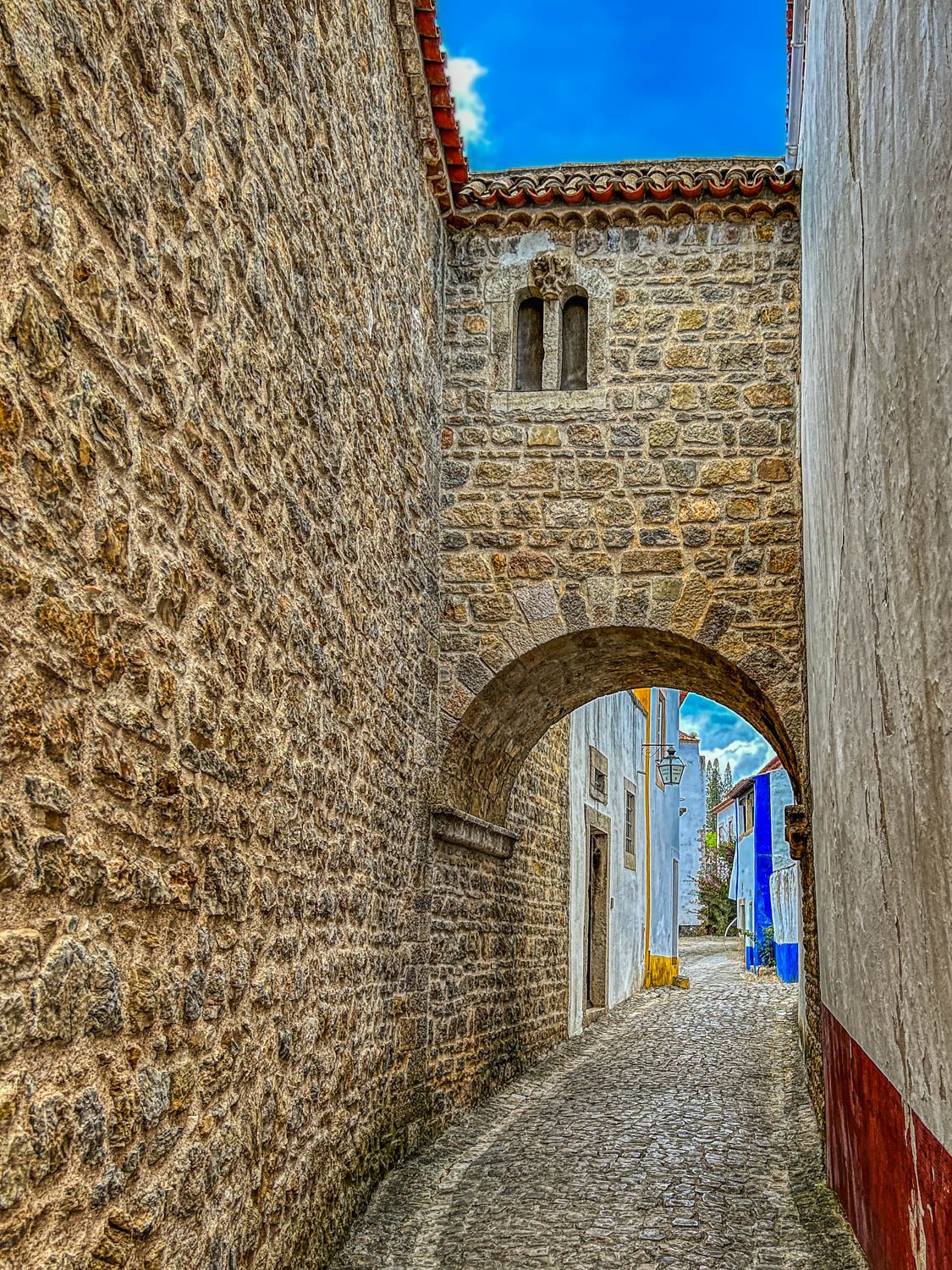
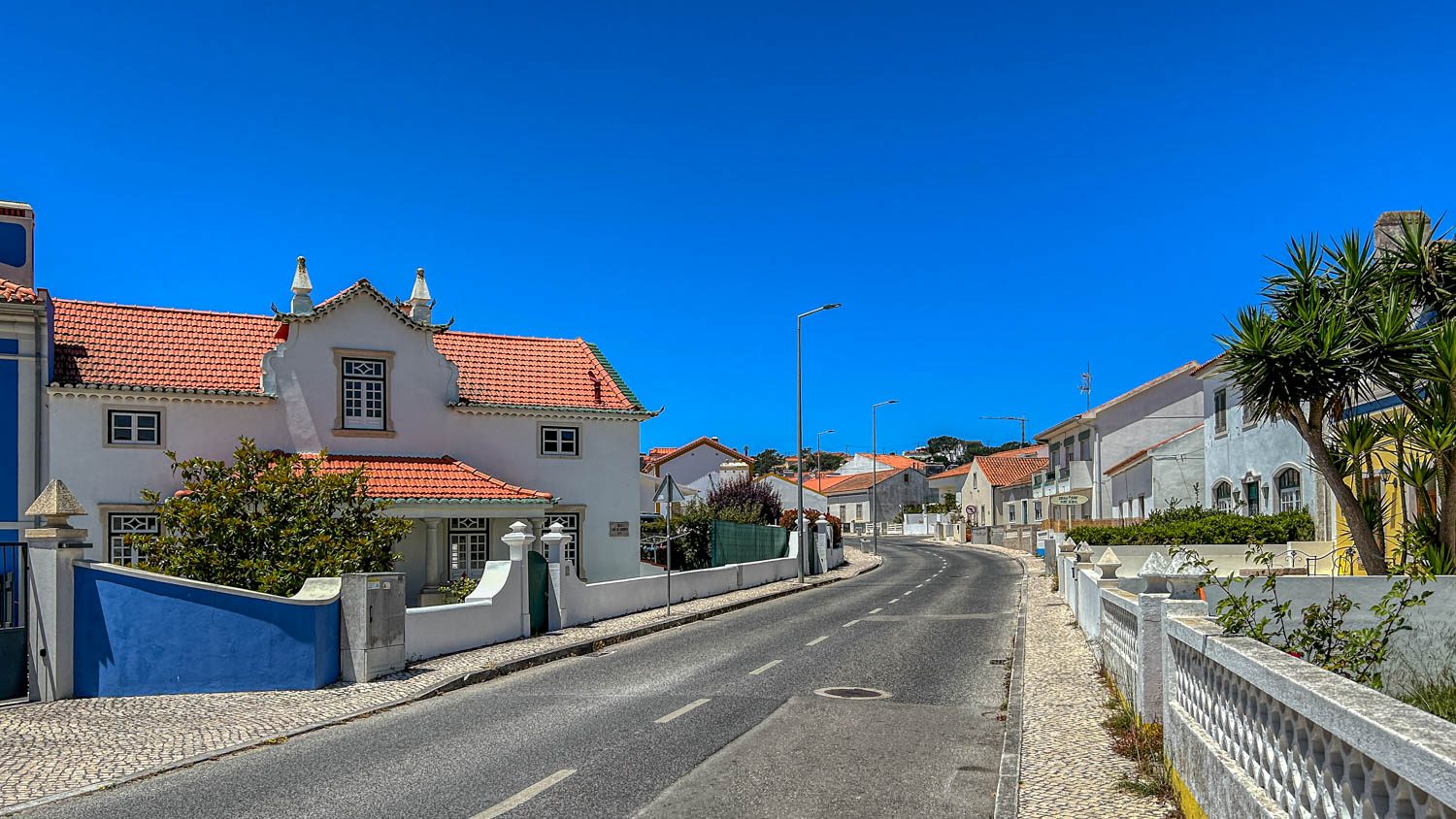
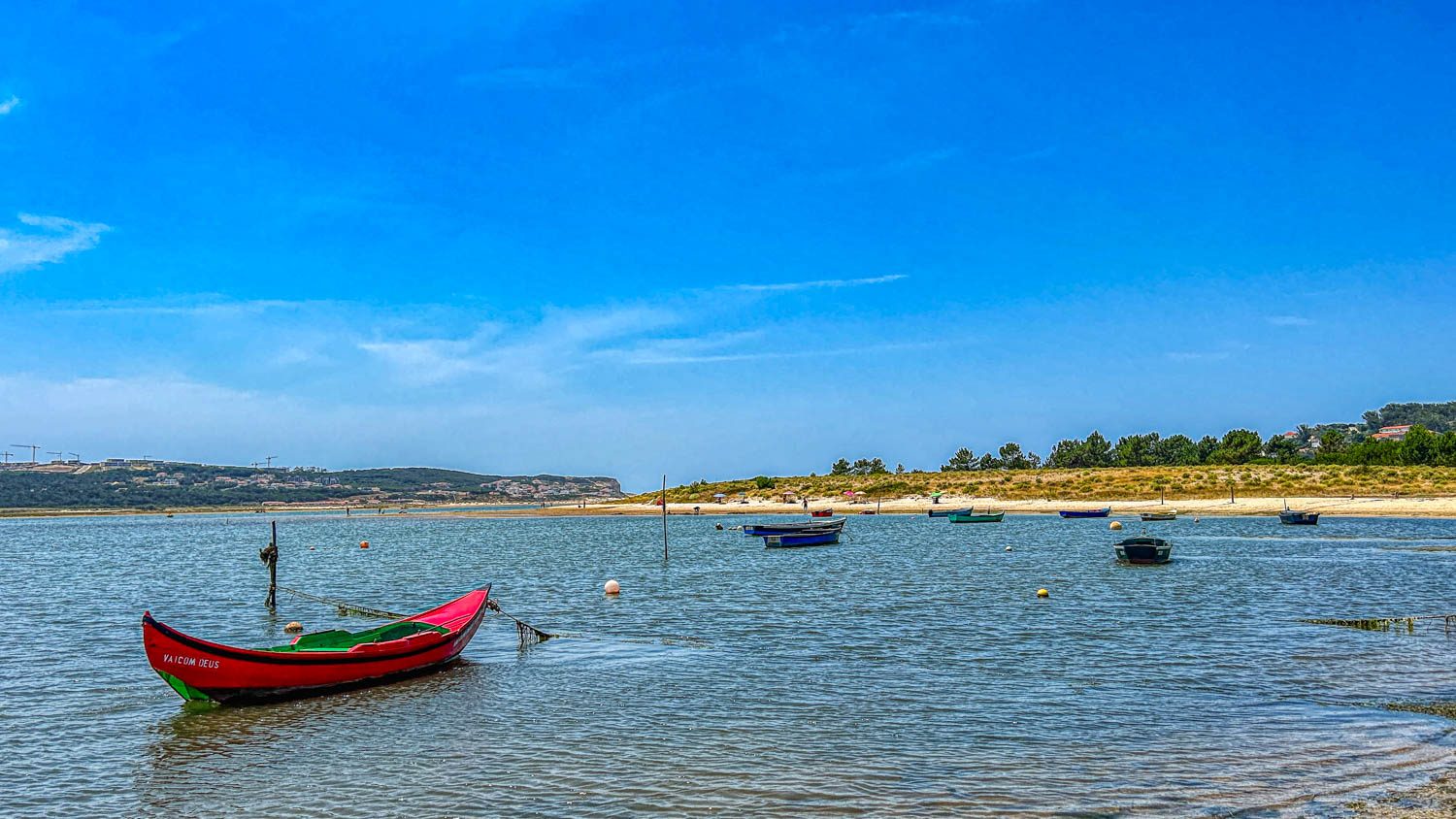
Foz do Arelho is a Portuguese village, 8 km west of Caldas da Rainha and 100 km from Lisboa. It's a small place, with fewer than 2,000 inhabitants, but because it has both an ocean beach and a lagoon beach, it's a very attractive destination for weekend tourists. And how did I end up here? Well, a generous friend of mine has a house in Foz do Arelho and let me occupy it for a while.
"Foz" means "mouth" (of a river or, in this case, of a lagoon). "Arelho" is an old word for "a place full of sand" (from the Latin "areniculum"). Foz do Arelho has this name because it's on a sandy area by the Lagoa de Óbidos, the largest lagoon in Portugal (about 7 square kilometers).
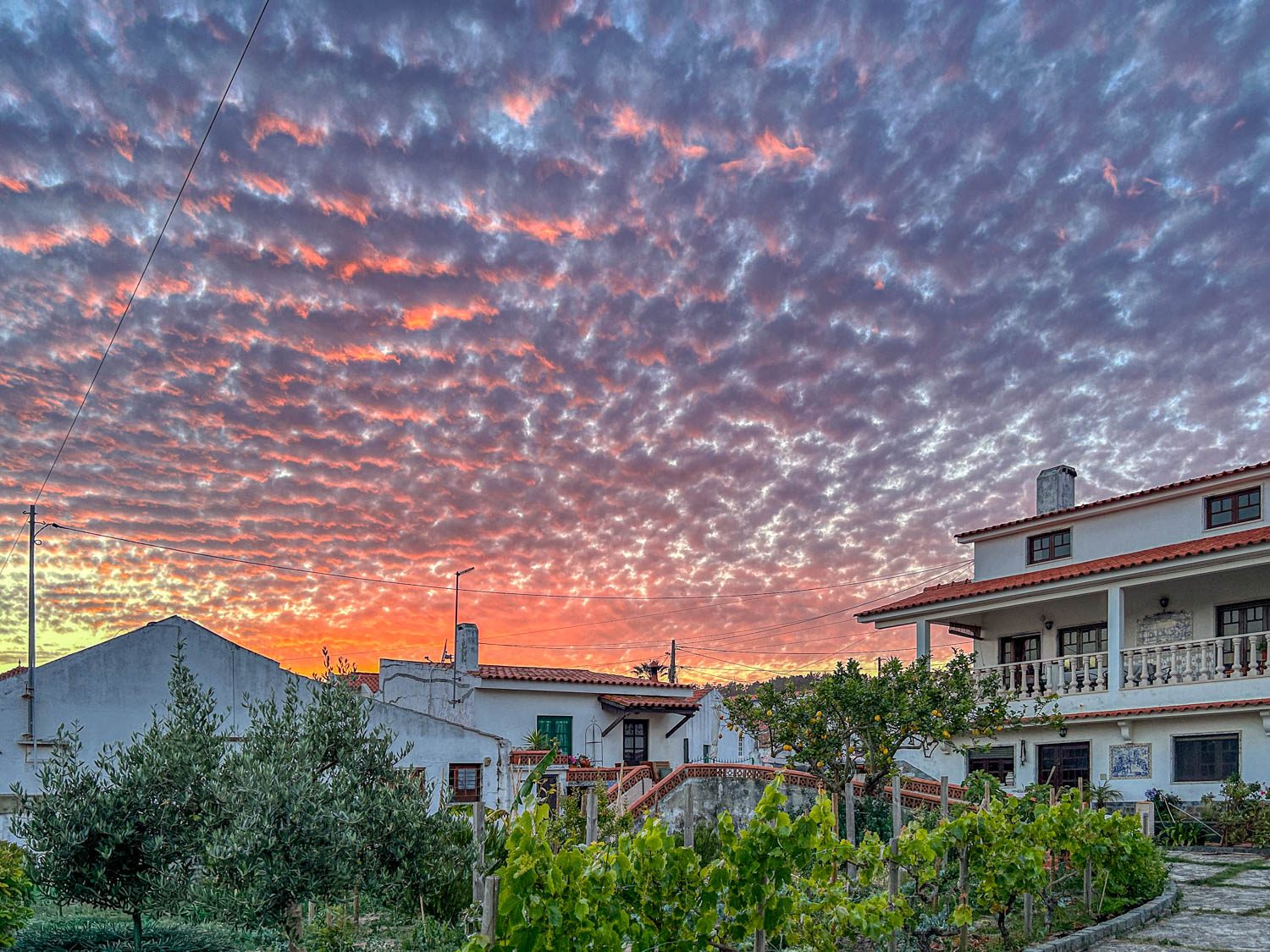
The protagonist this month was my left foot. My ankle hasn't fully healed since I twisted it in Vicenza, and I've been walking very slowly, with a limp and some pain. I bought a cane, to help with support and stability, and named it Greg, as an homage to Doctor Gregory House. Fortunately, there's not much to do in Foz do Arelho and I've spent most of my time here just relaxing and resting my foot, watching movies and FIFA World Cup games on the computer, and reading Pushkin and Dostoevsky. A few times, I felt more adventurous and went for a very slow walk alongside the beach, pondering how the fast Achilles cannot overtake a sluggish tortoise (it's one of Zeno's paradoxes, if you don't already know about it, just take a look at Wikipedia).
And the food?
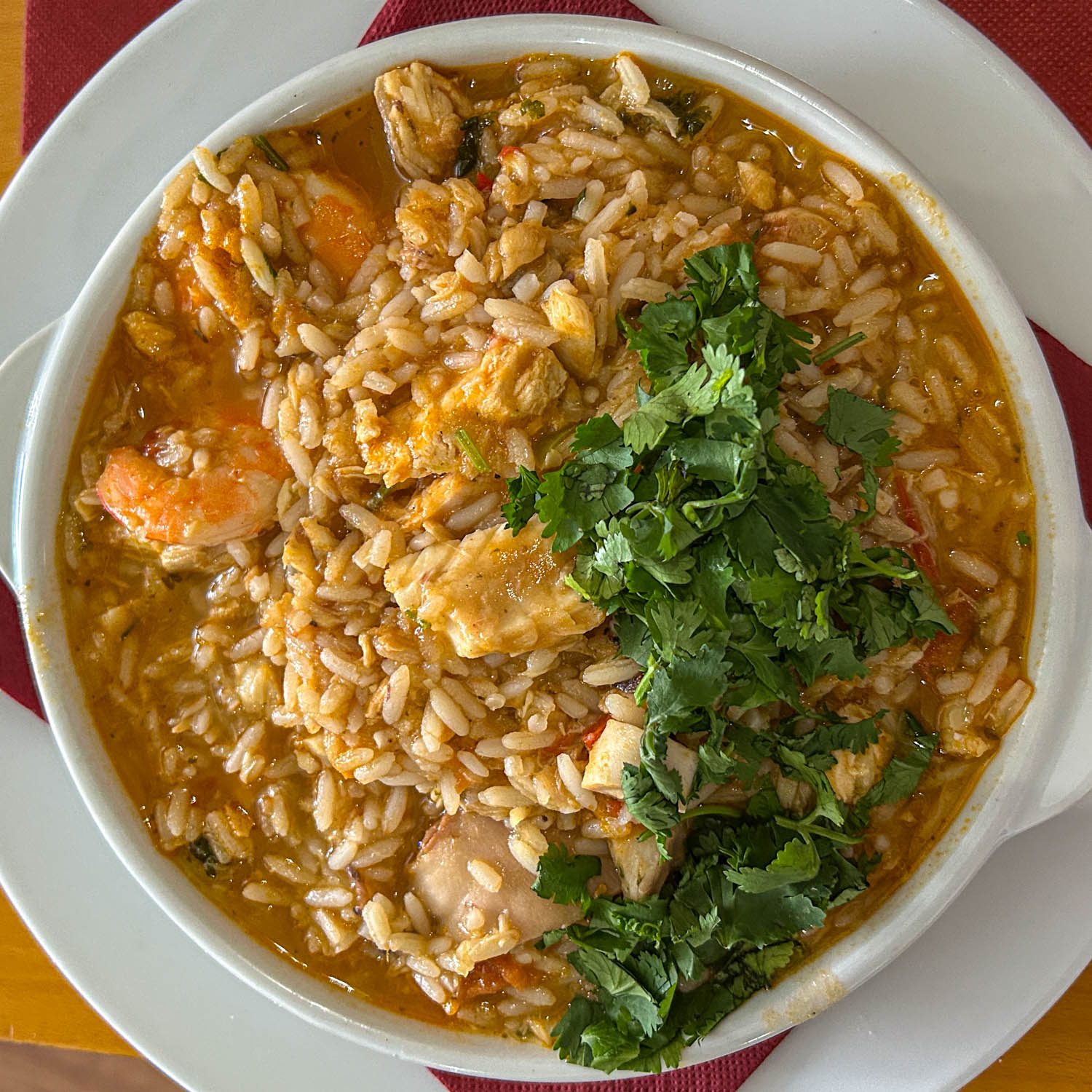
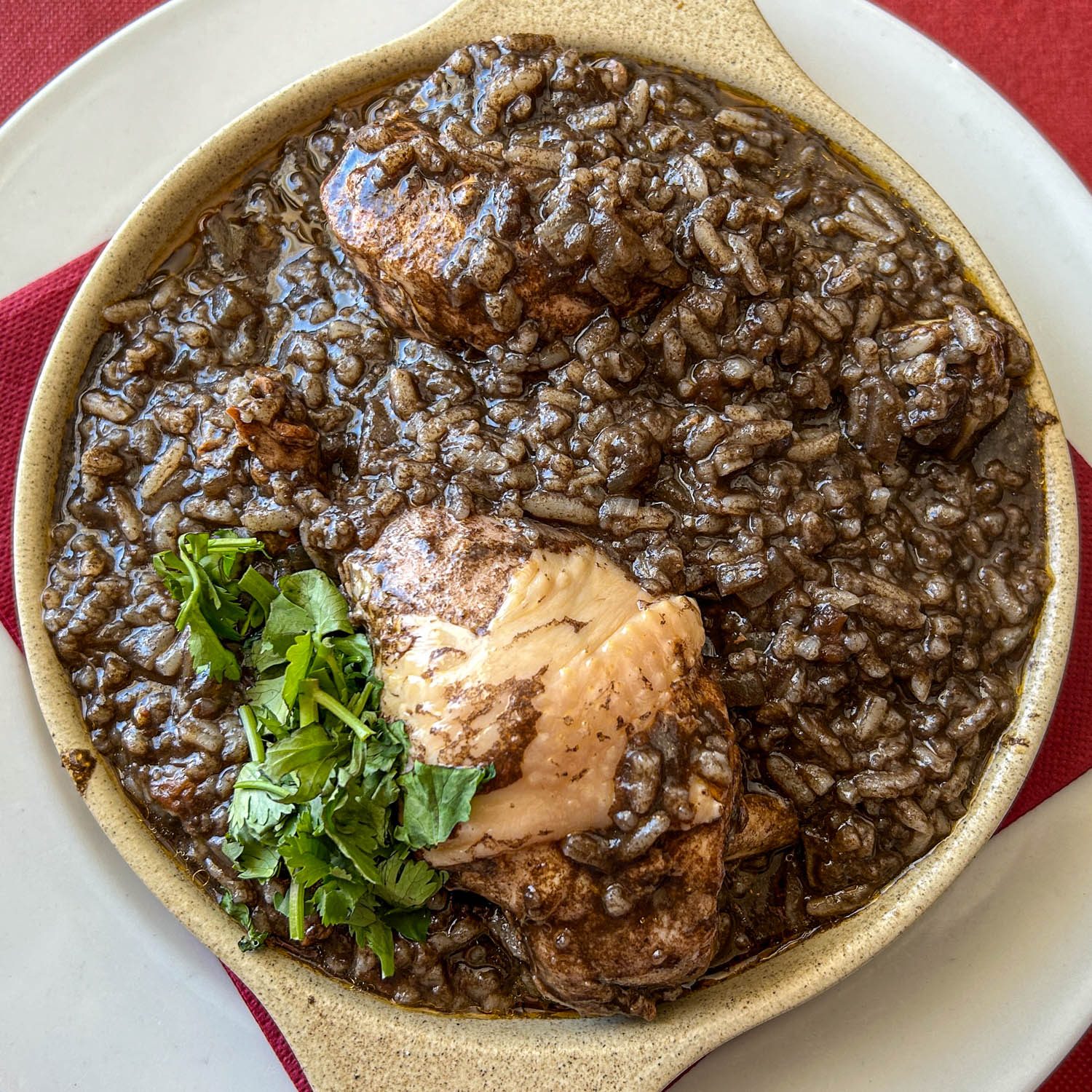
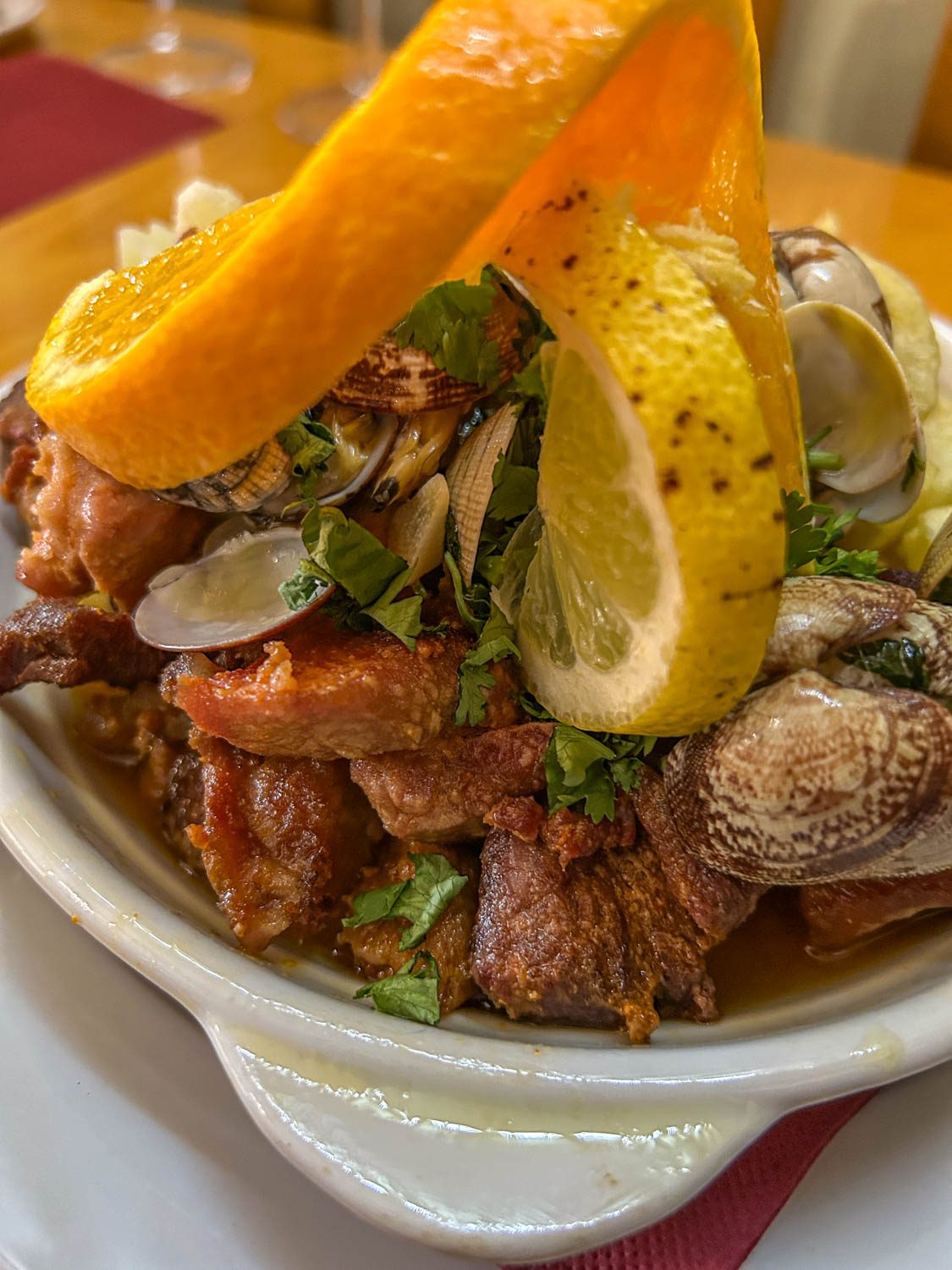
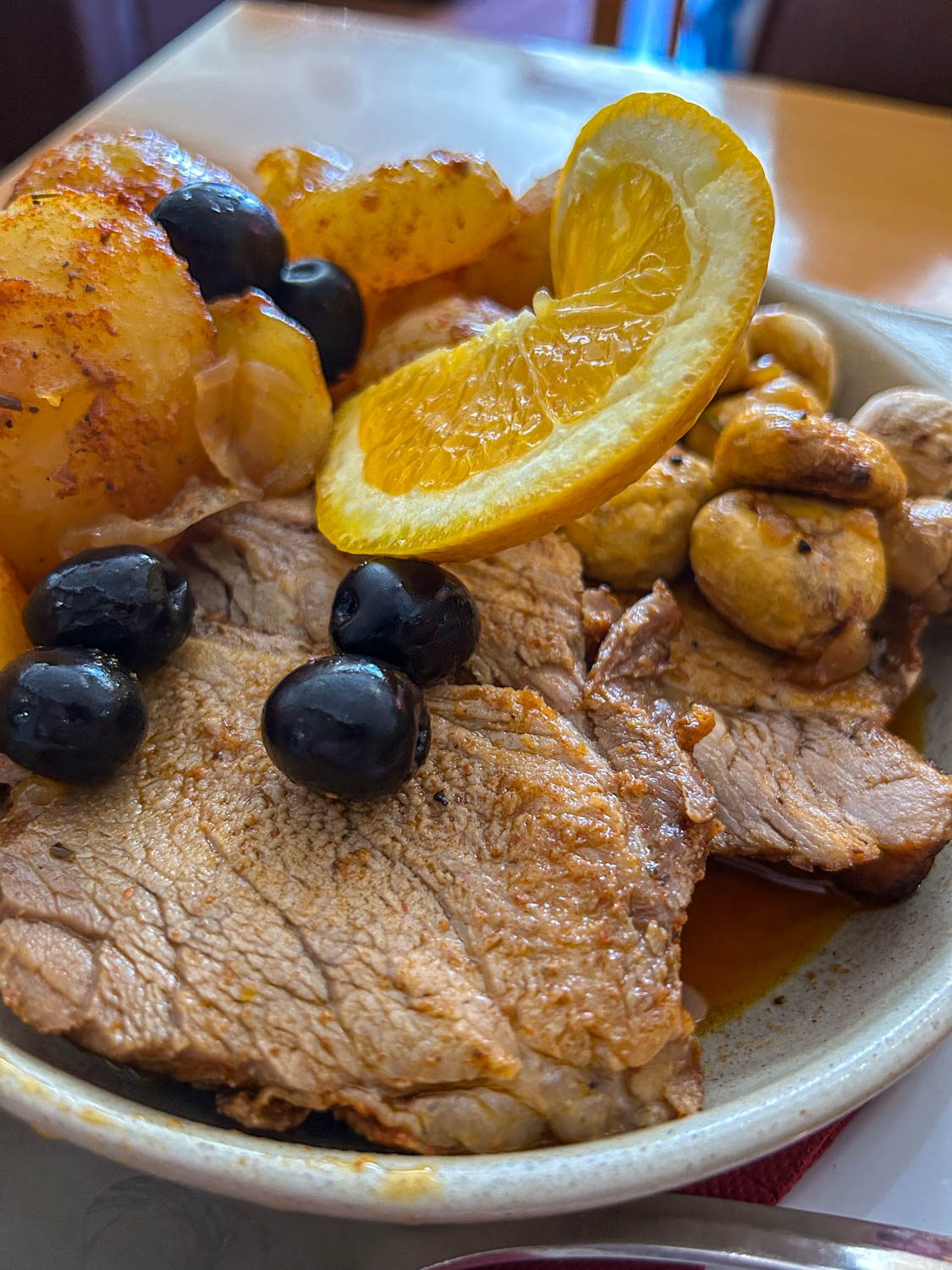
It's good to be back to Portuguese gastronomy and eat some of my favorite local dishes. I've had bacalhau com natas (cod with cream sauce), arroz de pato (duck risotto), arroz do mar (seafood risotto), carne de porco à alentejana (roasted pork with clams in a white wine and cilantro sauce), lombo assado com castanhas (roasted pork with chestnuts), cabidela de frango (chicken risotto with the chicken blood added to the mix with a little vineger), among other great meals.
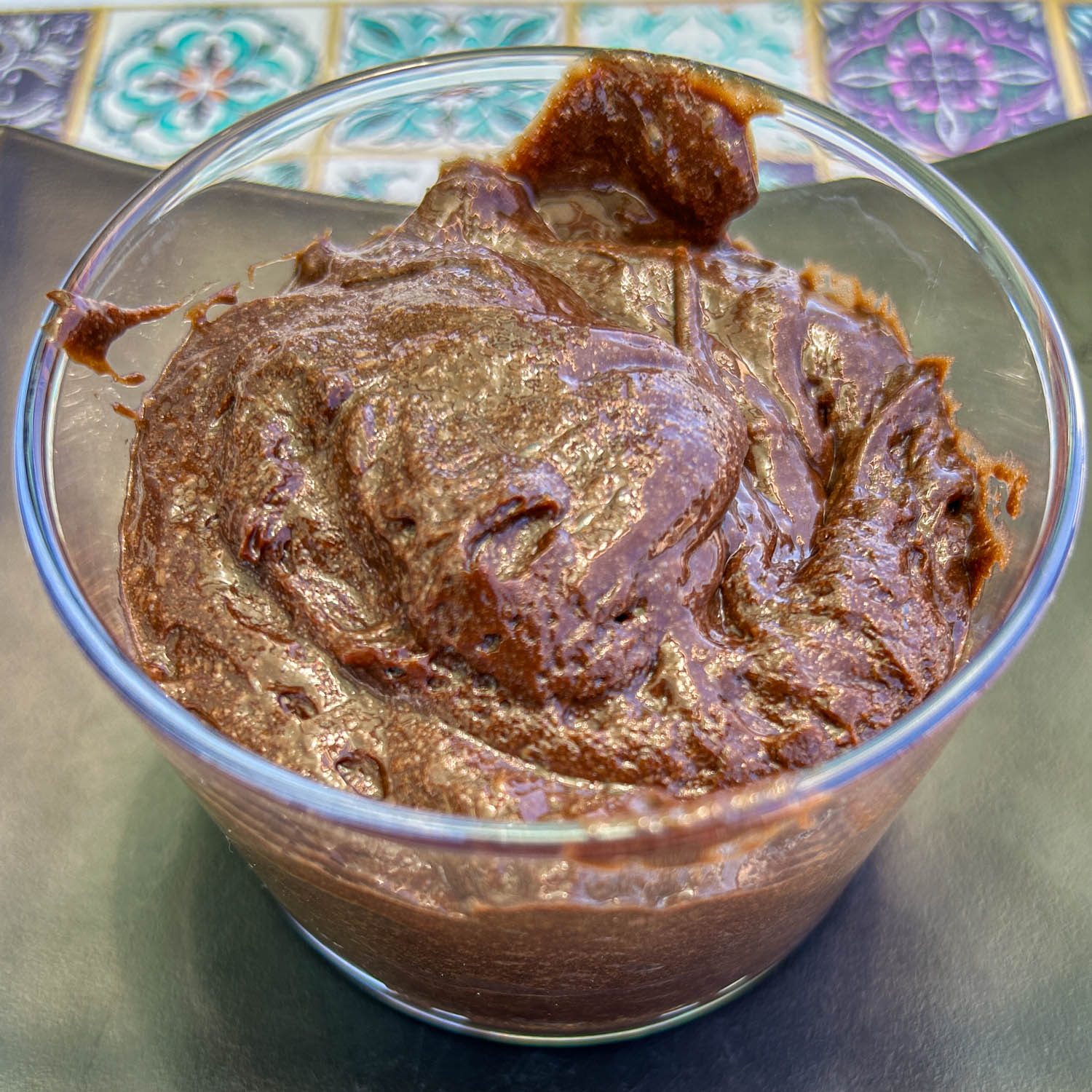
The Portuguese chocolate mousse deserves its own paragraph, because it's different from other mousses. Instead of the French-style, airy foam copied around the world, it has a dense, velvety texture with a fudgy consistency. Sometimes they also add a little splash of olive oil and a pinch of sea salt to the mix. It's fantastic.
Another interesting Portuguese chocolate dessert is the salame de chocolate (chocolate salami). It mixes melted chocolate, butter, sugar, cocoa powder, crushed tea biscuits, almonds, and a splash of Port wine, all rolled into a sausage shape and then chilled.
And yes, I also kept a bottle of tawny Port wine for night libations.
Any side trips?
Caldas da Rainha was founded in the 15th century by Queen Leonor, who established a thermal hospital around the therapeutic hot spring (hence the name, literally Queen's Hot Springs). It's fifteen minutes by bus from Foz do Arelho, and a much larger place (over 50,000 people).
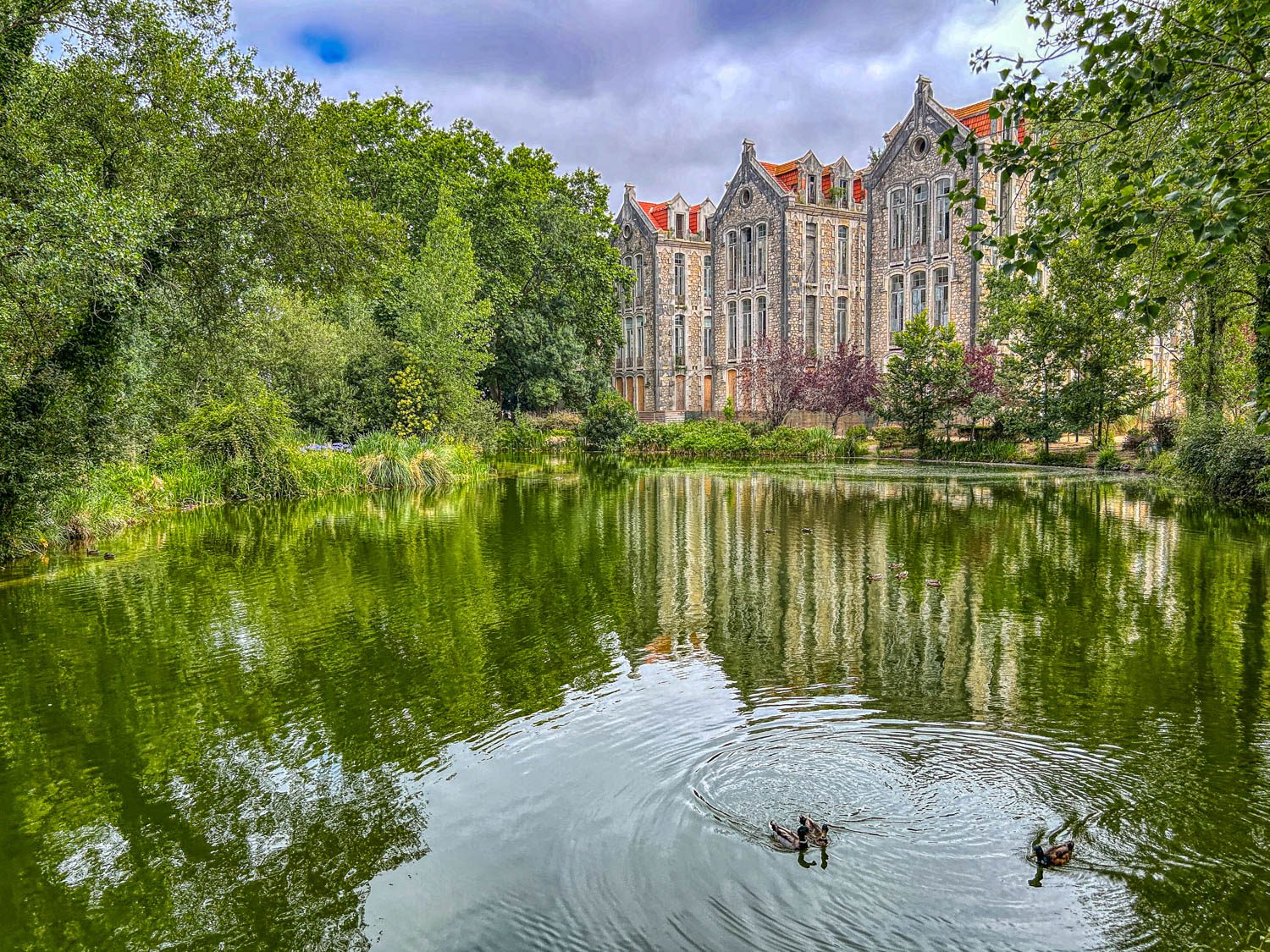
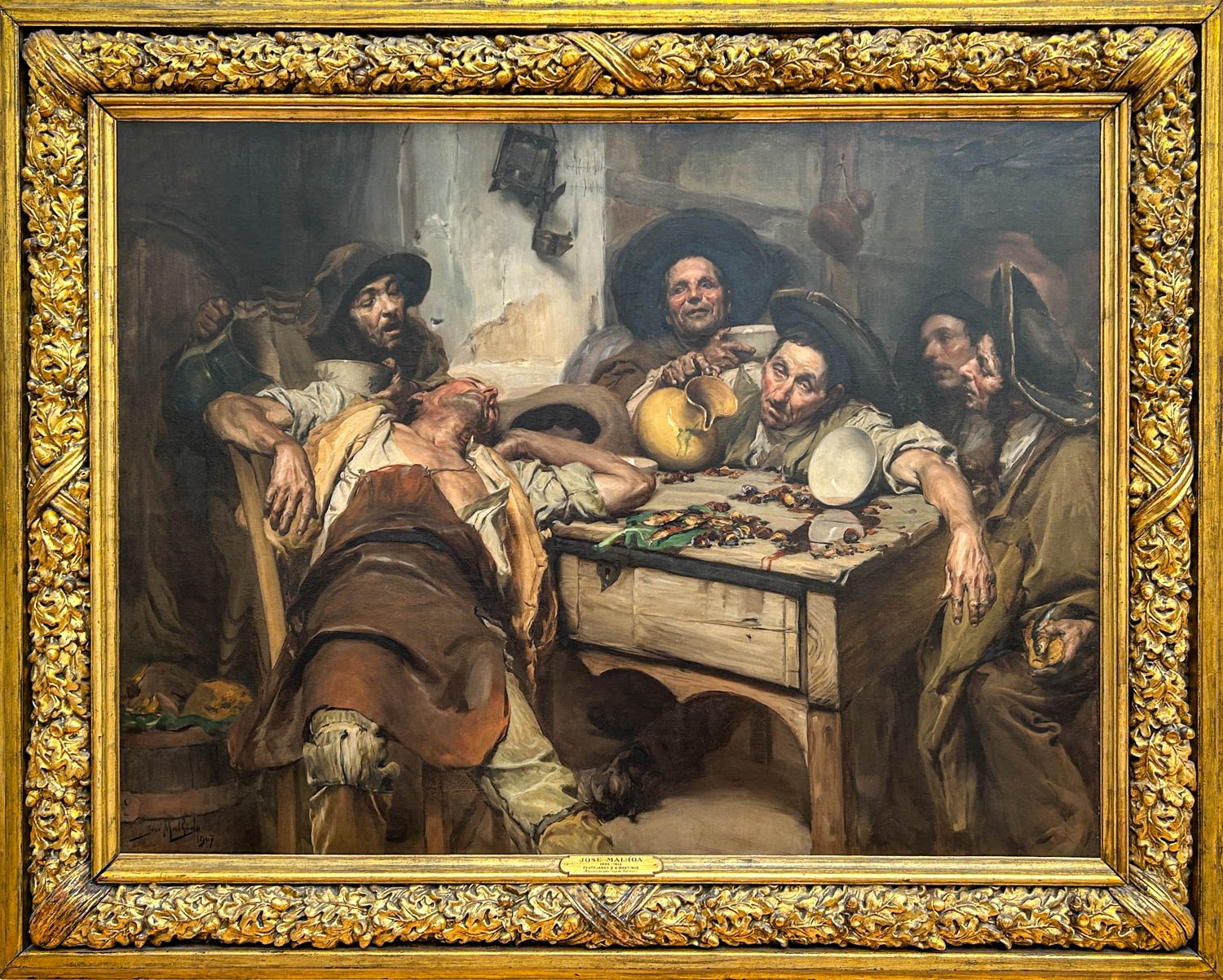
The town is famous for its ceramics (louça das Caldas), and in the 19th century Rafael Bordallo Pinheiro built his pottery factory there. You can still buy his plates, bowls, and jugs in the factory store, but his museum is in Lisbon (I visited it in 2022). The local artist with a museum in Caldas da Rainha is José Malhoa, the most famous 19th-century Portuguese painter. It doesn't have his best-known work, O Fado (which is in the Museu do Fado in Lisbon, which I also visited in 2022), but it does have the equally amusing Os Bêbados (The Drunks), plus hundreds of other paintings by Malhoa and his contemporaries.
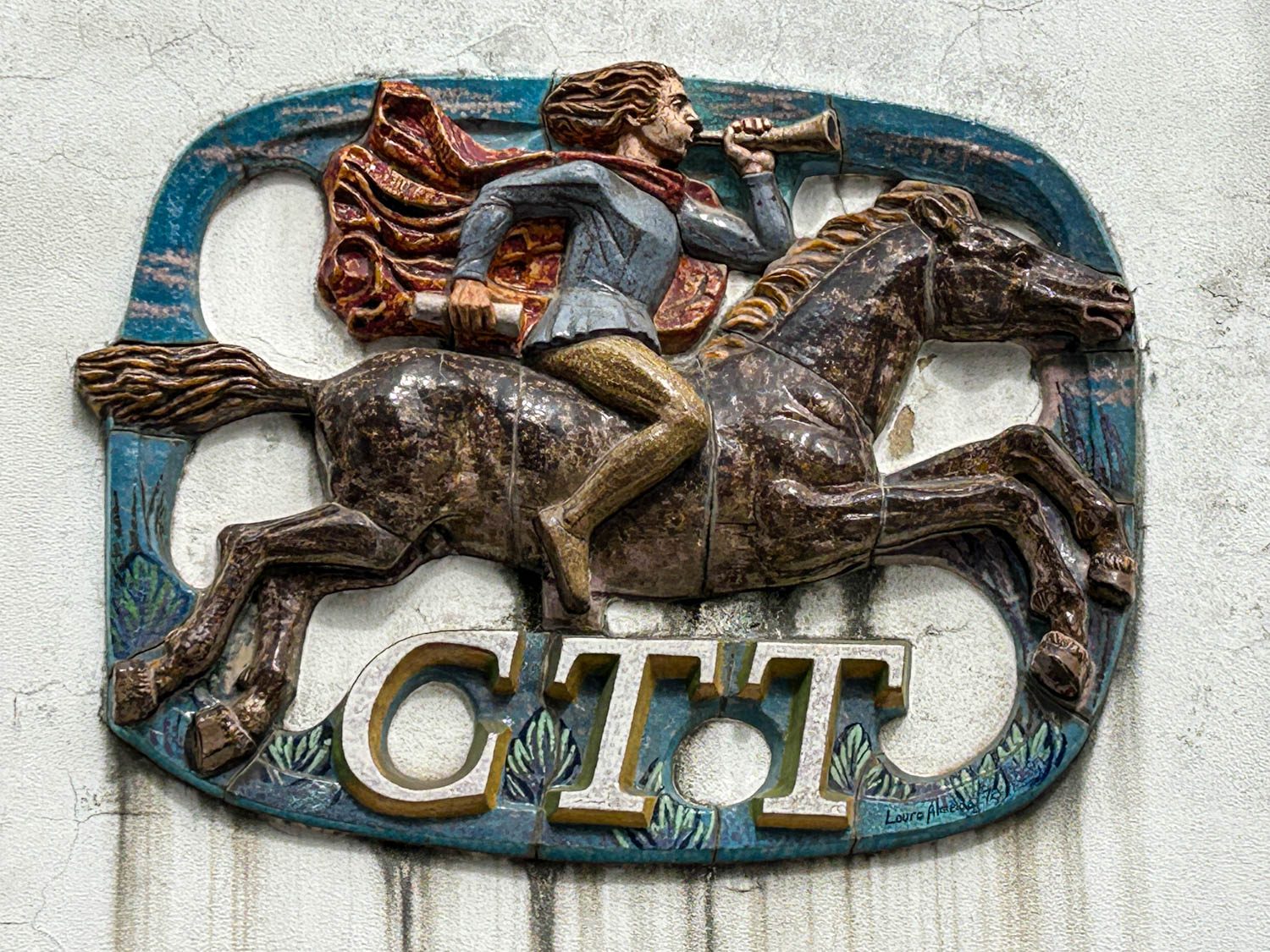
Caldas da Rainha also has some interesting old buildings and monuments, such as the Igreja de Nossa Senhora do Pópulo (a church originally built in 1500) and the Chafariz das Cinco Bicas (the baroque Fountain of Five Spouts, built in 1748).
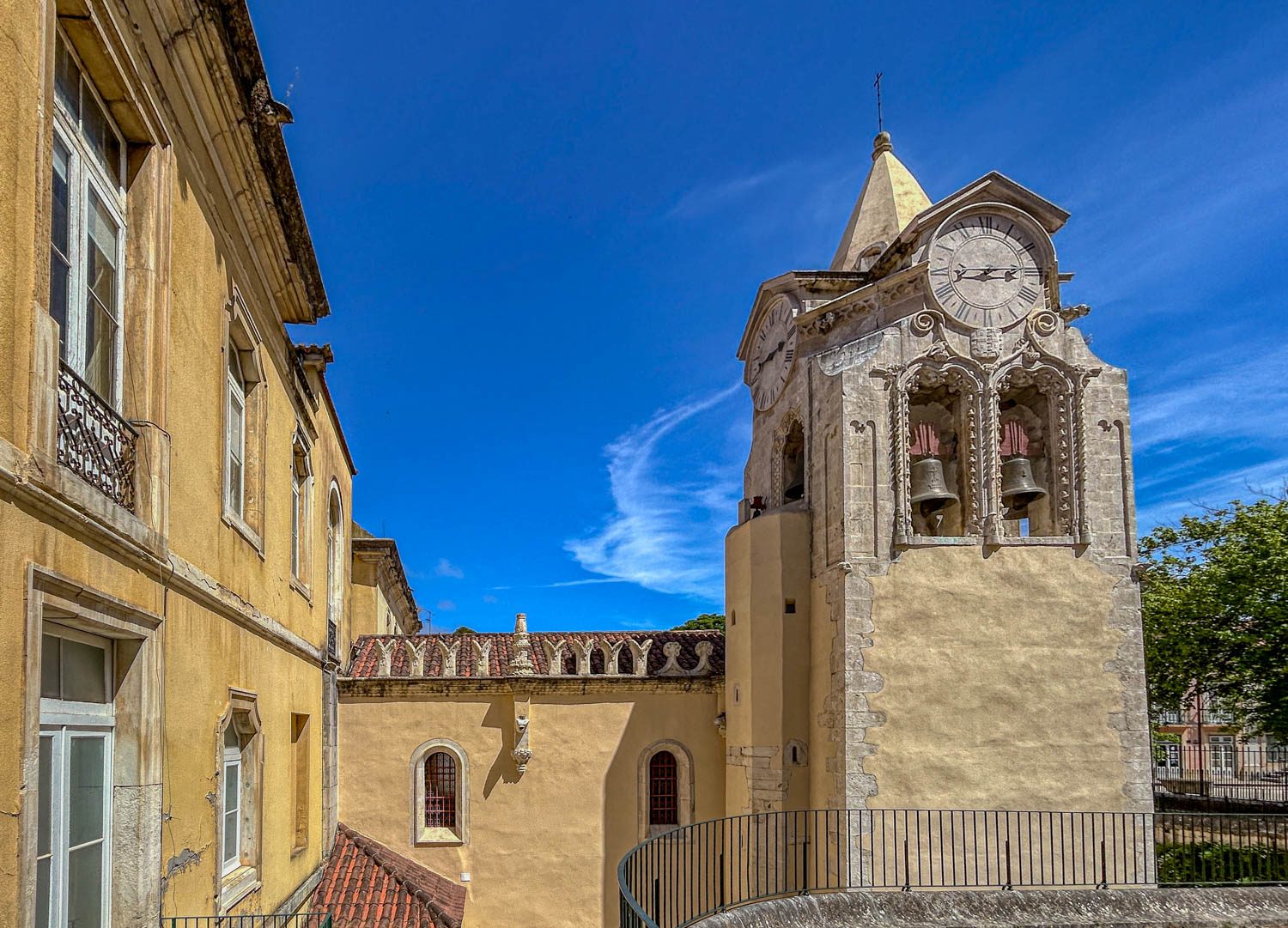
Óbidos is a little place (about 3,100 people) 15 km south of Foz do Arelho. It's one of Portugal's most charming medieval towns, enclosed within remarkably preserved stone walls that you can still walk along for sweeping views of the surrounding countryside. Inside the fortifications, a maze of narrow cobblestone streets winds between whitewashed houses adorned with flowers, creating an atmosphere that seems unchanged for centuries (except for the swarms of tourists). The town's imposing castle, now converted into a historic hotel, dominates the skyline and serves as a reminder of Óbidos's strategic importance during the Middle Ages. Beyond the walls stands an impressive sixteenth-century aqueduct, built to supply the town with fresh water. Óbidos is also home to several historic churches, including the former Igreja de São Tiago, which has been transformed into a curious bookstore. Because of its many bookshops, the town was designated as one of UNESCO's Cities of Literature (along with Barcelona, Dublin, Montevideo, and others). The name Óbidos comes from the Latin "oppidum", which means "citadel".
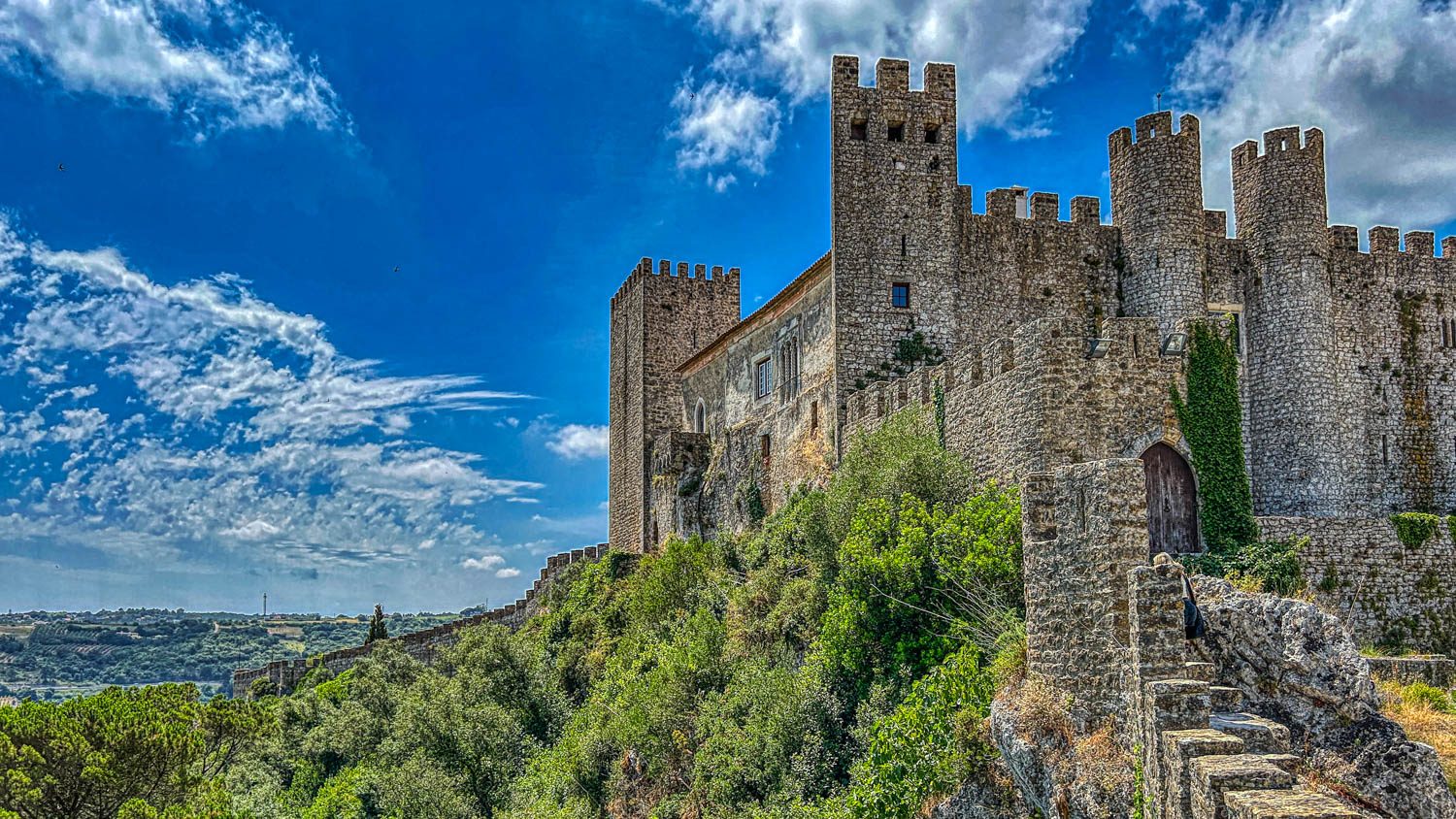
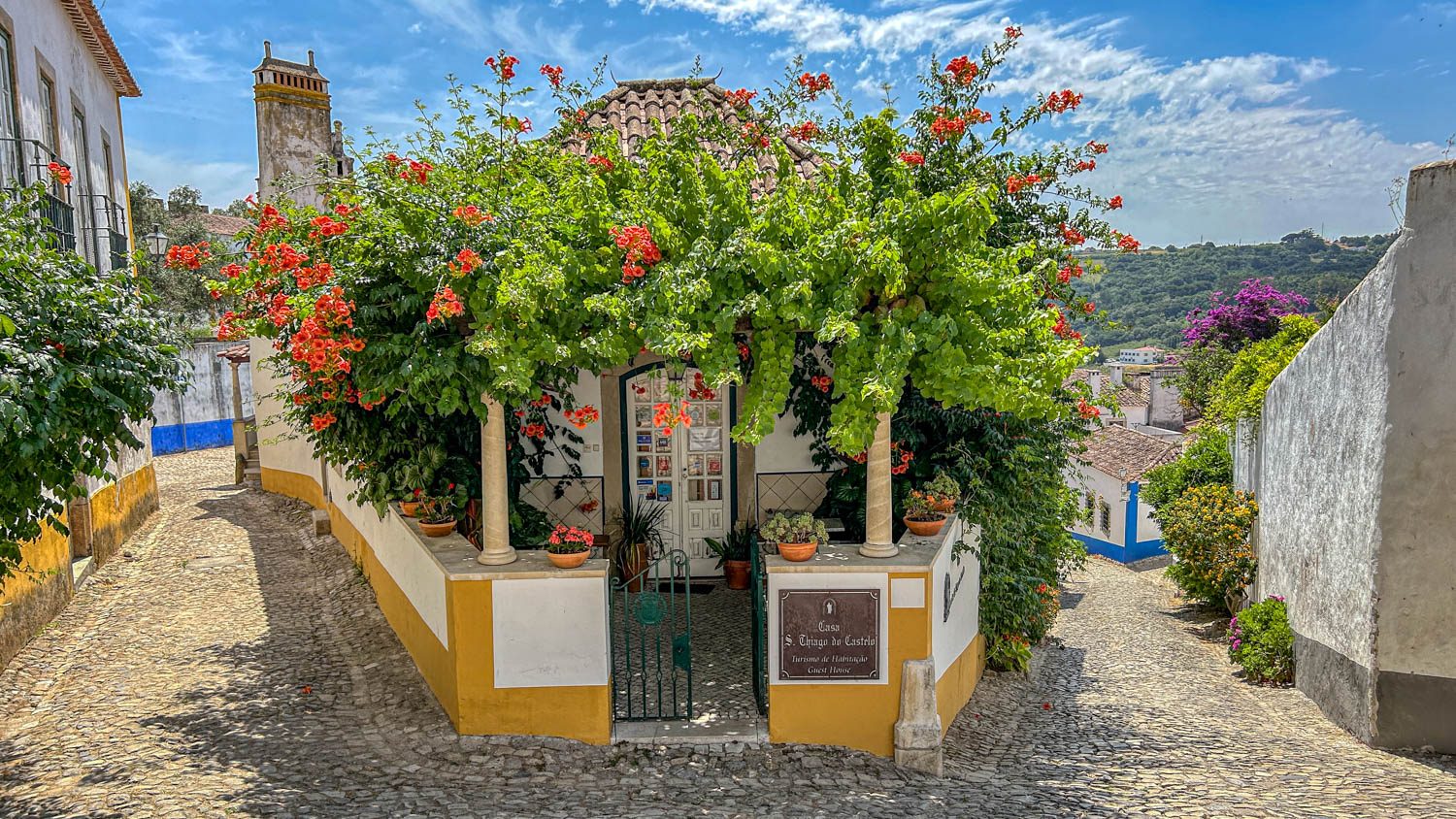
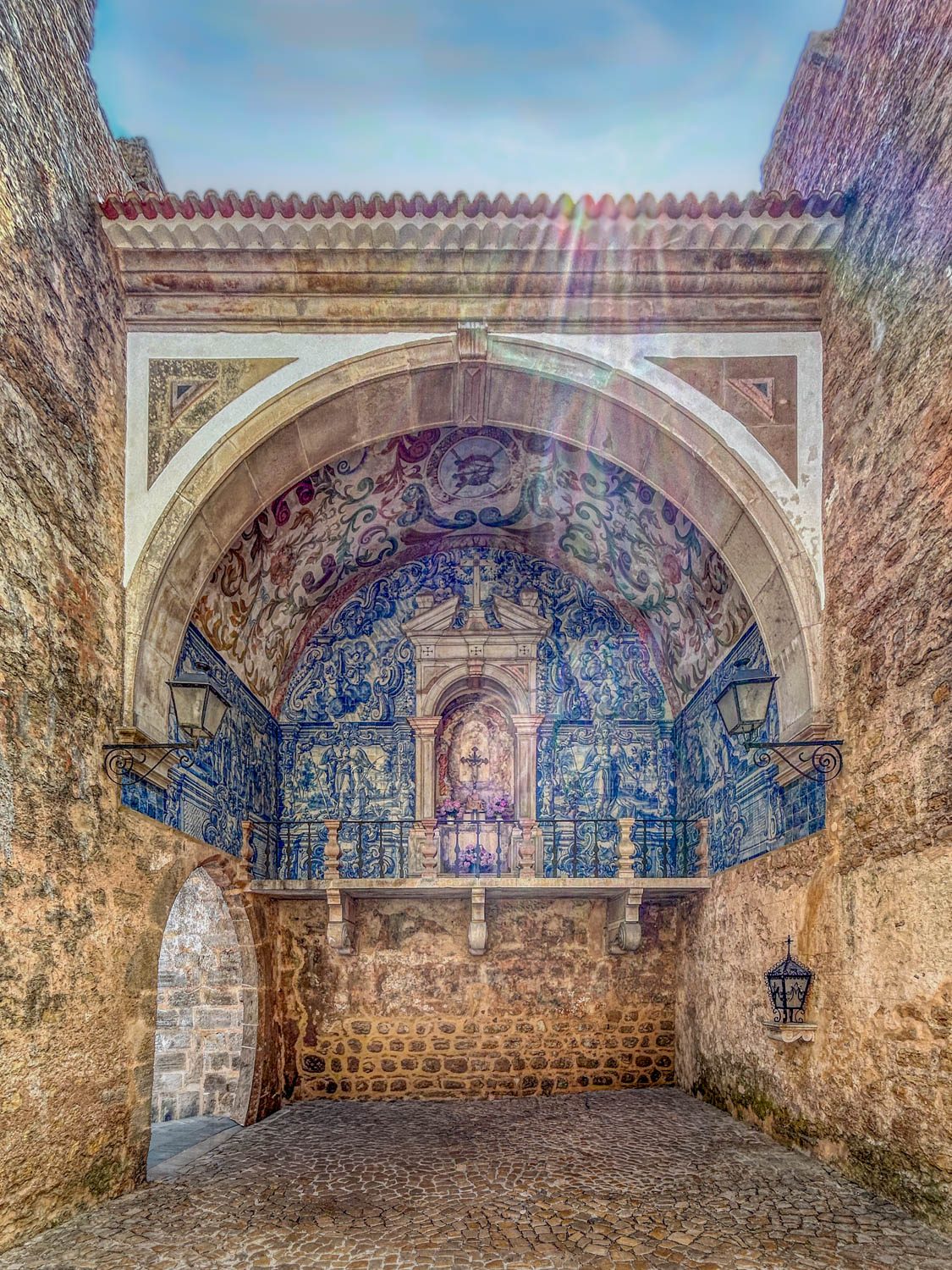
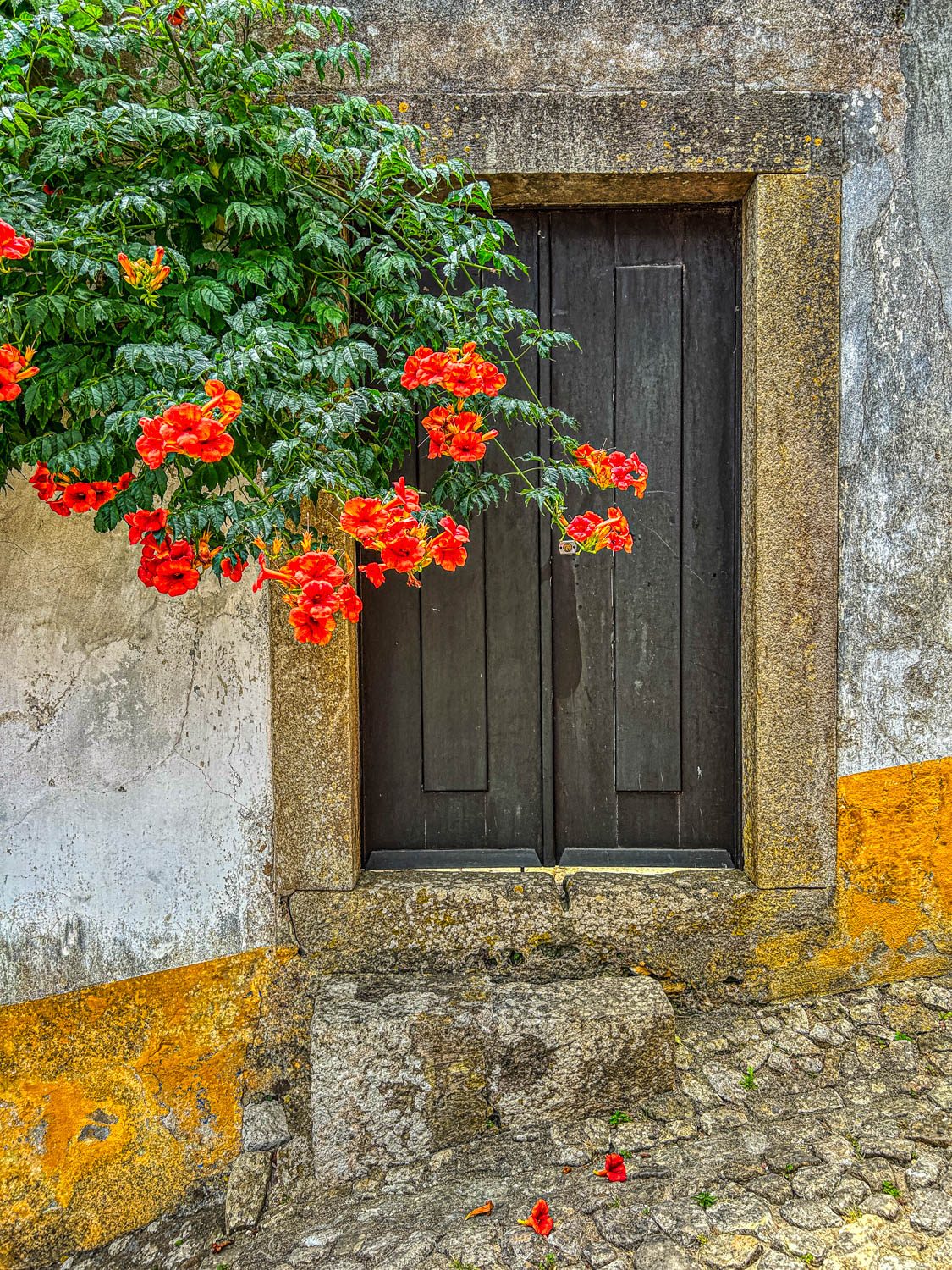
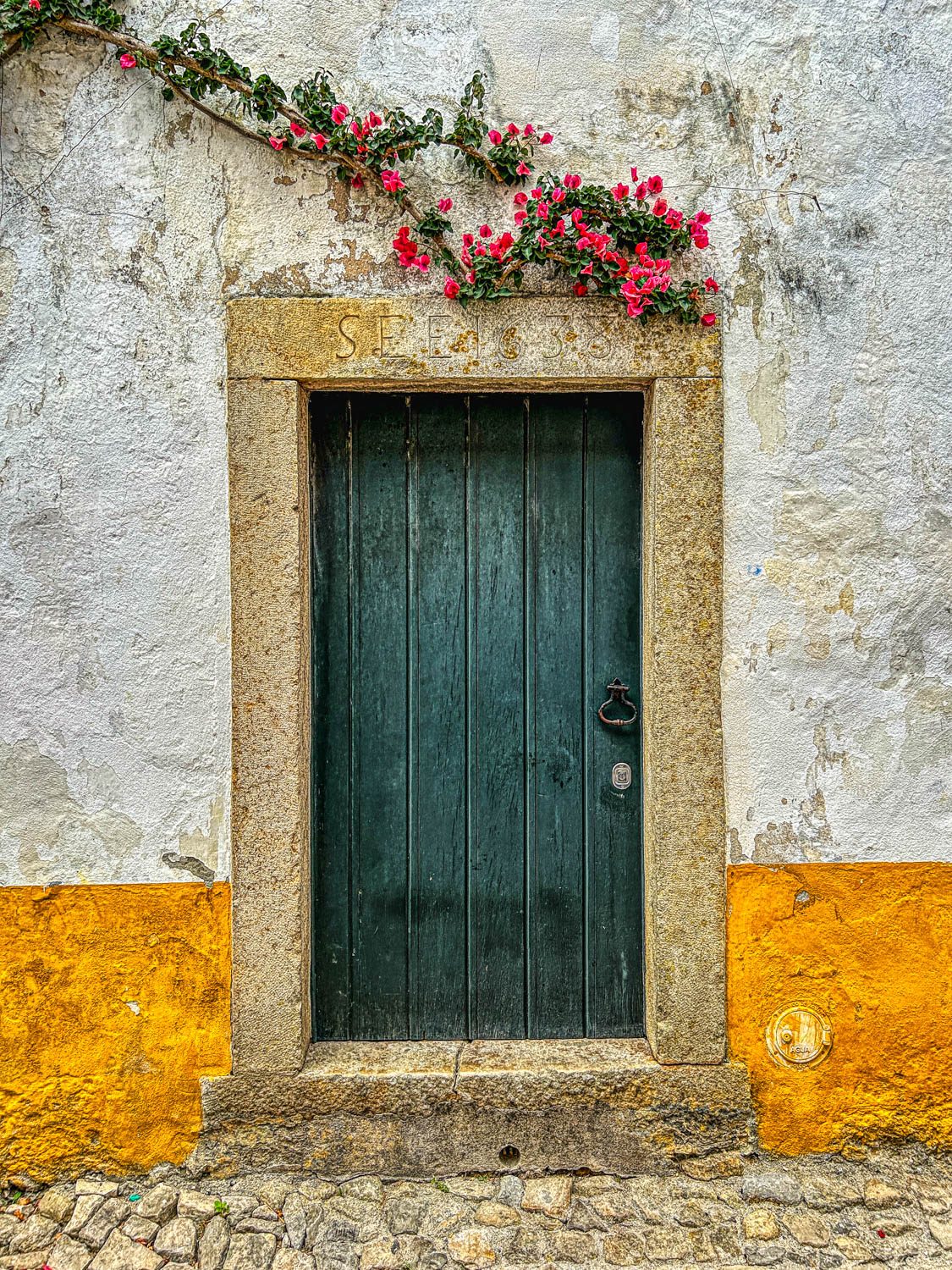
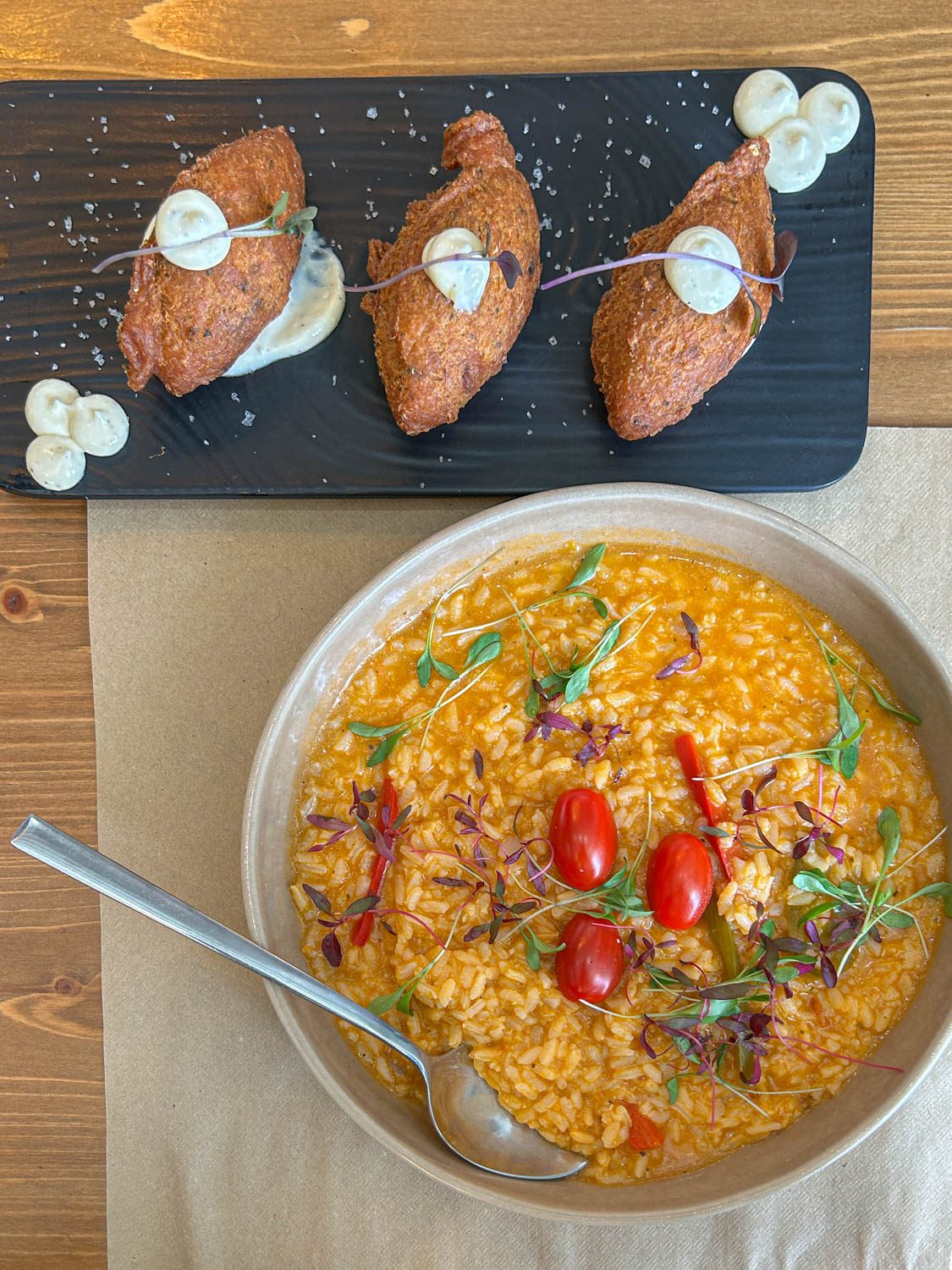
I had a good lunch there, the typical and delicious arroz de tomate com pastéis de bacalhau (tomato risotto with salt cod fritters). And no visit is complete without sampling a glass of ginginha, the region's famous sour cherry liqueur, often served in a small chocolate cup.
And after Foz do Arelho?
For the rest of this month, I will be living in Morocco, more specifically in Marrakesh, also called The Red City (because of the earthy tones of its traditional architecture) and The Daughter of the Desert (because it was originally a fortified oasis for desert nomads crossing the Sahara). But that's a story for another time. Netshawfo qrib! (That's "see you soon" in Darija, the spoken Arabic dialect of Morocco, which mixes Classical Arabic with Berber languages plus a bit of French and Spanish.)