
Returning to Europe was somewhat exhausting. Because of the current war, I wanted to avoid connecting flights through the Middle East, which are fairly common when moving from Southeast Asia to Europe. While wandering through airports in Vietnam, Cambodia, and Laos, I had already seen many flights canceled or drastically delayed, and I wanted to avoid that. So I got a direct flight from Bangkok to Paris, which is a twelve-hour trip, followed by a three-hour jump to Athens, plus another hour on a plane to Rhodes. From the time I left my apartment in Bangkok to the time I arrived at the one in Rhodes, it was a total of thirty-eight hours. There was also a big temperature difference, leaving Bangkok at 35ºC and arriving in Paris at 17ºC. Rhodes is less chilly, between 20ºC and 22ºC.
Arriving in Paris was a milestone in itself for me. When I left Albania two years ago, I kept moving west (with a few detours), traversing Europe, the USA, and Asia, and finally returning to Europe. Moving from Thailand to France now, I crossed longitude 19°49'5" E again, where Tirana is, and literally completed a trip around the world.
Rhodes
Now I'm exploring areas of Greece I had not been to yet. The city of Rhodes (in Greek, Ródos) is the capital of the island of Rhodes, the largest of the Dodecanese and the ninth-largest island in the Mediterranean Sea. I rented a modest apartment on the west side of town, right in front of the Aegean Sea, with a spectacular view of the water. Just waking up in the morning to that relaxing vista made my days better.

Because of its strategic position, Rhodes has been conquered by many groups over the centuries: the Roman Republic, the Byzantine Empire, the Knights Hospitaller, the Ottoman Empire, the Kingdom of Italy, and only being incorporated into modern Greece after the Second World War. You can see influences from all those periods in the city's architecture.

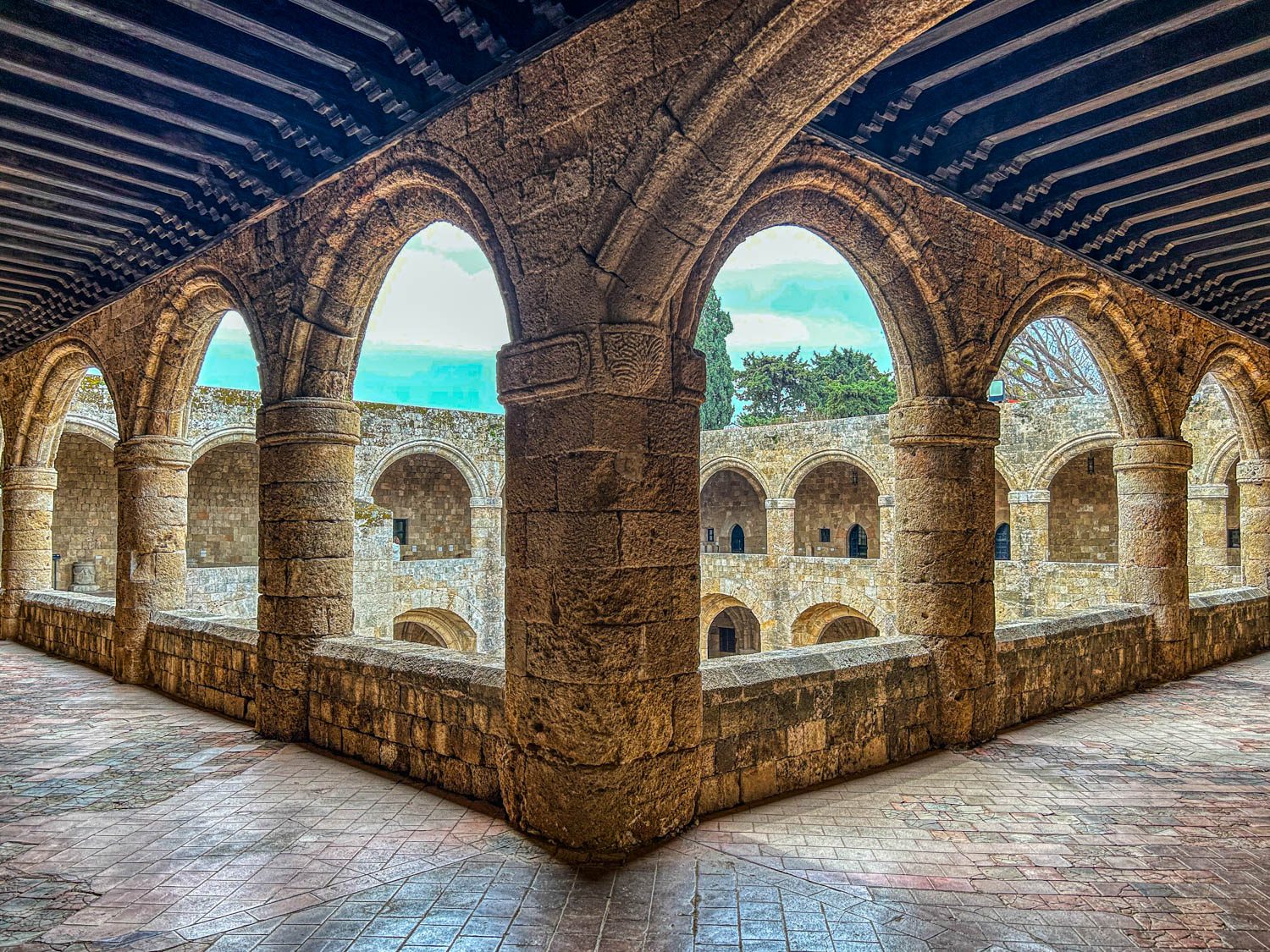
The Archaeological Museum of Rhodes has many interesting artifacts from different eras, but for me the big star was the building itself. Constructed in the late 15th century by the Knights Hospitaller, it was originally a fully functional medieval hospital. It's an example of late Gothic architecture adapted to a Mediterranean context.
Among the museum's pieces, one that demands attention is the Head of Helios, a sculpture of the god of the sun, dated to the Hellenistic period, around the late 2nd century BCE, a time when many statues of gods were made in a style reminiscent of portraits of Alexander the Great. Helios is the patron god of Rhodes. After the ten-year war where Zeus and the Olympian gods overthrew the older generation of Titans for control of the cosmos, the spoils were divided among the victors: Zeus got the skies (and was recognized as supreme ruler), Poseidon got the seas (and all other waters), Hades got the underworld (which was the realm of the dead), and other gods were assigned several specific areas. But apparently Helios was absent when those gifts were being distributed, and got nothing. So Zeus promised him the next land to rise from the sea, and that was the island of Ródos. Helios named it as an homage to his lover, the nymph Ródos, daughter of Aphrodite and Poseidon.
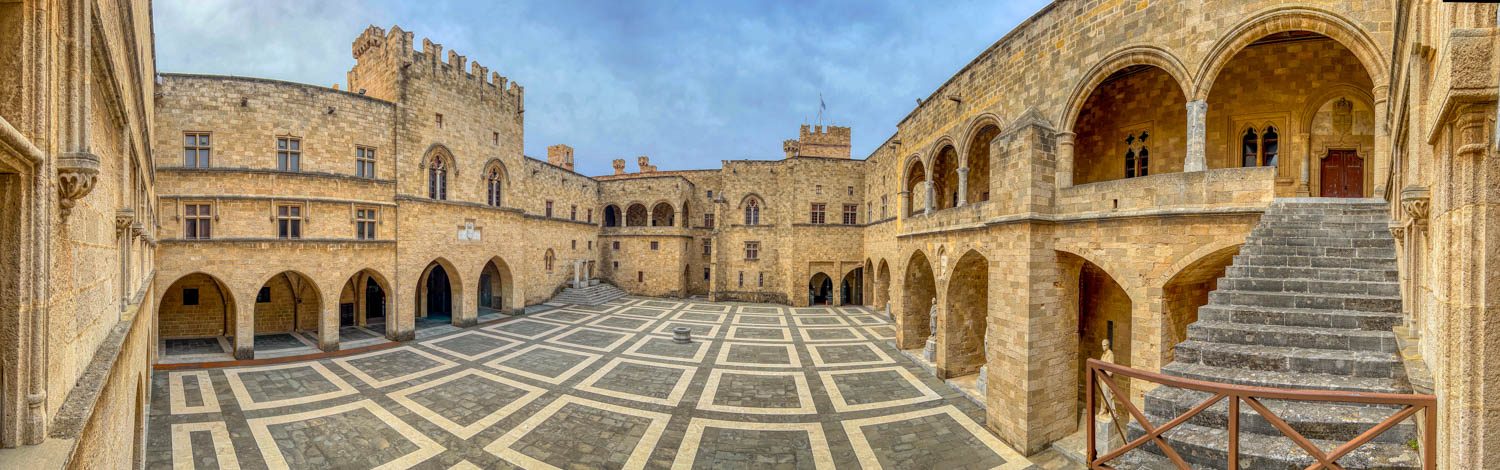
Another great medieval building in Rhodes is the Palace of the Grand Master of the Knights of Rhodes. It was originally a Byzantine citadel, but when the Knights Hospitaller took over the island, they adapted it as their headquarters. In the 19th century, however, one area used for gunpowder storage was struck by lightning, and an enormous explosion destroyed a large part of the castle. It was rebuilt by the Italians between 1937 and 1940, and served as a summer residence for King Victor Emmanuel III, and even for Benito Mussolini. Today, it's a museum.
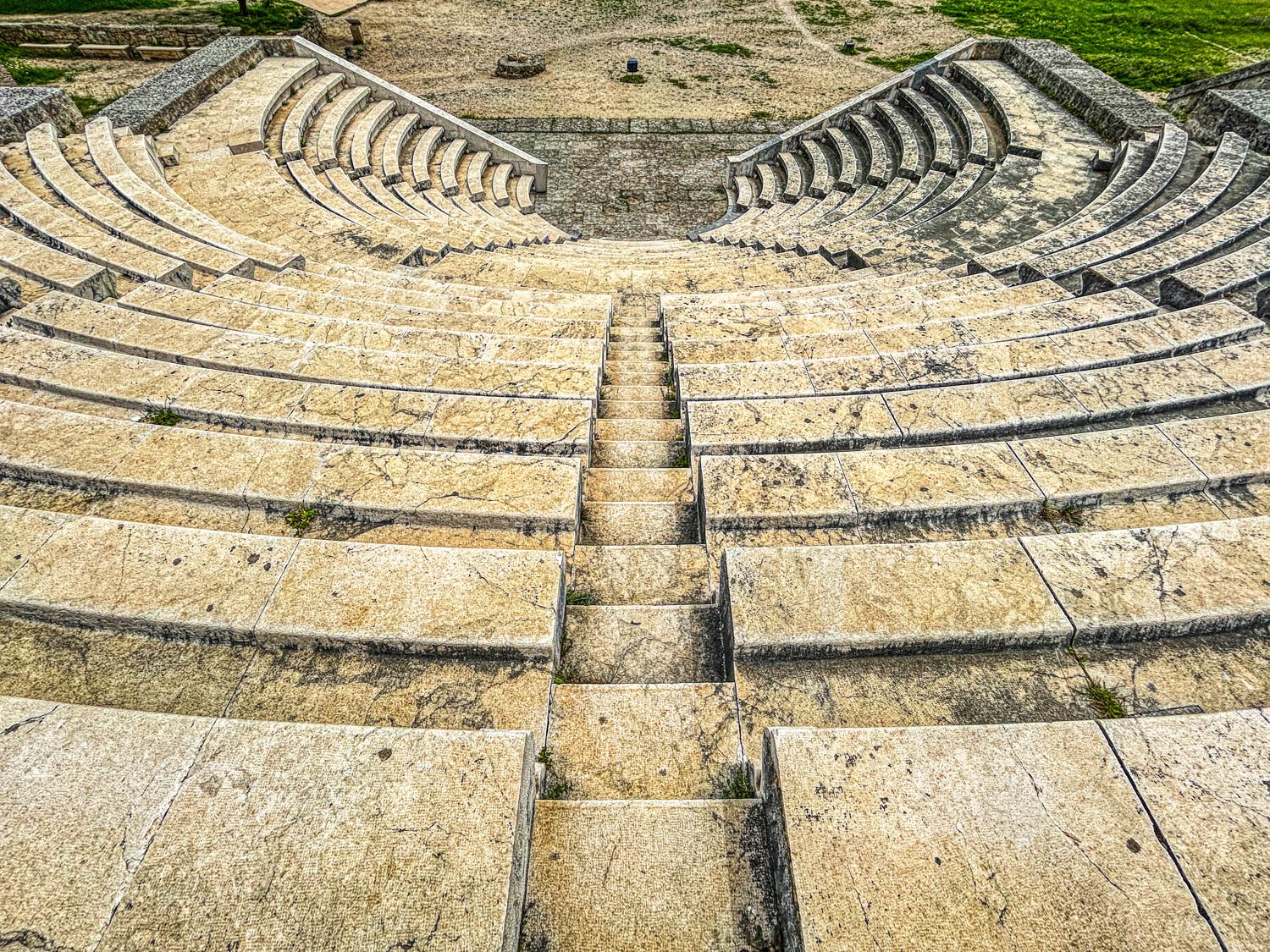
I also visited the Acropolis (it requires a long walk uphill), which has a Temple of Apollo (currently being restored), an odeon (which is mostly a reconstruction of the original), a stadium (where they used to hold the Haleion Games, an athletic event honoring Helios), and the ruins of the Temple of Athena Polias and Zeus Polieus (just a few stone blocks on the ground). Nothing to compare with the magnificent Acropolis in Athens, but still interesting.
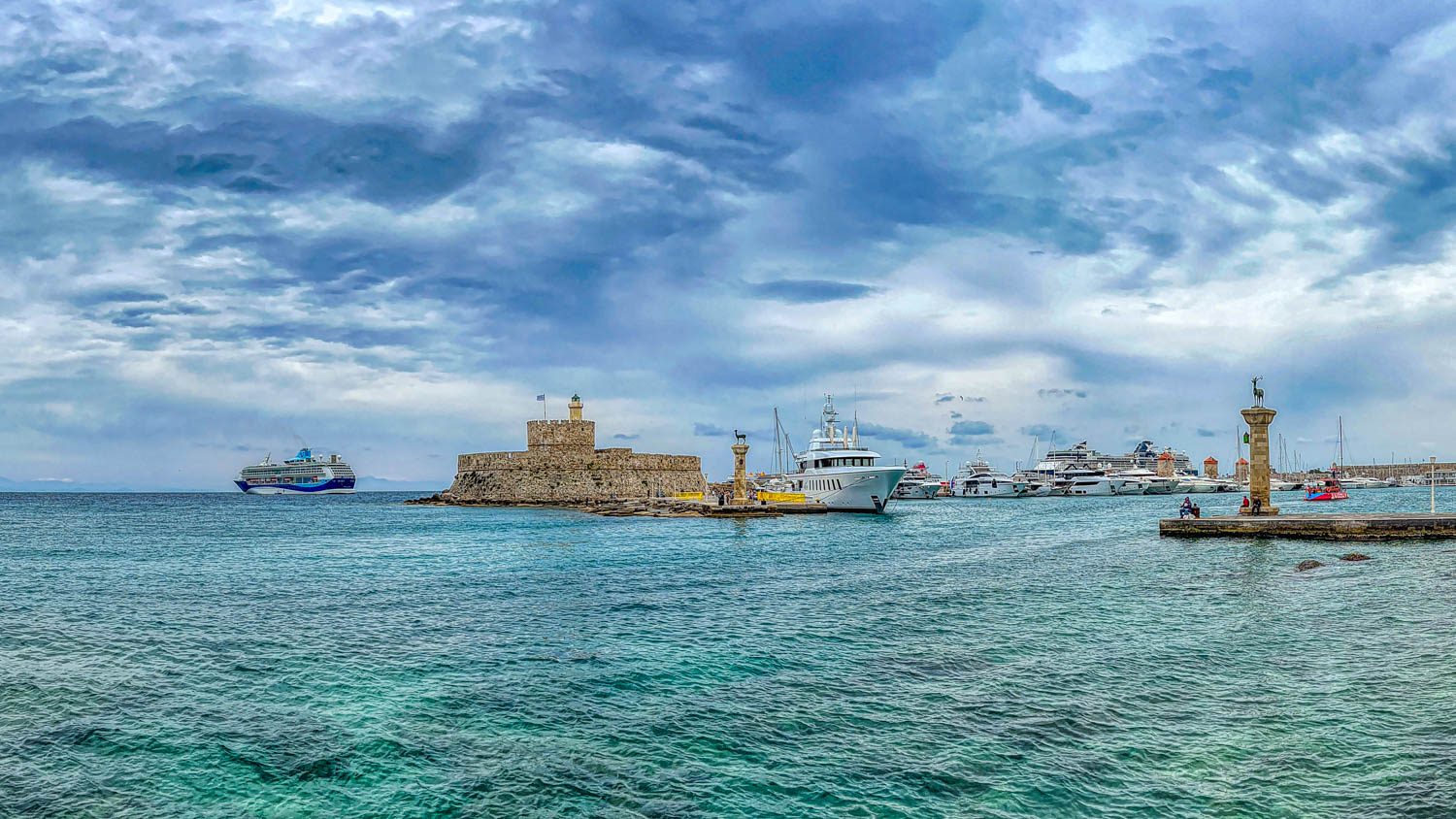
Probably the most famous thing about Rhodes is the Colossus of Rhodes, one of the Seven Wonders of the Ancient World (bonus points if you can name the other six). It was a 33-meter-tall bronze statue of Helios, built around 280 BCE near the entrance to the Mandraki Harbor. The figure was roughly one-third the height of New York's Statue of Liberty and was the world's tallest at that time. It didn't last long, though, as an earthquake toppled it in 226 BCE. Today, we aren't even sure of its exact location, as the statue's remains were sold when an Arab force invaded the city in 653.
But the port still has several points of interest. The Fortress of Agios Nikolaos (Saint Nicholas) was built in the mid-15th century to guard the harbor. The Mandraki Windmills are reconstructed versions of the original medieval windmills. And there are two 20th-century statues of a stag and a doe (symbols of the island) placed on top of the columns at the entrance to the port.
And the food?
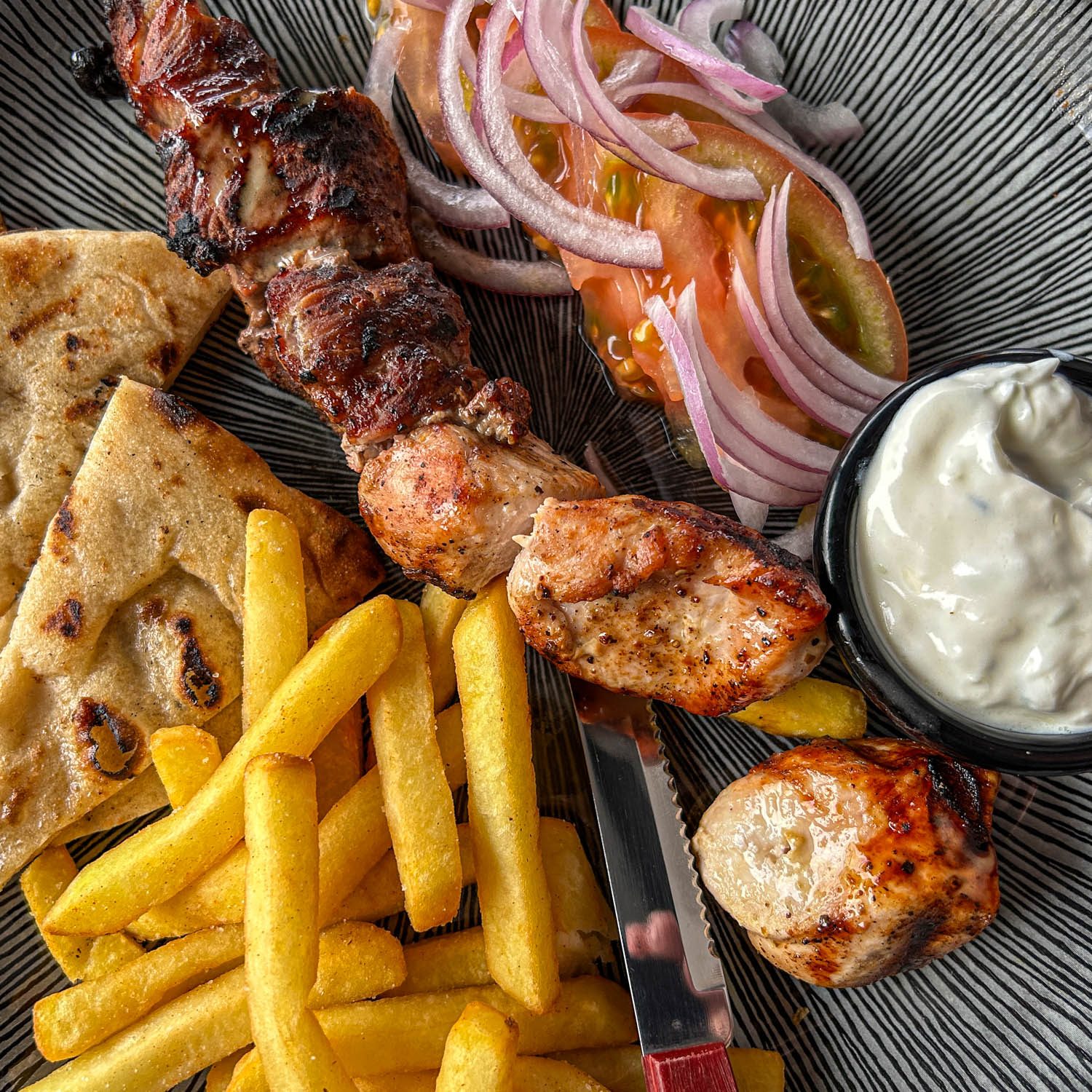
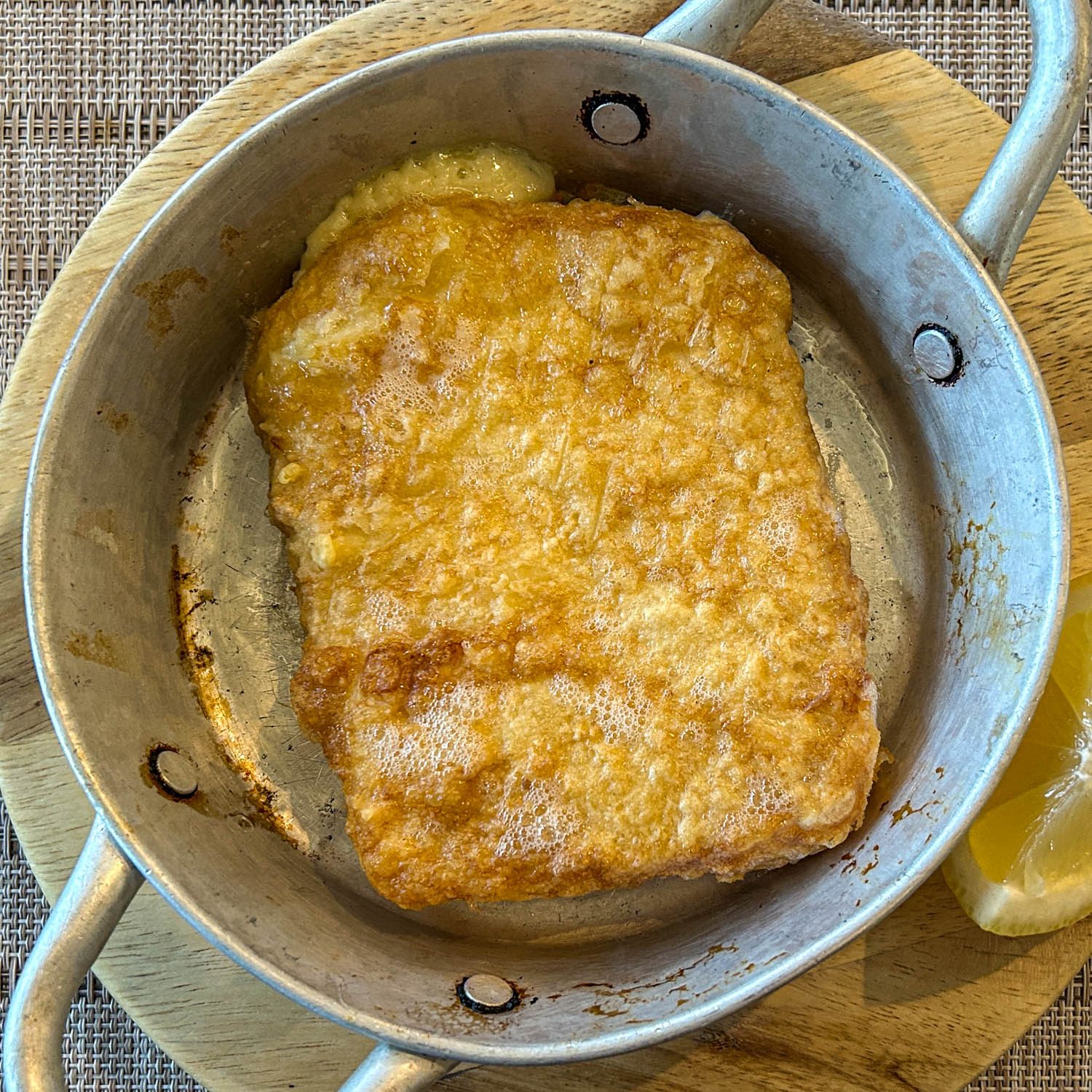
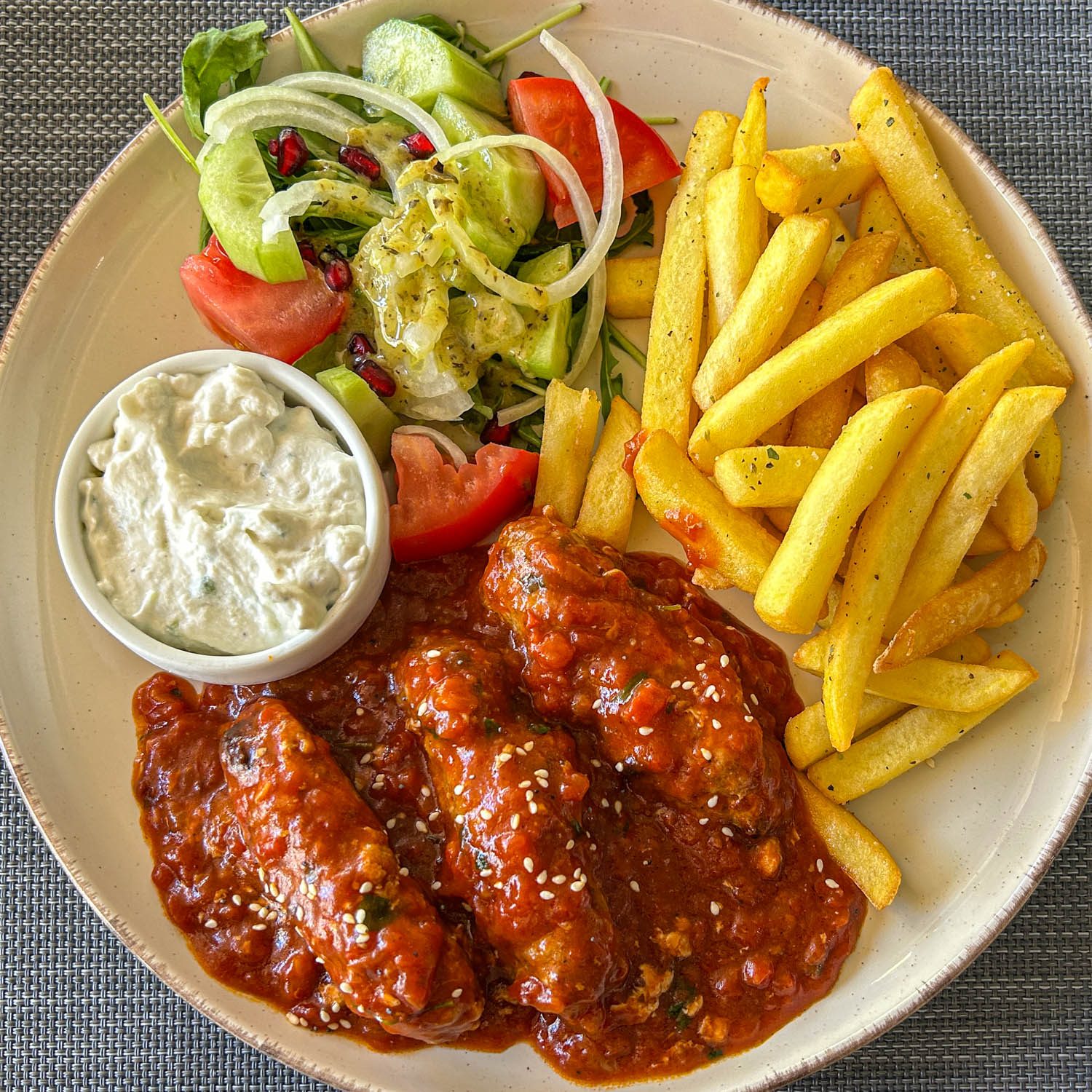
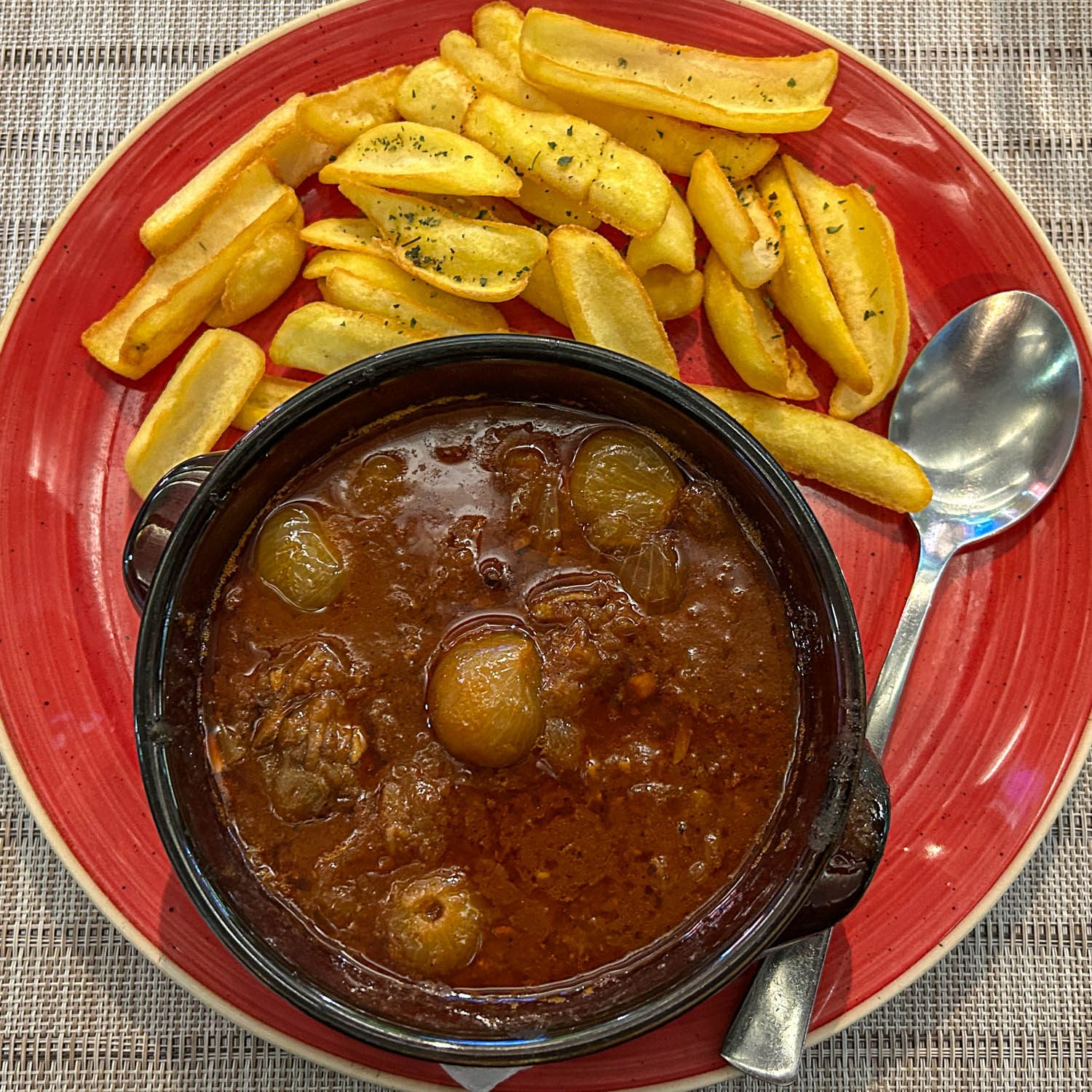
Ah, Greek food! First, I ate some of the basics, like souvlaki (pieces of meat grilled on a skewer) and gyros (meat cooked on a vertical rotisserie and then sliced), always accompanied by tzatziki (a sauce made with yogurt, cucumbers, garlic, salt, olive oil, and lemon juice) and salad (they have delicious tomatoes and onions in Greece). Then I got into the more elaborate dishes, like moussaka (a three-layer casserole: sliced sautéed aubergine at the bottom, then ground lamb cooked with tomatoes and onions in the middle, and topped with béchamel sauce) and kleftiko (slow-roasted marinated lamb cooked with potatoes, bell peppers, onions, and feta). I also ate soutzoukakia (oblong meatballs cooked in tomato sauce) and stifado (slow-cooked beef stew, rich in shallots, tomatoes, and red wine). And, as a snack, there's always saganaki (pan-fried cheese, usually kefalotyri, which is a sharp-flavored sheep's cheese).


Any side trips?
I spent a day in Lindos, about 50 km to the south of Rhodes on the east coast. It's one of those little Greek towns where all the houses are painted white. Unfortunately, the place is now dominated by tourism, it's all shops and restaurants. But there's still the Acropolis, which remains a great place to see some of the island’s history.

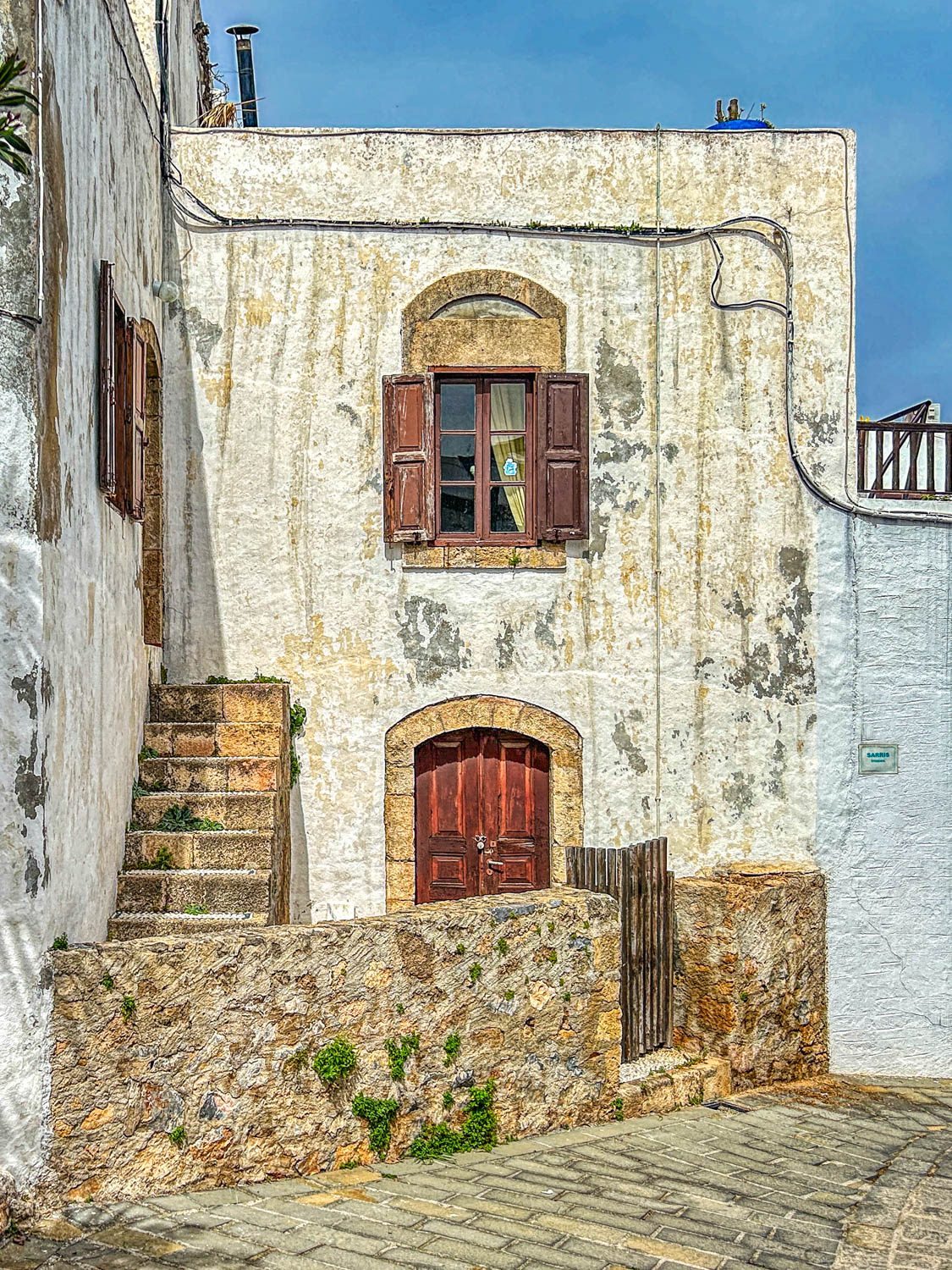
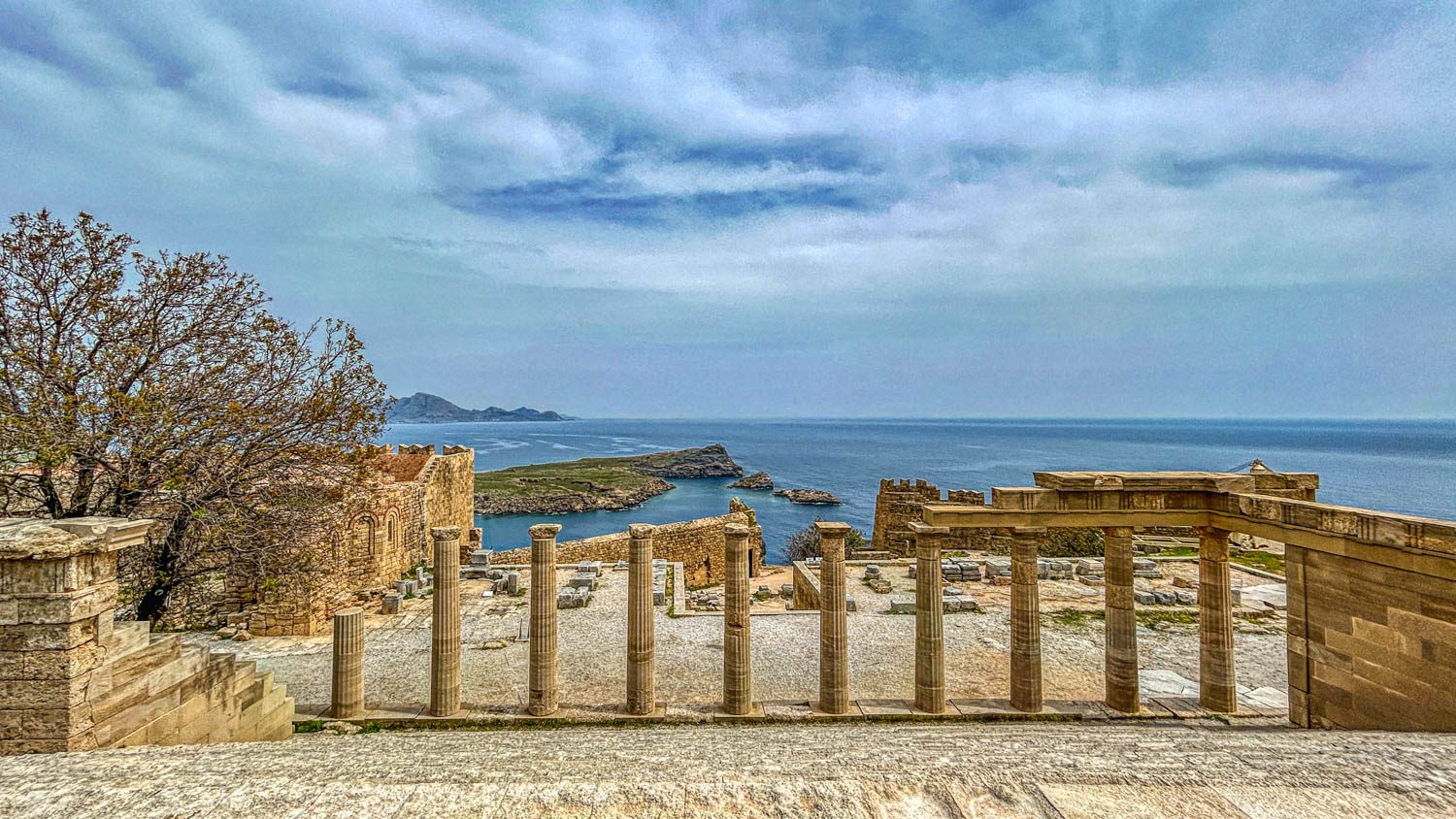
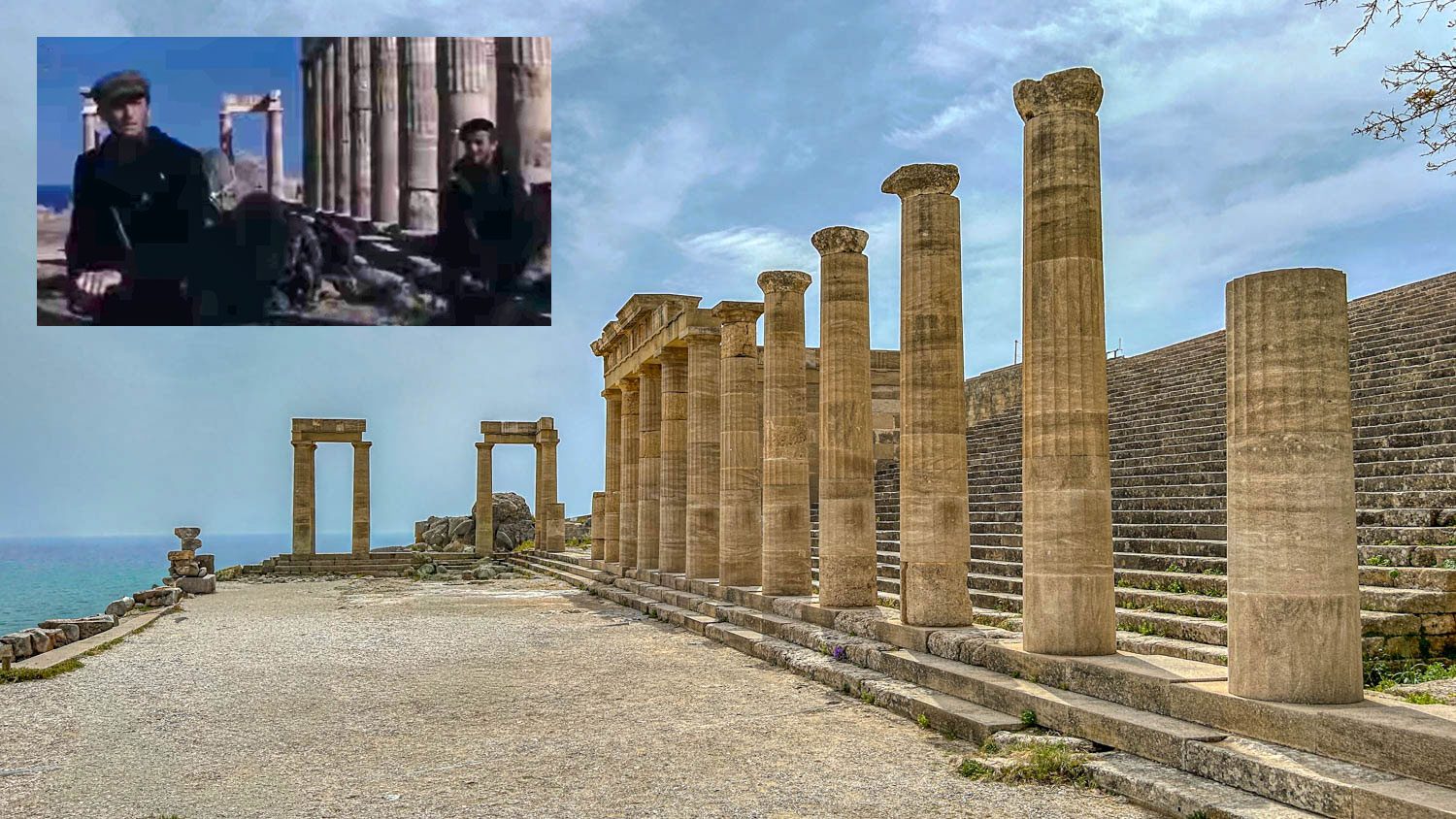
The movie Guns of Navarone (J. Lee Thompson, 1961) was filmed in Lindos, and it was easy to recognize some locations.
And after Rhodes?
I am in Crete now, land of the Minotaur. I'll tell you about that soon. Yassou!
