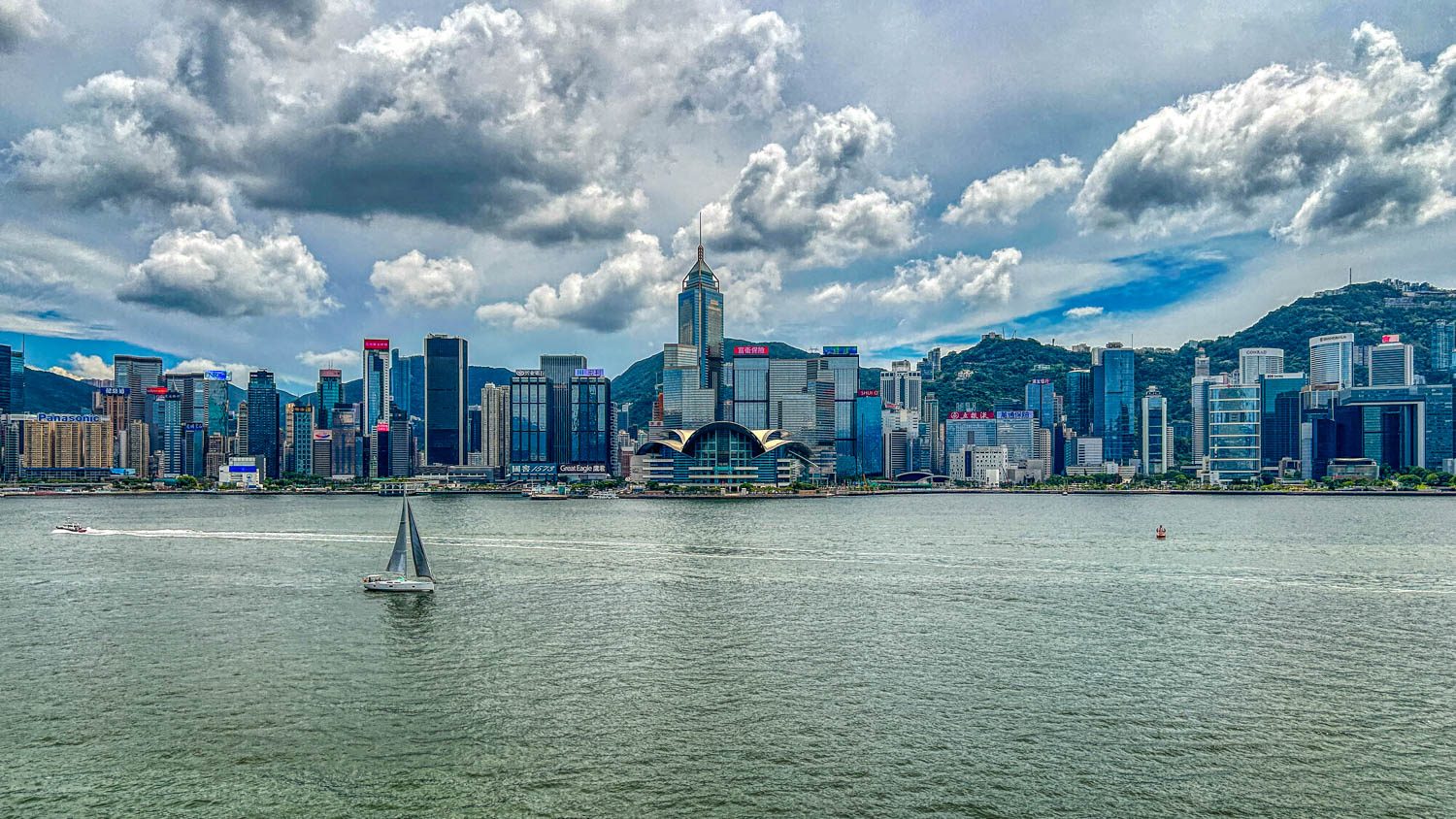
Why maybe not? Well, I visited Hong Kong and Macau. They are both special administrative regions (SAR) of the People's Republic of China, which means they are under the control of the Chinese government but at the same time have a very high degree of autonomy (they have their own currency, their own visa requirements, and even their own Olympic teams). Also, both Hong Kong and Macau have been distinct political entities for a long time and only joined China recently (1997 and 1999, respectively), so in my mind they are different countries.
Hong Kong
There are two official languages in Hong Kong: Chinese and English. But, to my surprise, nobody seemed to know English. It was actually easier to communicate in Japan than here in this former British colony. What they speak in Hong Kong is Cantonese (like Bruce Lee in Fist of Fury and Jackie Chan in Police Story, not like Chow Yun-fat and Michelle Yeoh in Crouching Tiger, Hidden Dragon).
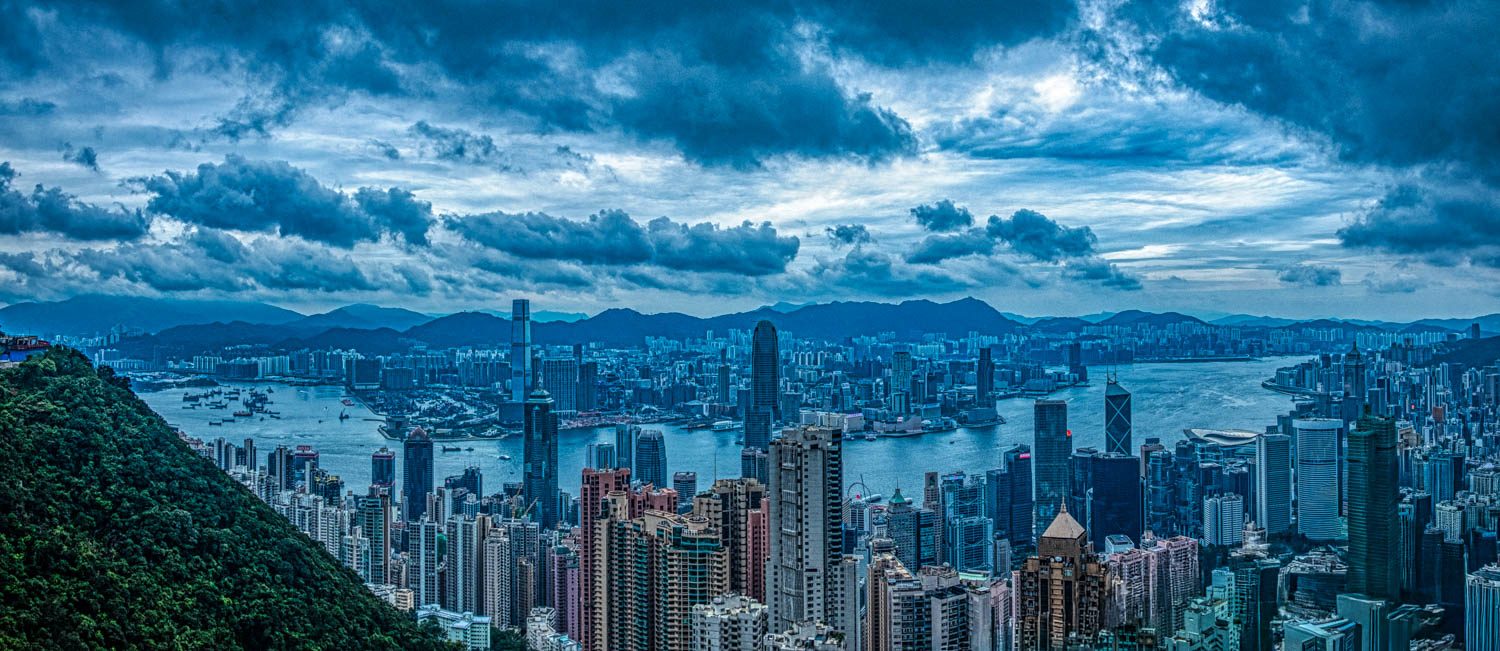
Hong Kong has three parts: Hong Kong Island, the big island in the southern part, which people here just call Hong Kong; Kowloon, the south part of the peninsula north of Hong Kong Island and across Victoria Harbour; and the New Territories, a large area West, North, and East of Kowloon, plus about two hundred little islands.
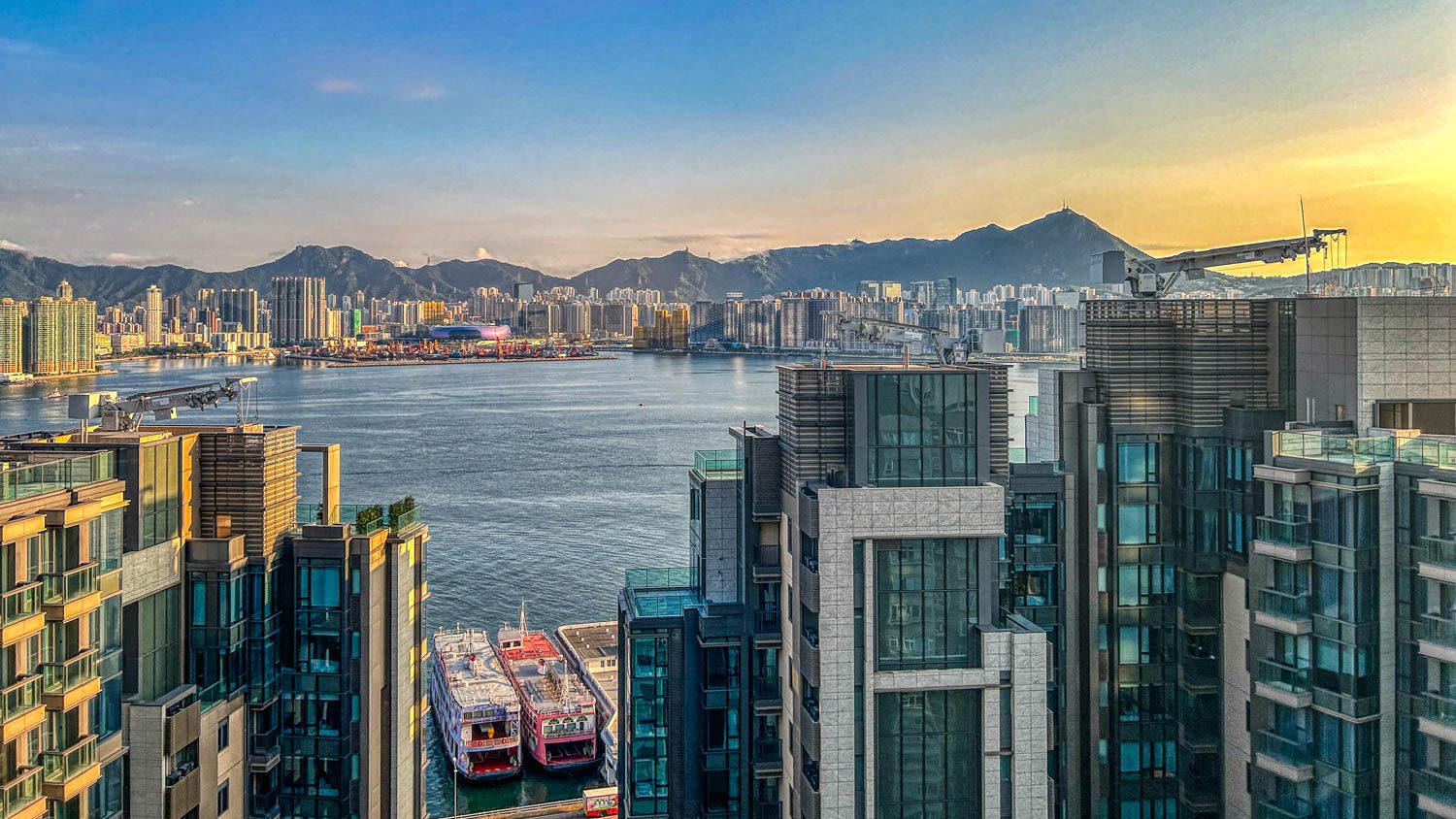
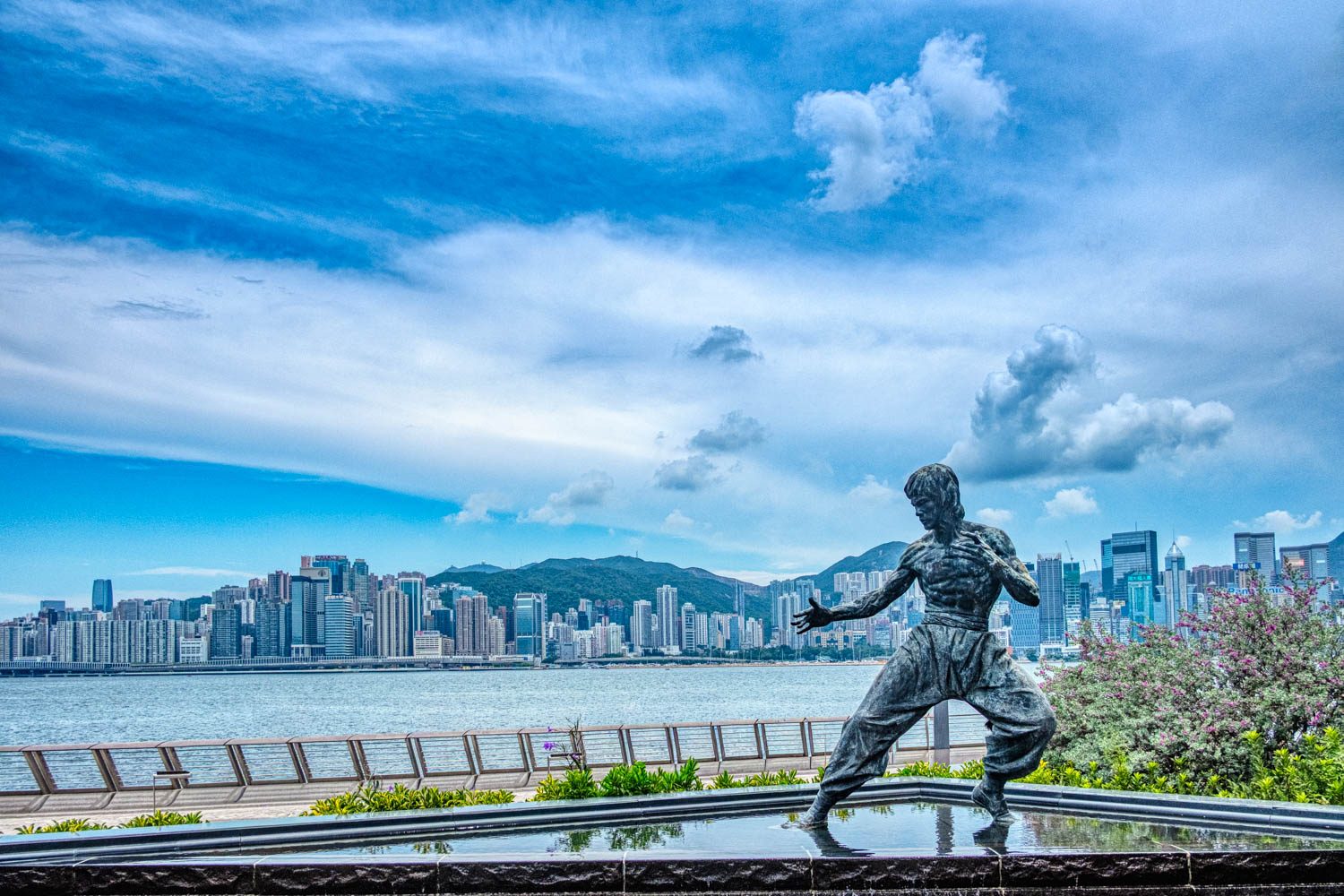
I stayed in a hotel on Hong Kong Island, in an area known as North Point, in a 27th-floor room facing the Victoria Harbour. It's a tiny room, but at least I have a great view. And the greatest attraction in Hong Kong is actually the view of Victoria Harbour. I did quite a bit of walking on both sides. On the first day, I took the ferry boat right in front of the hotel and crossed from North Point Pier to Kowloon City Pier, then walked the promenades on the other side (Hoi Sham Promenade, Laguna Verde Promenade, Hung Hom Promenade, Tsim Sha Tsui Promenade, and the Avenue of the Stars, where you can find a statue of Bruce Lee), all the way to the Tsim Sha Tsui Ferry Pier, where I took another boat and crossed back to the Wan Chai Ferry Pier on the island to continue my walk and return to the hotel. That was a 10 km stroll.

And the food?
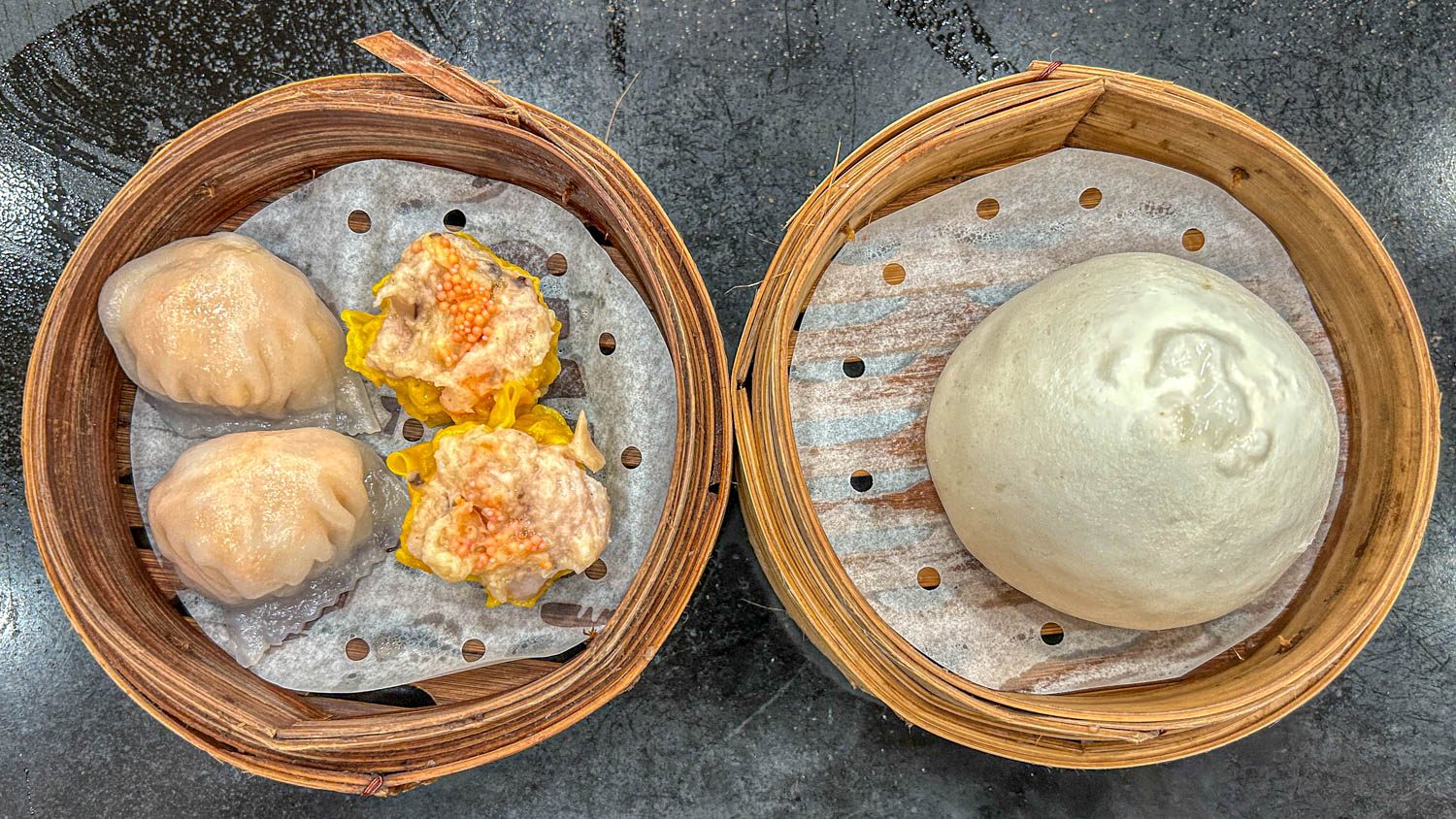
I stayed away from dishes made of ingredients I don't like, which are very common here: liver, tripe, tongue, that kind of thing. Fortunately, it's also easy to find those dishes we know from Chinese restaurants in Western countries, like stir-fried beef, sweet and sour chicken, sweet and sour pork, and barbecued pork. There's also dim sum, which are small buns or dumplings filled with some sort of meat (I preferred the ones with pork or shrimp).
Macau
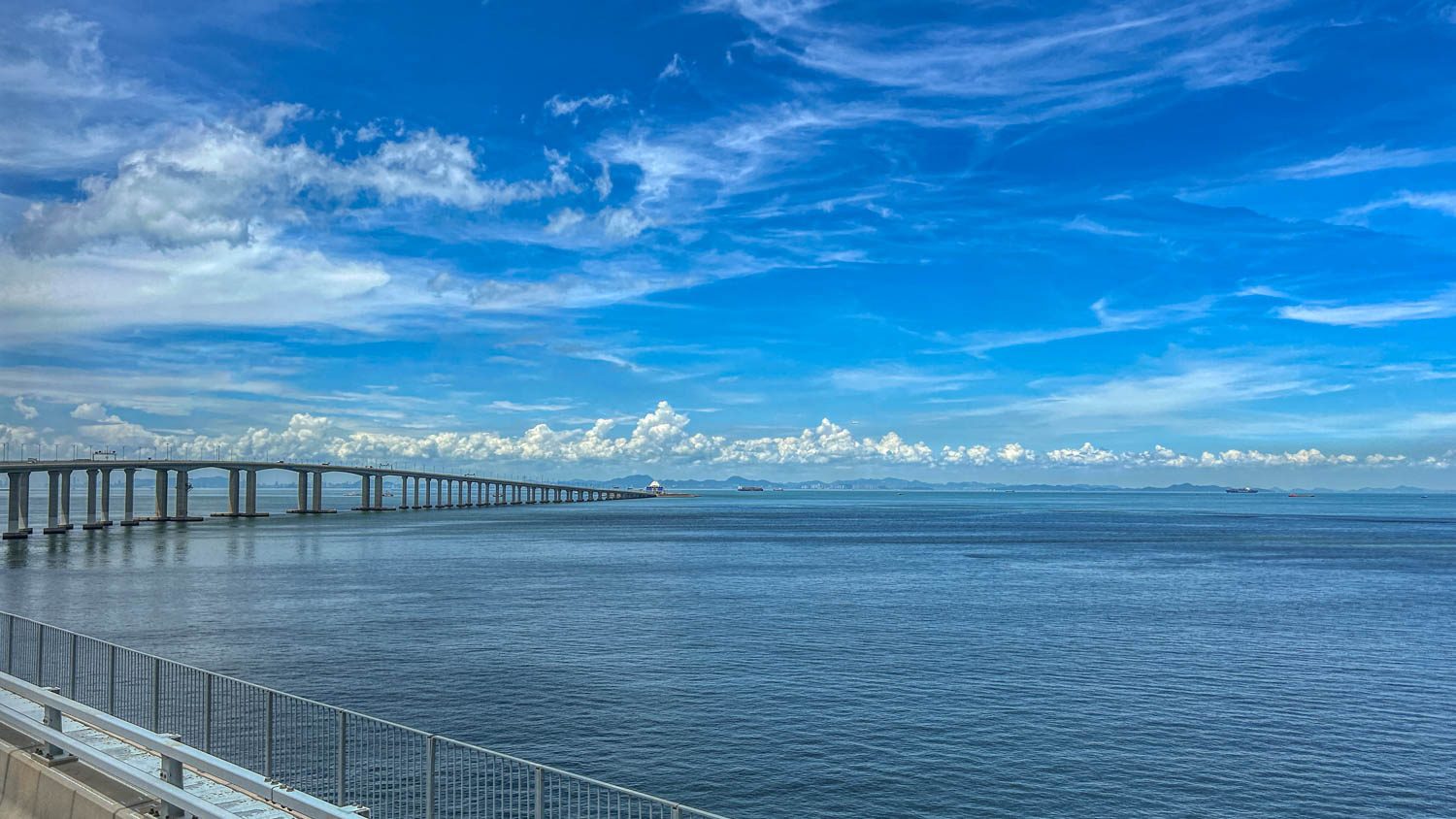
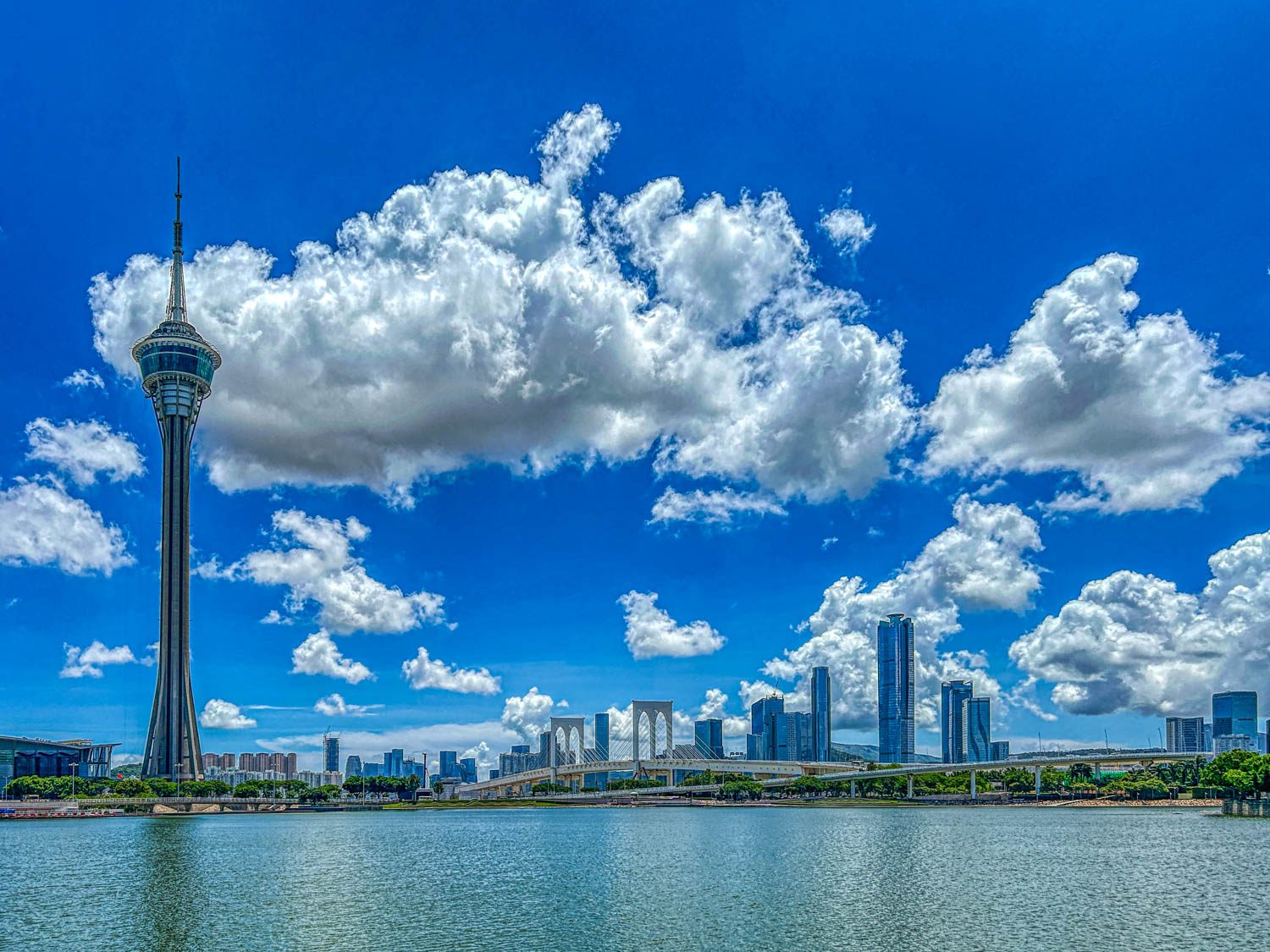
To move from Hong Kong to Macau, I decided to take a bus, just because I wanted to travel on the Hong Kong-Zhuhai-Macao Bridge. It's actually a system made of three bridges, an undersea tunnel, and four artificial islands, all connecting Hong Kong to Macau, with a total length of 55 km. And it's beautiful too.
The currency in Macau is the pataca, the best name for money I've seen. It has precisely the same value as the Hong Kong dollar, and every shop accepts either currency.
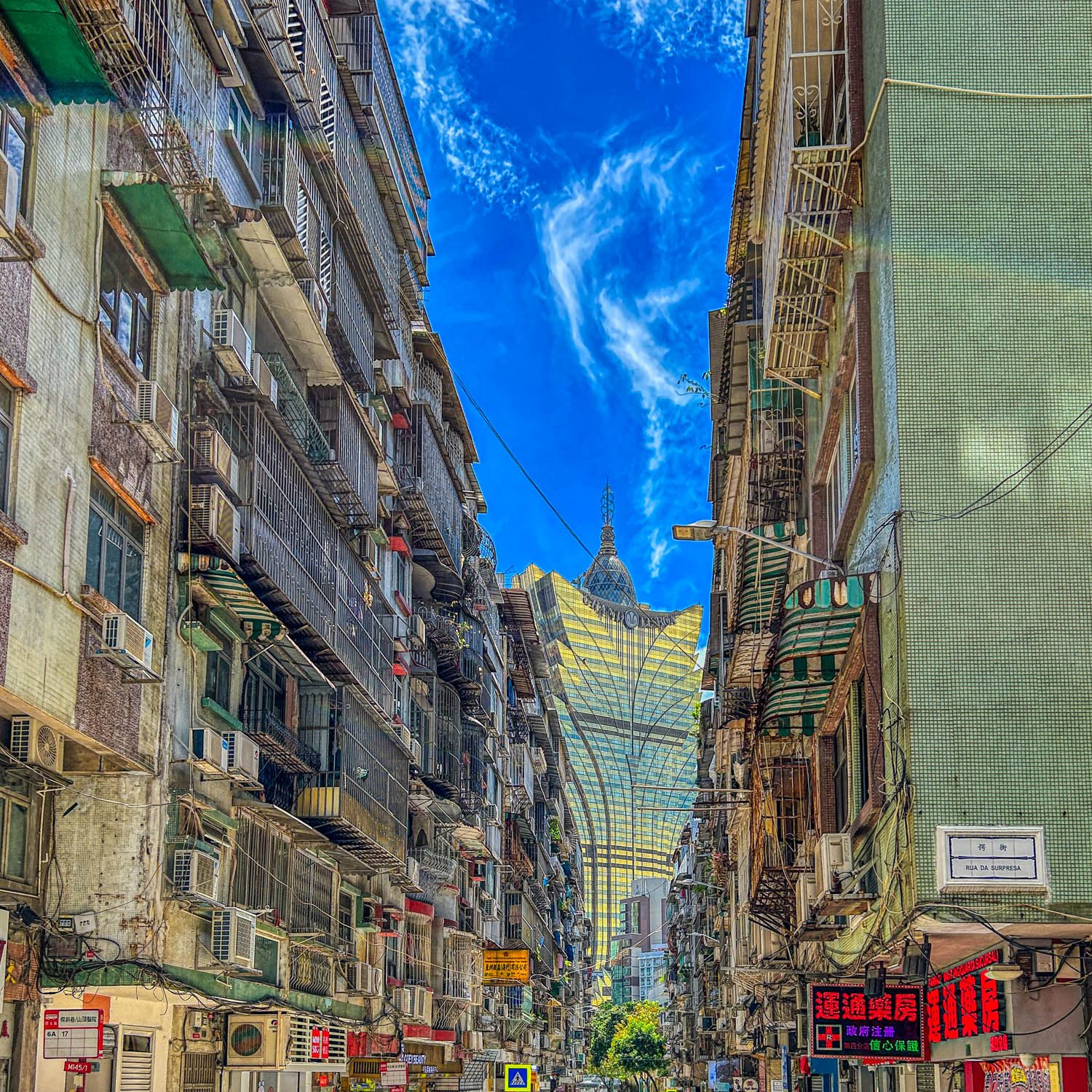
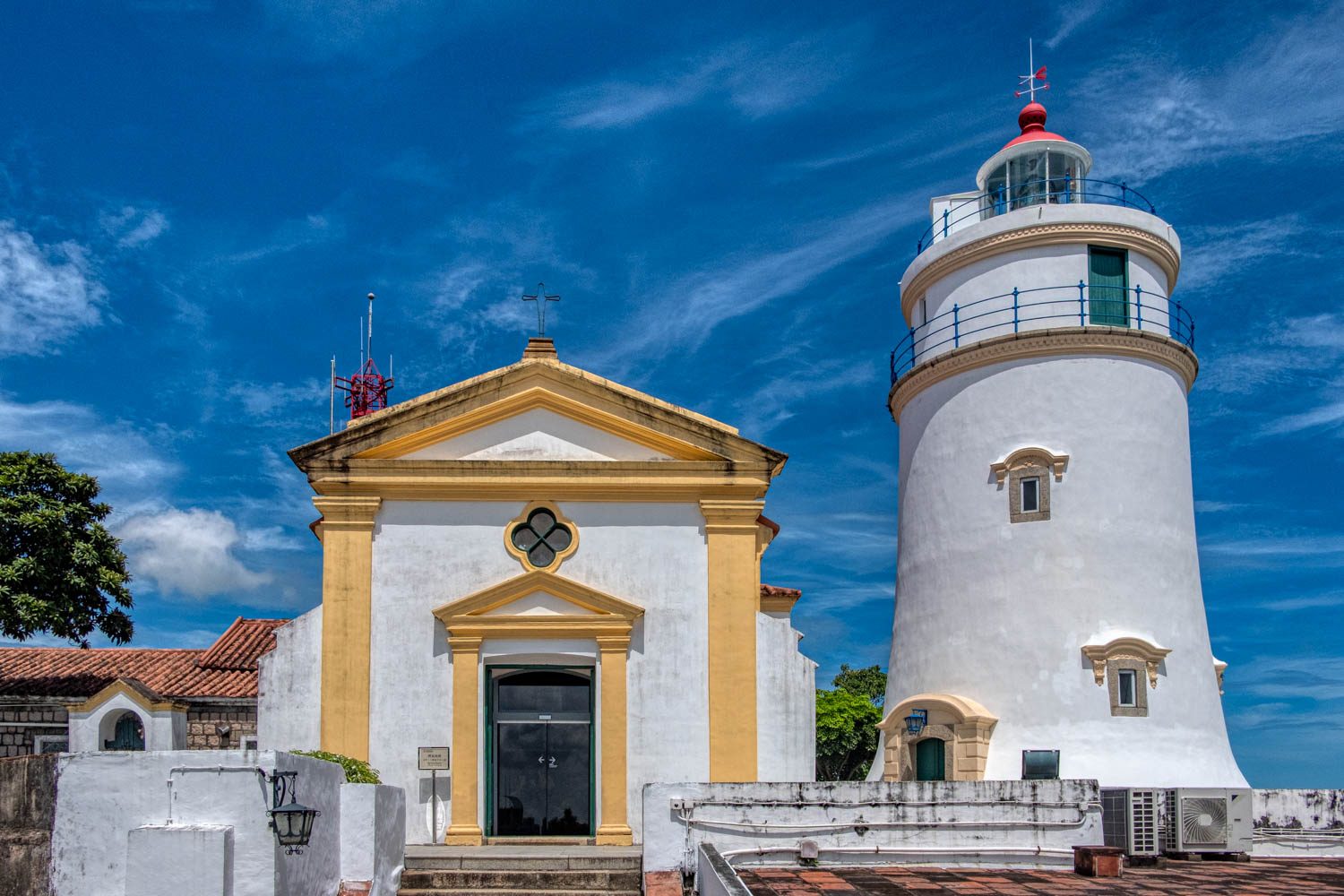
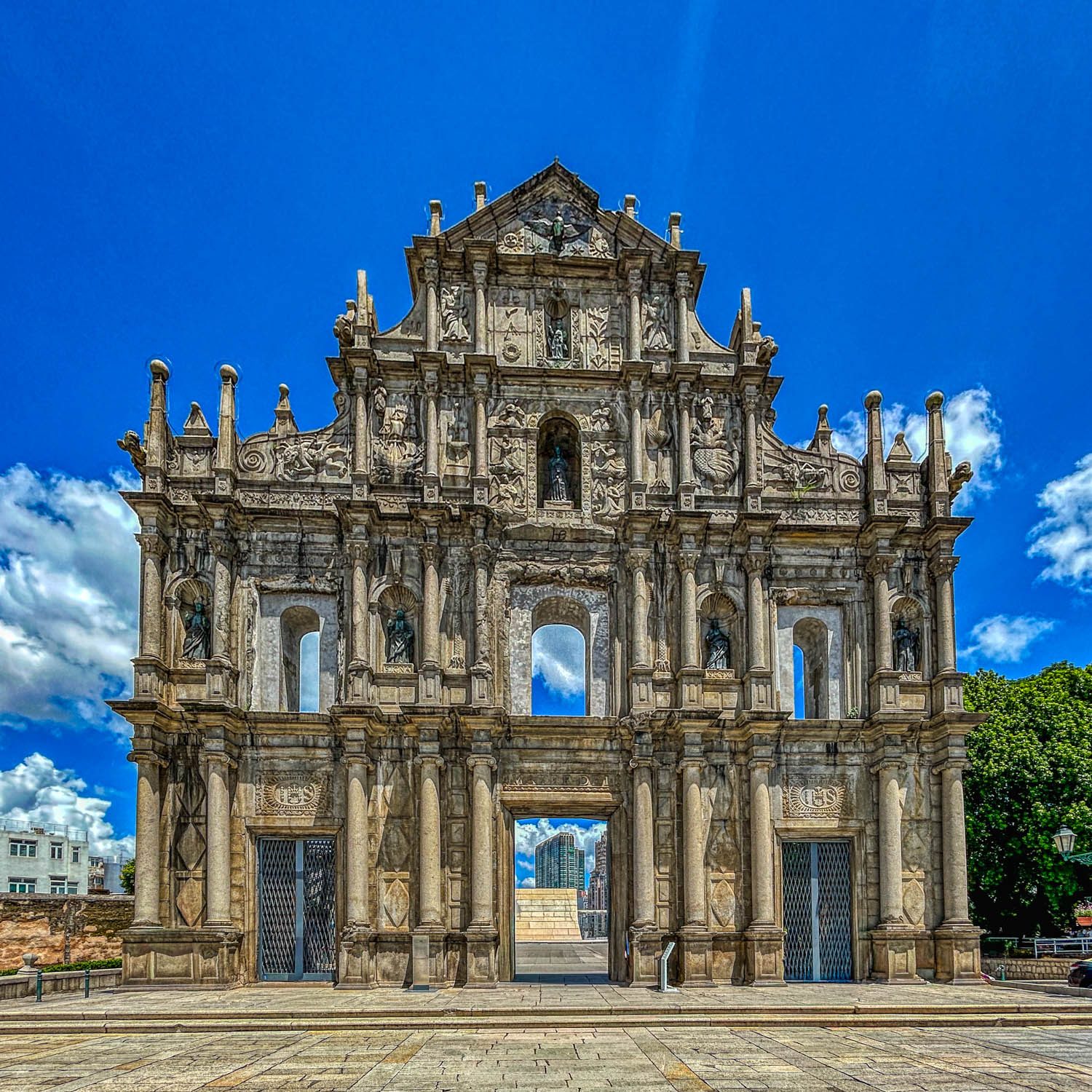
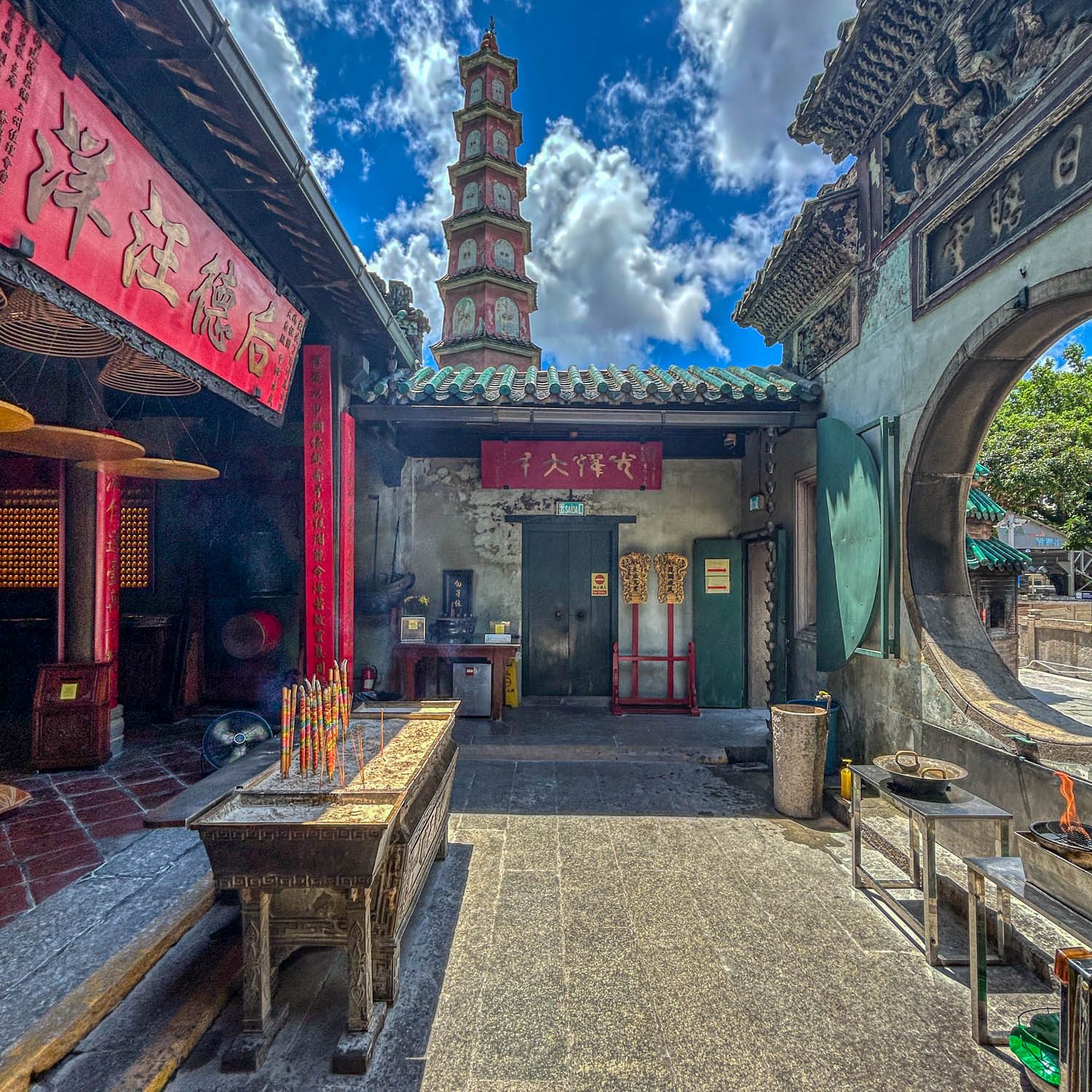
I walked a lot, exploring the whole Macau Peninsula on foot. I didn't go to Taipa Island to the south, and stayed in the peninsula, which is the oldest and most populous part of Macau.
And the food?
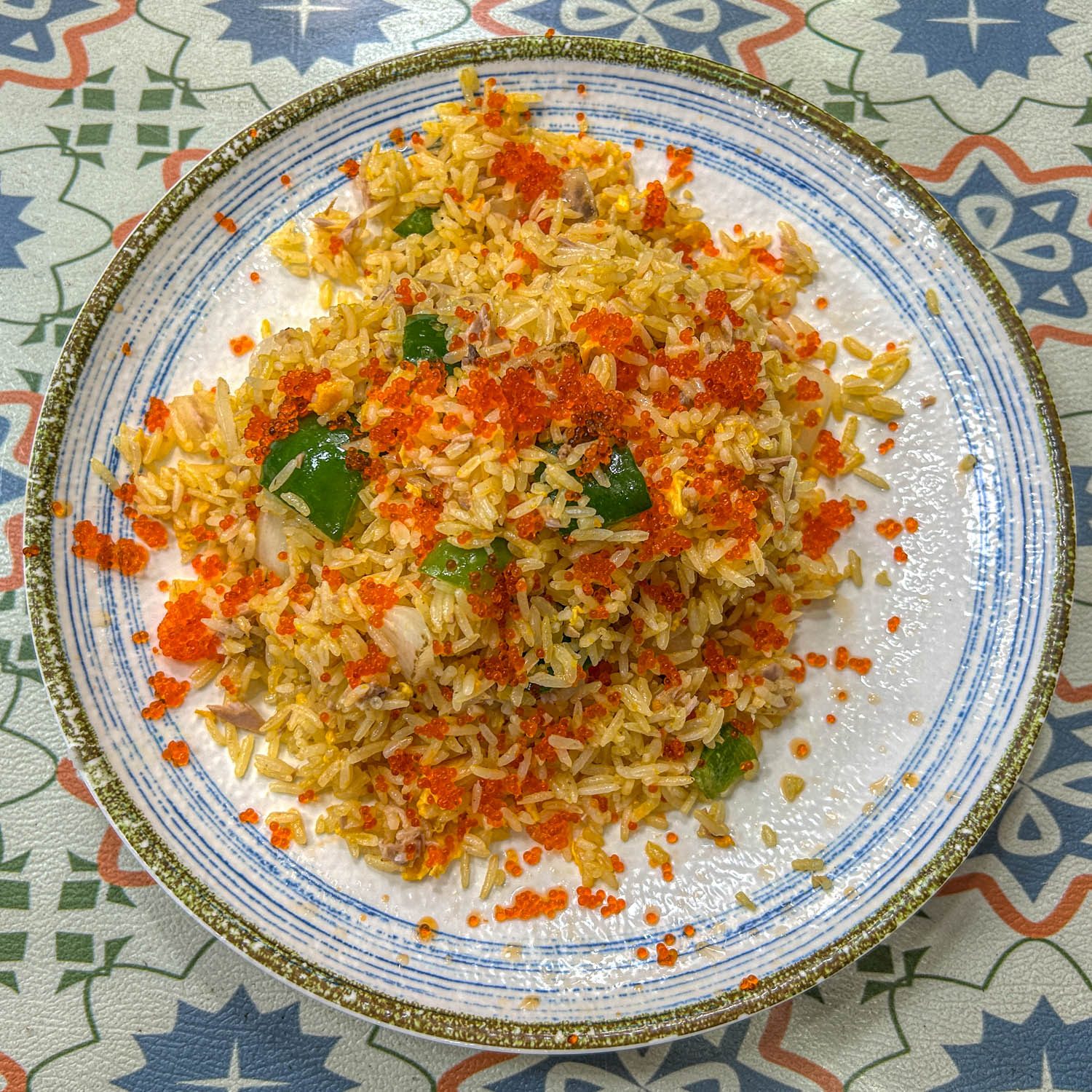
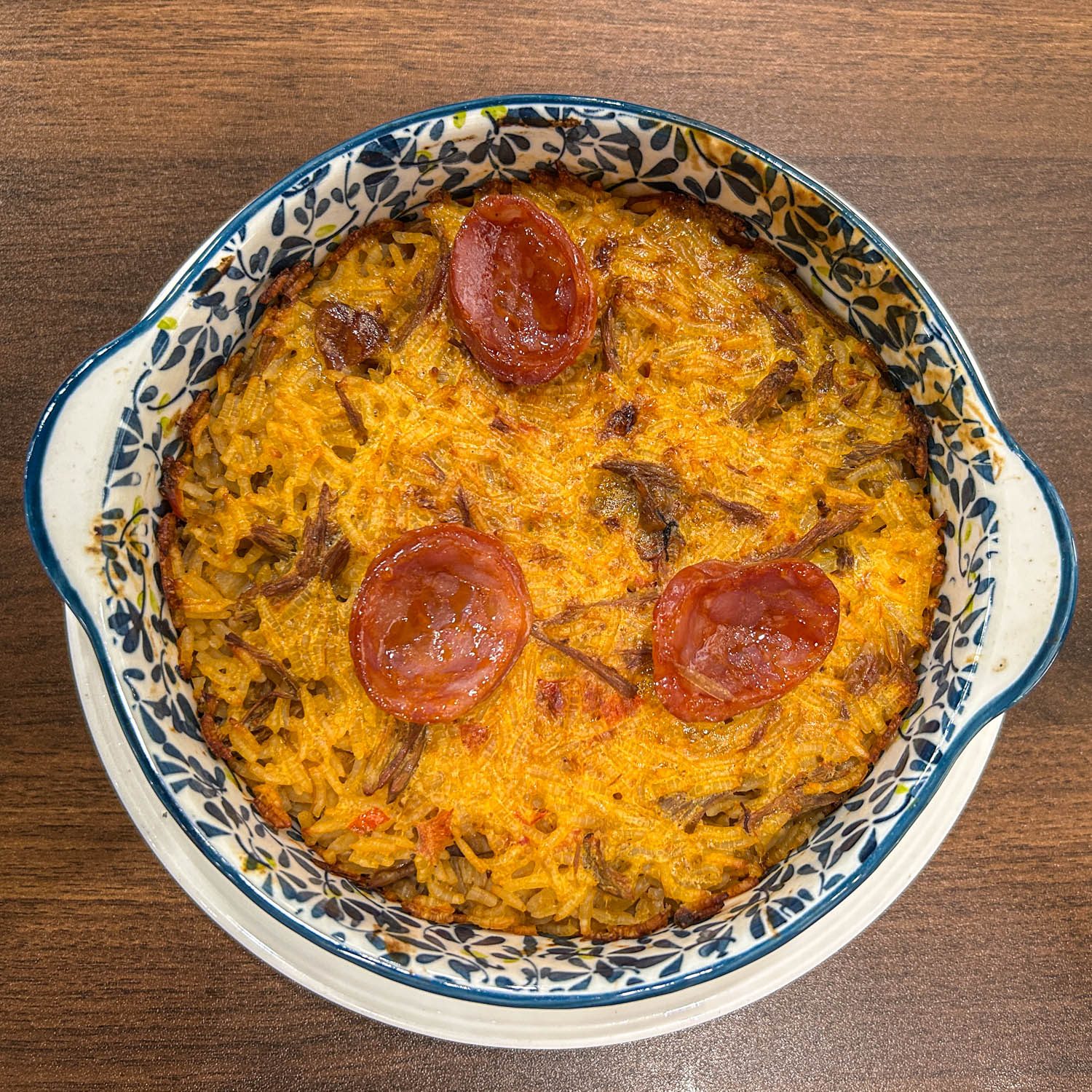
In Macau, you can find both Chinese food, similar to what is available in Hong Kong, and Portuguese food, which fortunately is one thing they preserved from colonial times (unlike the language). Their most famous dessert is the Portuguese egg tart, the same pastry tarts filled with creamy custard that you find in Portugal by the name "pastel de nata". I ate some Chinese food (the best one was salmon and crabmeat fried rice) and some Portuguese food (the baked duck rice was easily the best meal I had since I left Japan, just like the original arroz de pato ao forno I used to eat in Lisbon, and I also had the traditional bacalhau à Brás).
Wrapping up
I started this trip with the idea that Hong Kong and Macau would be very different places, with their specific cultures shaped by their colonial pasts. However, I now see them as just two facets of the same country, with Chinese culture dominating daily life on both sides of the Pearl River Estuary.
Ten days were enough for me to see what I wanted to see, and I'm glad I visited both places. But I don't think I would enjoy living around here, because of some of their cultural habits. I'm sure this is all fine for the locals, but for me it was something that didn't make my days better. I will list a few things, from the mildest to the worst. First, you don't get your own table at restaurants, you have to sit with strangers. I'm not talking about large communal tables like it's common in some places, but a table for two, you on one side and someone you've never seen before right in front of you. You may get lucky and meet a nice person to have a conversation (if you speak Chinese), or you can get that guy who chews on a chicken foot with his mouth open. Second, people on the street try to walk through you. It's like they deliberately set a path of collision and expect you to somehow get out of the way. They will bump into you, and sometimes they will actually push you out of the way. That didn't happen just to me, they do it to each other all the time. Third, people spit on the sidewalk. I'm not talking about some quick and innocent emission of saliva. No, they noisily scoop the thickest, most viscous substances found in their mucous membranes, and project them away like little sins that need to be expelled from their bodies and shared with the community, leaving that monumen to to gunk on the sidewalk. Things like that erode my quality of life. Anyway, at least both Hong Kong and Macau have free museums. It's something, isn't it?
And after China?
Well, I'm already living in Manila, the capital city of the Philippines. But that, as you know, is a story for another time. Mabuhay! (That's a Filipino greeting meaning something like "long live!", similar to the Hawaiian "aloha".)