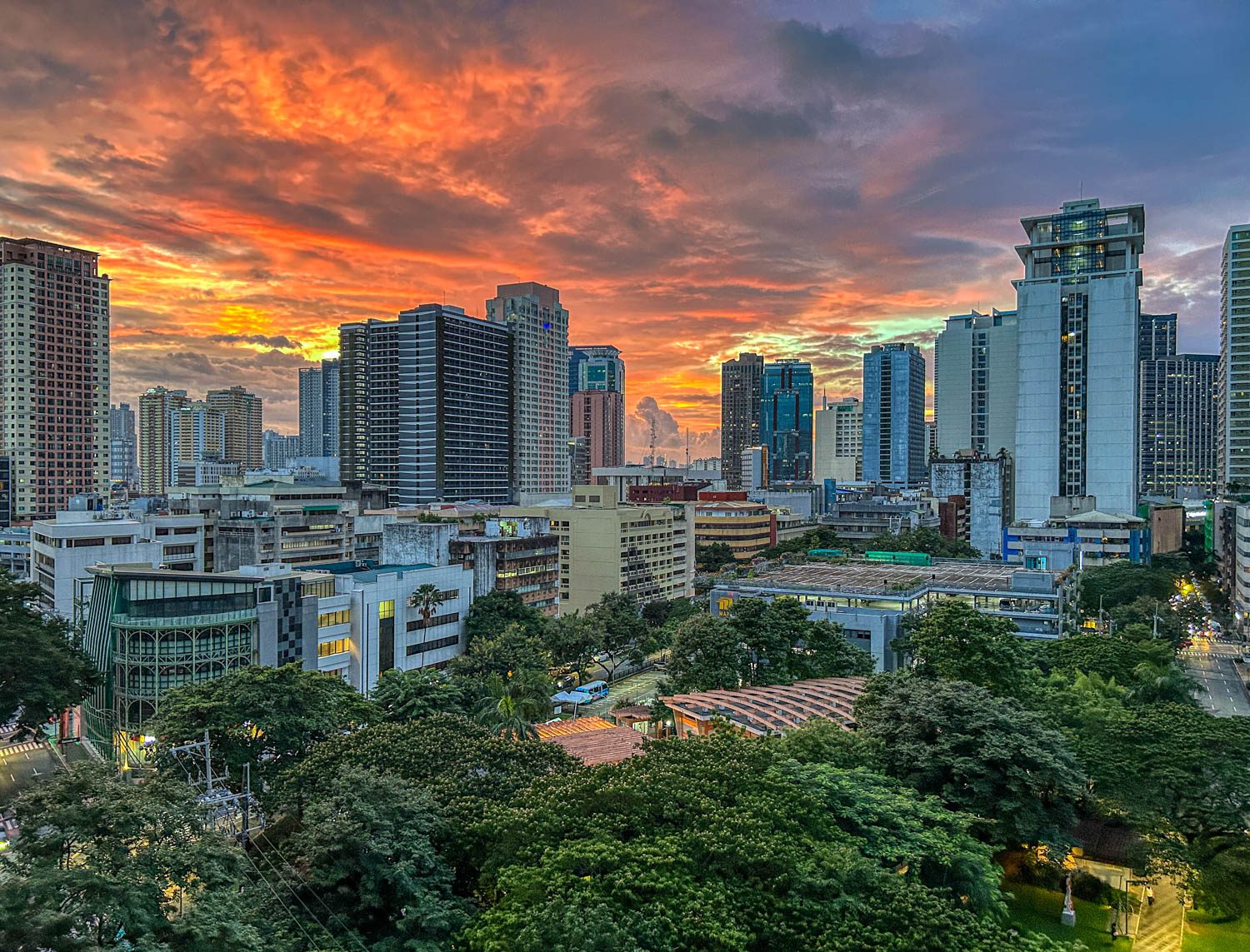
After three very active months in Japan, followed by ten busy days in Hong Kong and Macau, my plan for the Philippines was to slow down and relax. And that's precisely what I did. The weather also contributed to my decision to stay home most of the time, as I had rain during about three of the four weeks I was in Manila.
The City of Manila is the capital of the Philippines. However, it is surrounded by fifteen other large cities, all of which are connected into one big megalopolis. Therefore, when people say "Manila", they are usually referring not to the actual City of Manila but to Metropolitan Manila, this urban monstrosity of fourteen million people. I rented an apartment in one of these cities, Makati, known for its skyscrapers (138 buildings taller than 100m) and upscale shopping malls.
My 9th-floor apartment has a little balcony with a view of a park full of trees. There's a large shopping center a couple of blocks away, with a good variety of restaurants. This area is actually an oasis of civilization in Metropolitan Manila, because most of the other places I visited in the region look uninhabitable. Broken down houses and buildings, damaged sidewalks full of street vendors, and dirty streets with insane traffic.
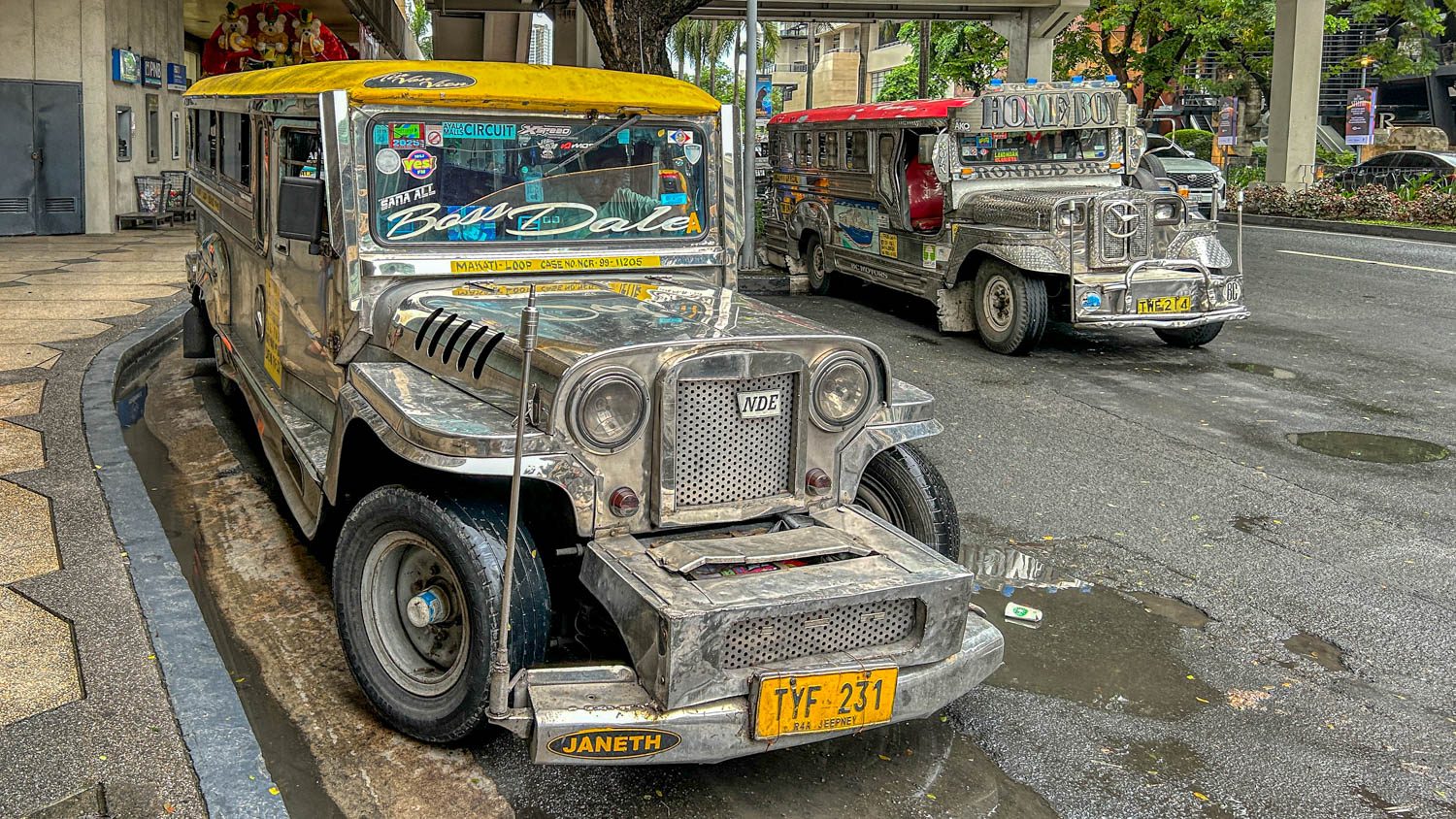
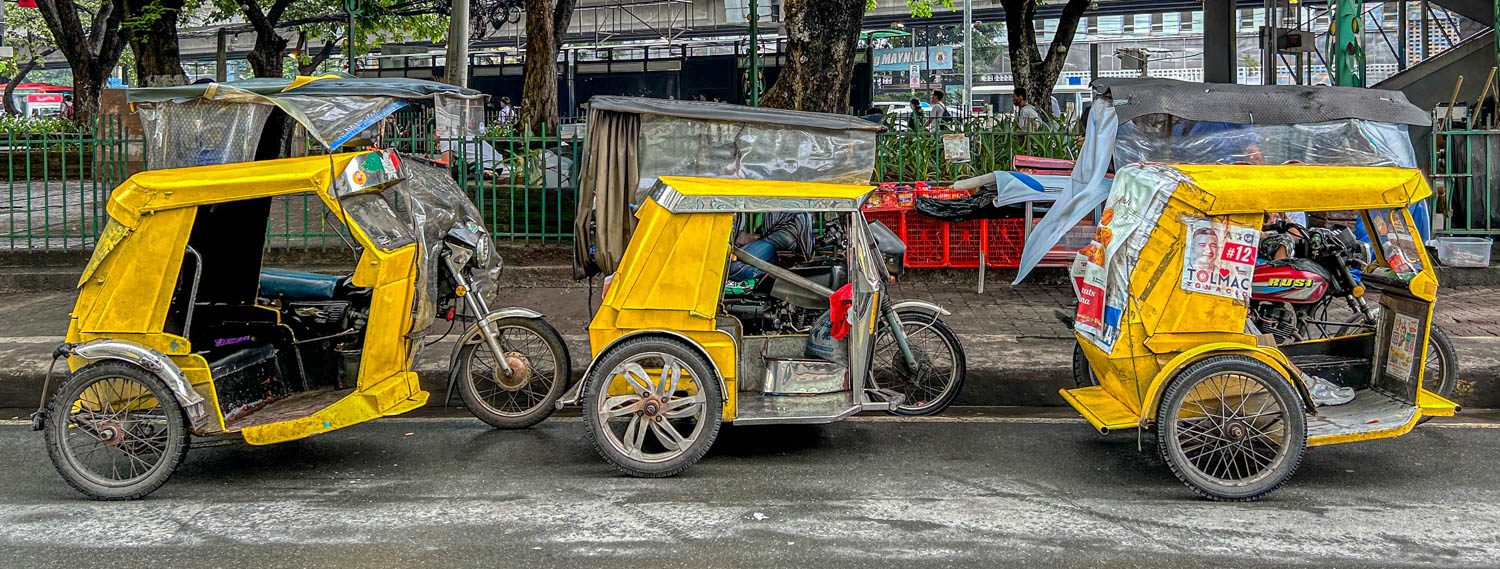
Filipino English has some unique expressions. In a restaurant in the USA you would say "check, please", and in the UK you would say "the bill, please", but here you say "bill out, please". Also, here you don't turn the light on or off, instead you "open the light" or "close the light".
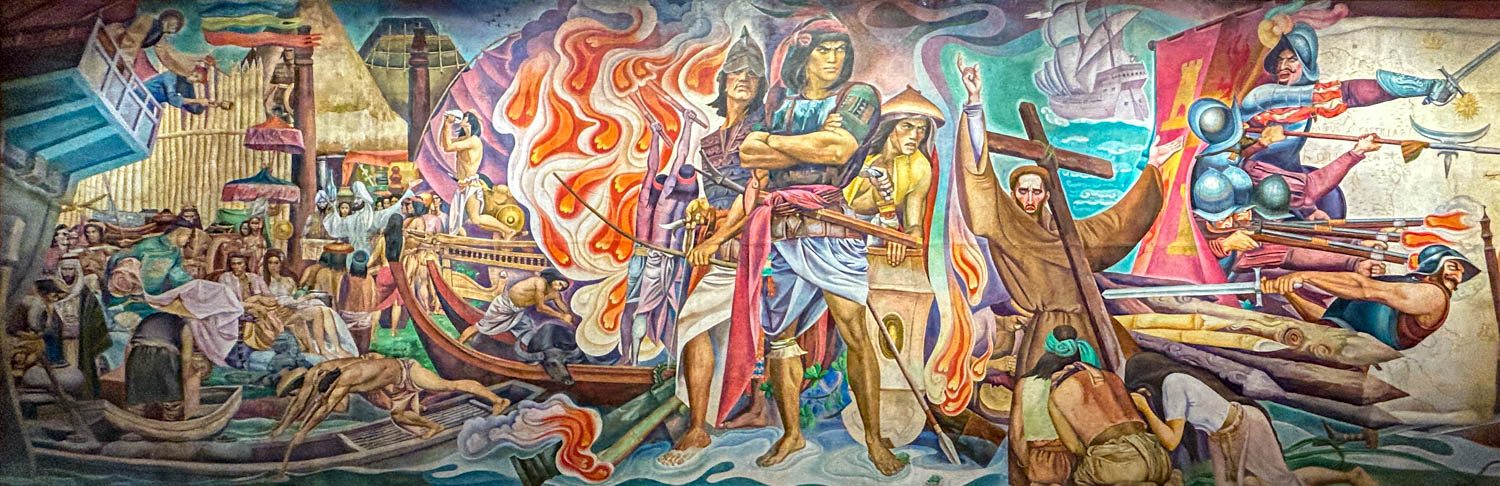
I visited a few good museums. The Ayala Museum, located inside the Greenbelt Shopping Mall, was probably the best, with several interesting permanent exhibitions. Gold of the Ancestors showed pre-colonial treasures from the Philippines (it has more gold objects than the whole Museo del Oro in Costa Rica). There were also exhibits of ceramics and textiles, as well as works by Fernando Amorsolo (a painter of portraits and landscapes, known as the "Grand Old Man of Philippine Art") and by Fernando Zóbel (a Filipino abstract painter). But the star of the museum is The Diorama Experience of Philippine History, which chronicles Filipino history in sixty very well-made dioramas. I also went to the National Museum of Fine Arts (some great Filipino art, including works by Botong Francisco, Nunelucio Alvarado, Vicente Silva Manansala, and, of course, Fernando Amorsolo), the National Museum of Anthropology (where I learned about Filipino history and geography), and the Yuchengco Museum (they had exhibitions about photography and high fashion shoes - yes, shoes).


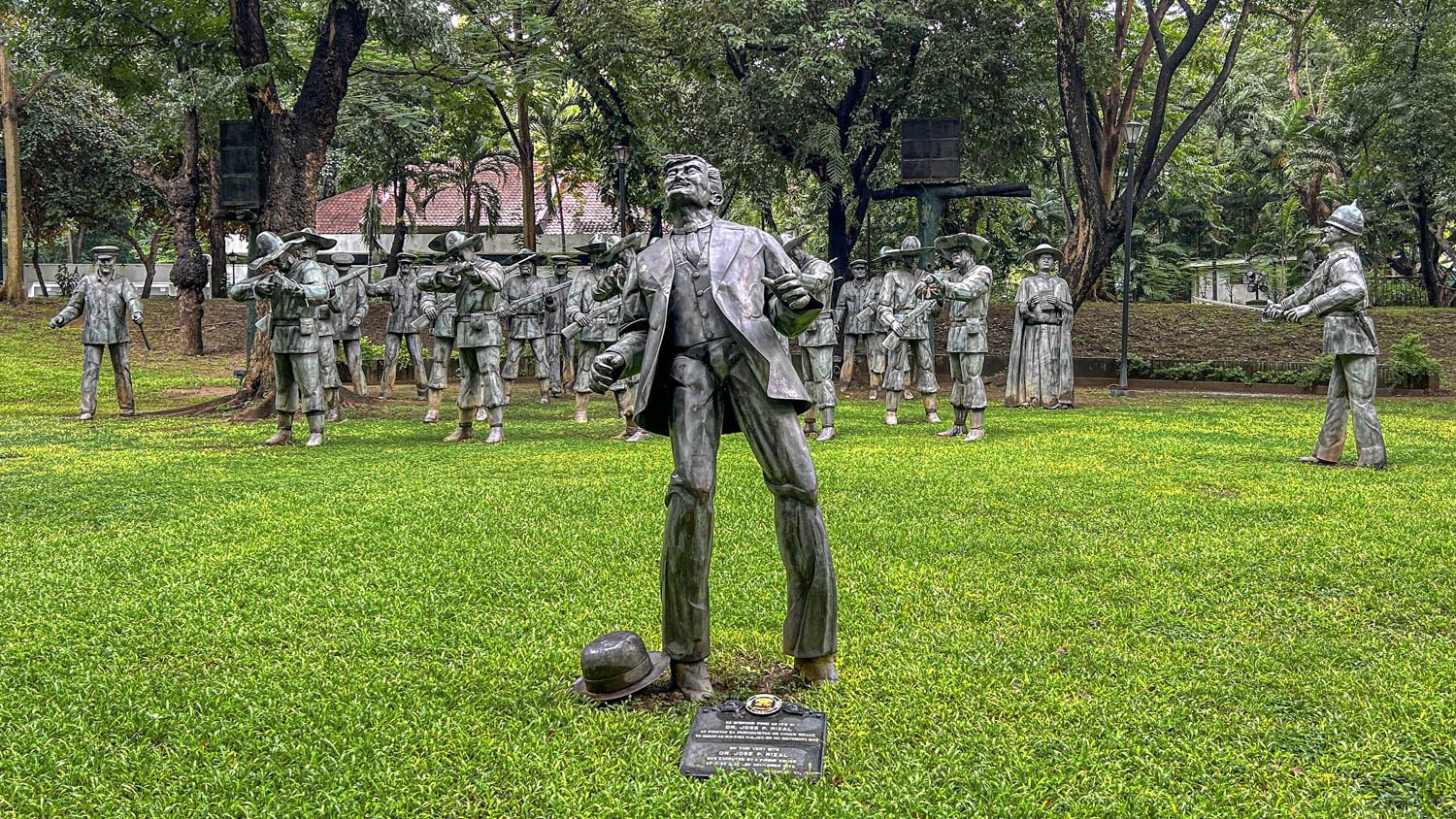
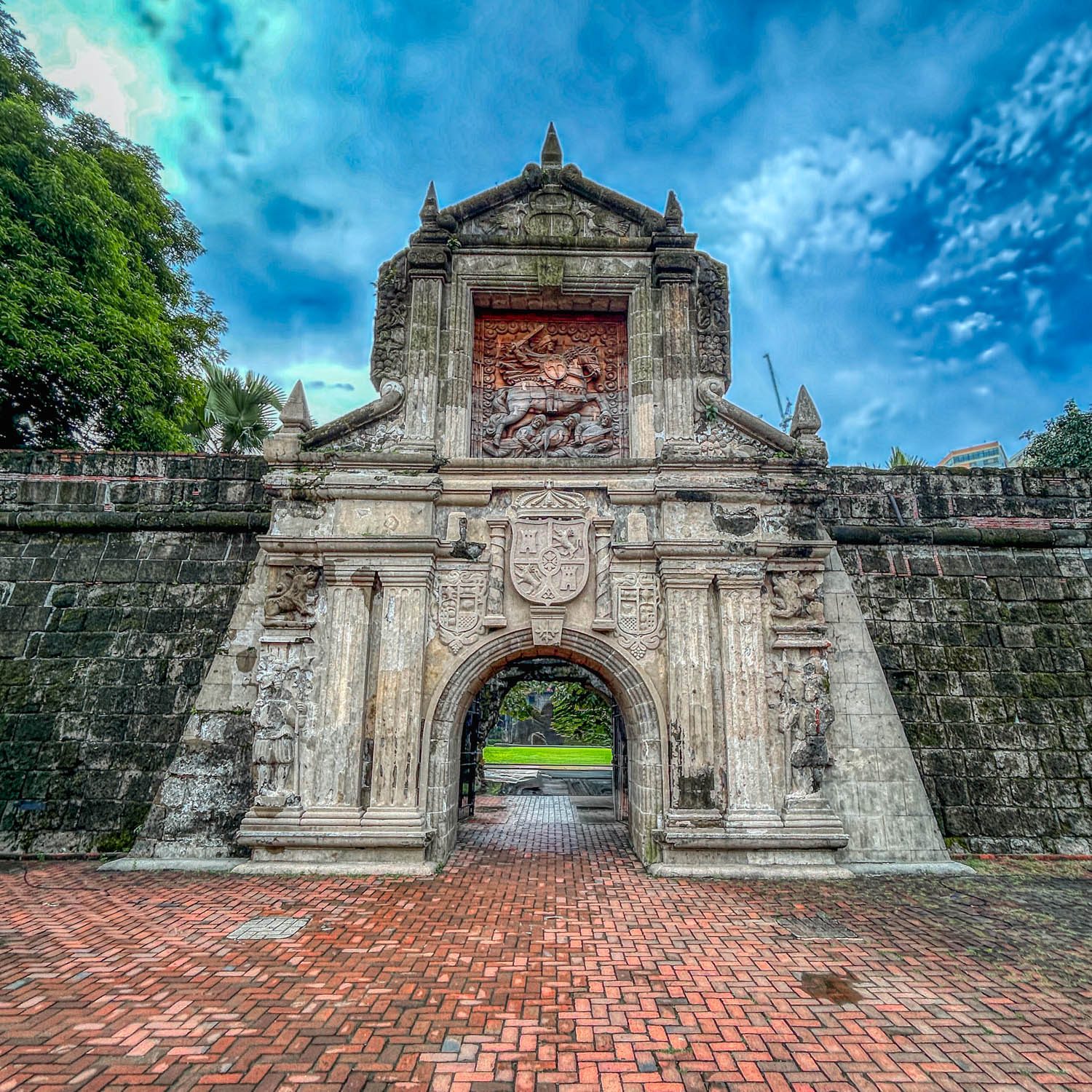
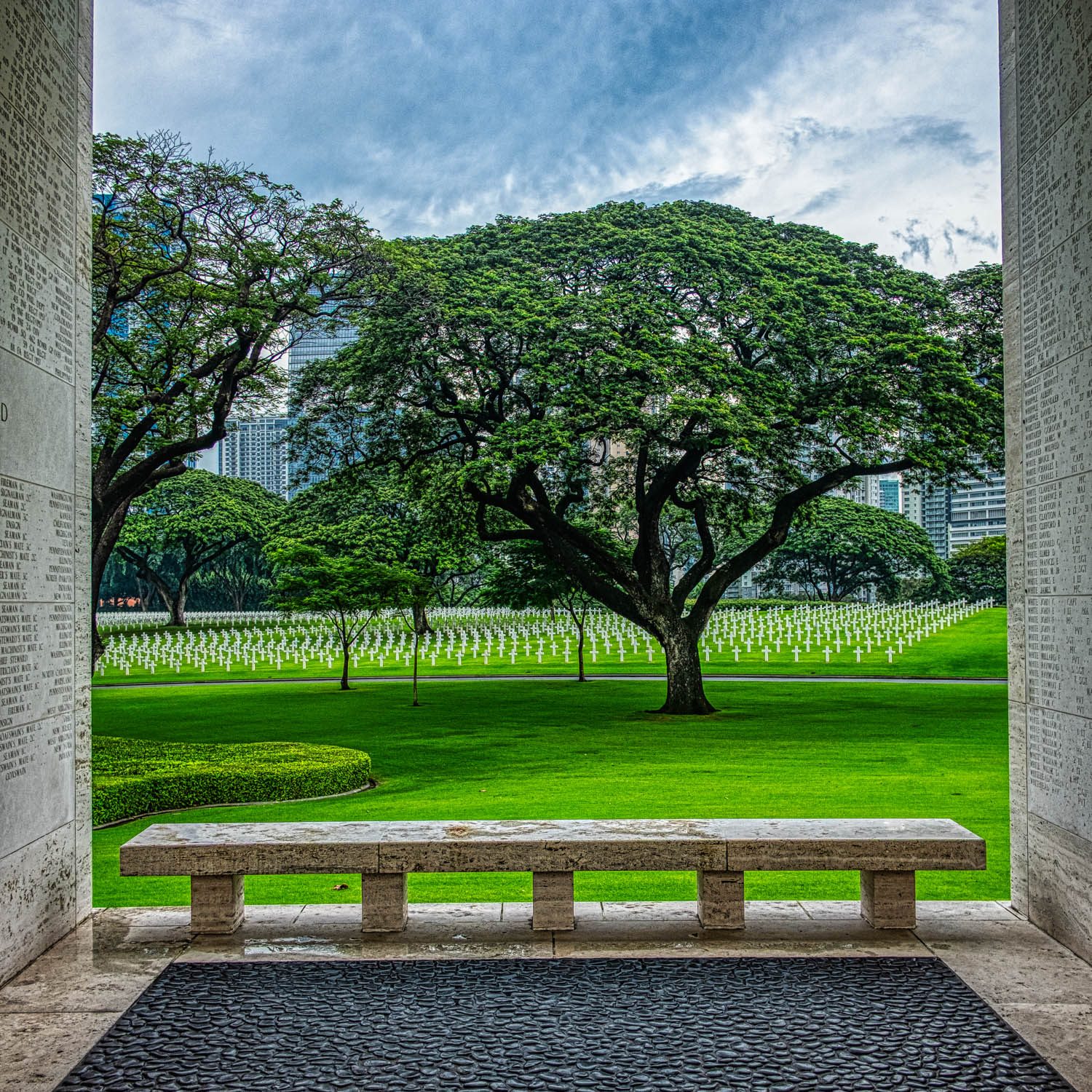
What about the food?
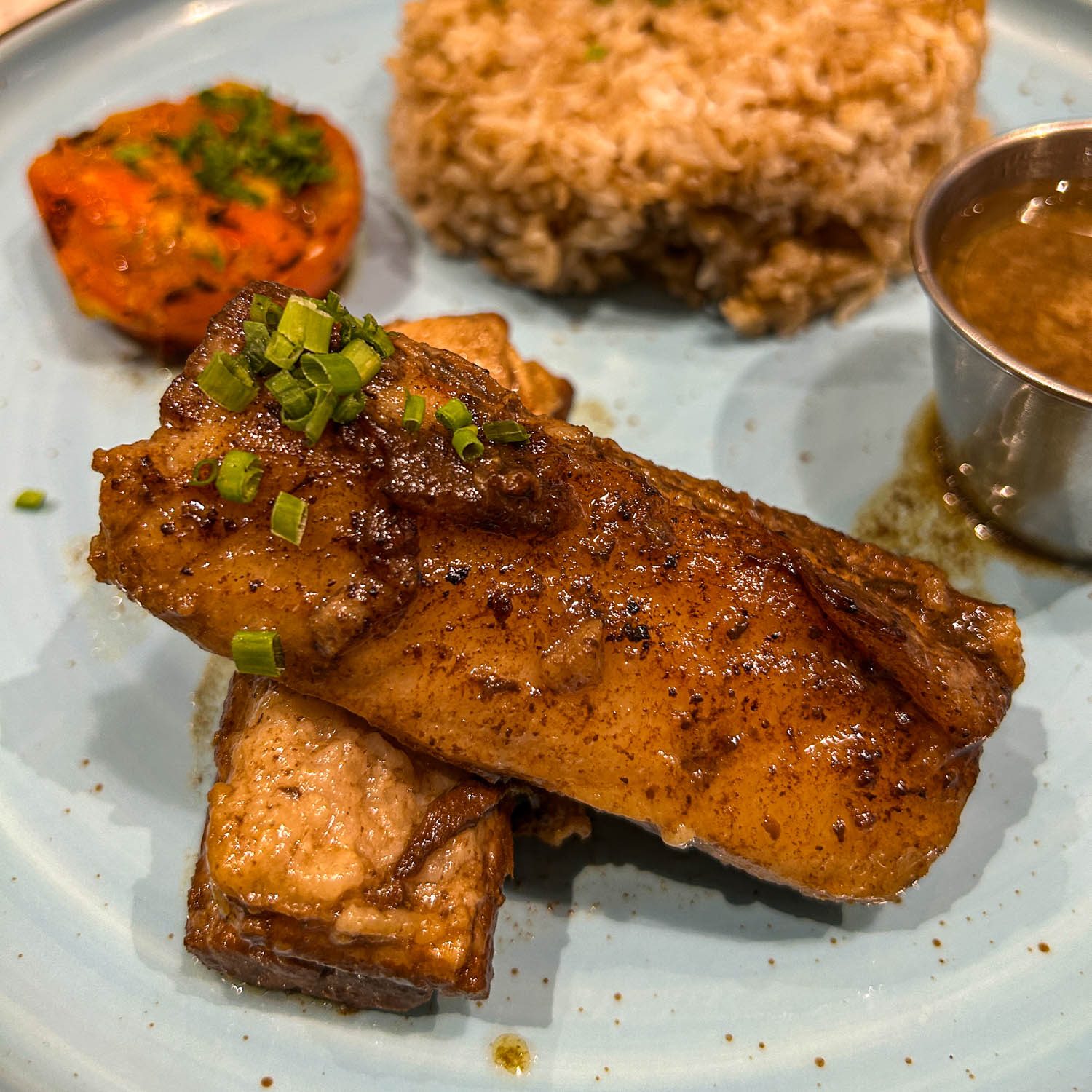
The national dish of the Philippines seems to be the adobo. It's not exactly a dish but a method of preparing food. The meat, typically pork or chicken, is partially fried in oil and then marinated in a mixture of vinegar, soy sauce, and garlic before the cooking is complete. Very yummy.
Spanish dishes are also typical here, in their local versions. I had a delicious paella campera, with the chicken grilled separated from the rice and the seafood, and then added to the mix with aioli. Not as good as the original Spanish paella, but still very interesting.
Japanese and Chinese restaurants are everywhere in Manila, and I had my quota of salmon teriyaki and shrimp fried rice. American-style barbecue is also common around here, often served with java sauce (a mixture of peanut paste, soy sauce, and cane sugar). Another popular Filipino sauce is banana ketchup, which is dyed red and has zero taste of banana.

Any side trips?
I went to Tagaytay, about 70 km south of Manila. When Ronald Reagan was scheduled to visit the Philippines in the early 1980s, dictator Ferdinand Marcos decided to build a mansion on Mount Sungay just to host him. Then the visit was canceled, and the construction was abandoned. Today, it's just a decaying structure, renamed from the original Palace in the Sky to People's Park in the Sky. The unfinished mansion has no interest, but the view from the top is worth the visit. From a height of over 700 m, you can see (when you're not surrounded by clouds) Taal Lake and Volcano Island at its center.

And after Manila?
This weekend I fly to Sydney, Australia, where I will stay for a month. But that's a story for another time. Cheers, mate!