
I would gladly stay in Tokyo for the whole three months, but I also wanted to see other places in Japan. So I spent one week in Osaka (approximately 2.8 million people), one week in Kyoto (approximately 1.5 million people), and one week in Nagoya (approximately 2.3 million people).
For periods shorter than one month, renting a hotel room is usually less expensive than getting an apartment. In Osaka, I was lucky to find an affordable apartment, but in Kyoto and Nagoya I lived the hotel life. That always sounds like a good idea when booking the hotel, but later I regret the decision (because we are not talking about lavish five-star accommodations but about rooms where sometimes it's difficult even to move around).
Osaka
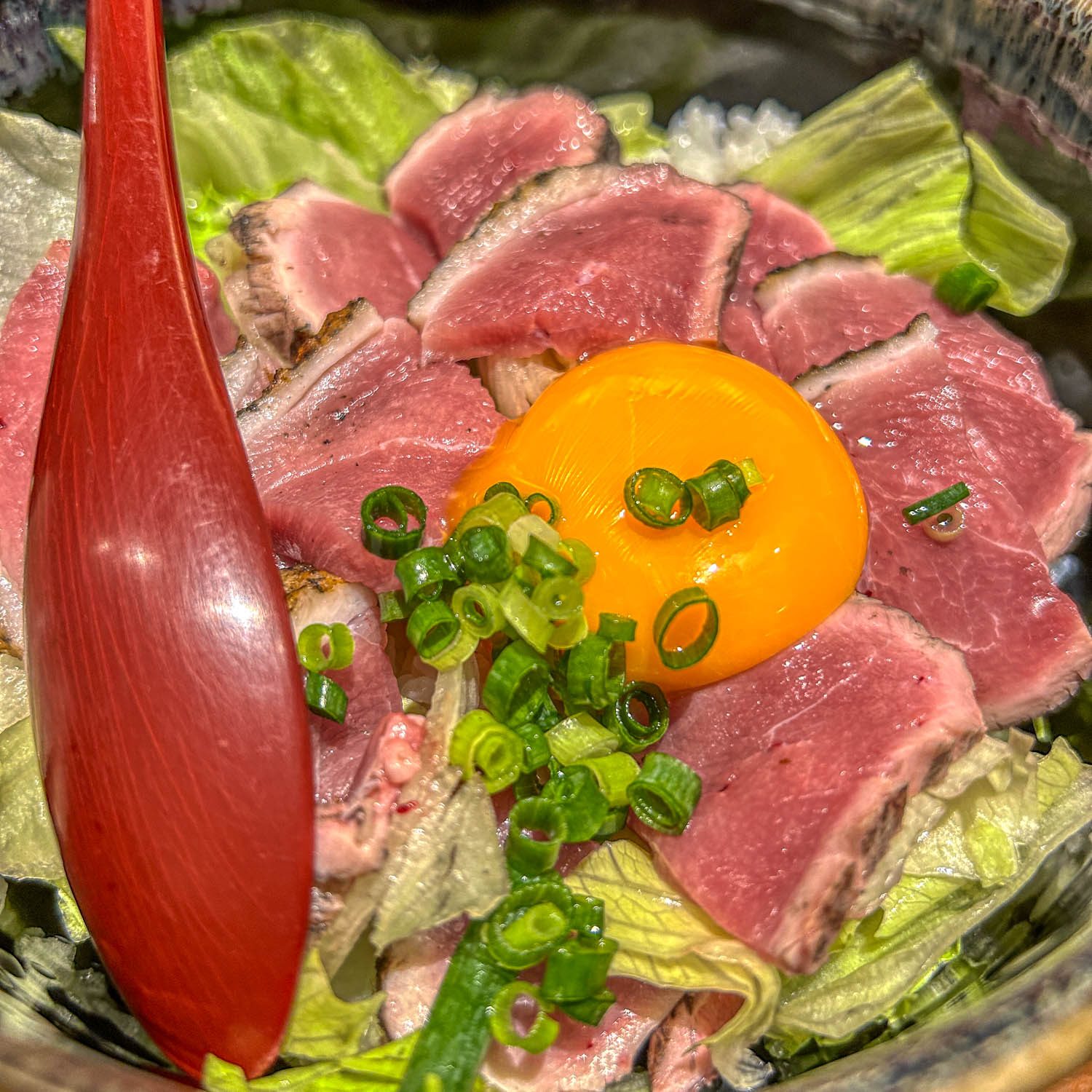
I rented an apartment close to the Osaka Castle. Right in front of the building, I found a restaurant specializing in duck. Kawachi-kamo is a duck grown in Matsubara, a city to the southeast of Osaka. That delicious duck became a traditional favorite around here. Of course, I had duck many times during my week in Osaka: sliced seared duck, fried duck tender, skewered duck with Japanese leek, duck sukiyaki, and duck stew.
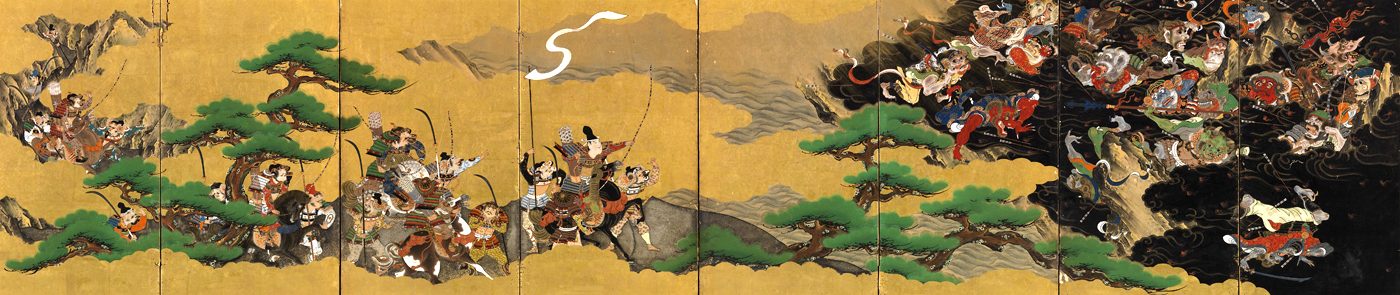
The Osaka Castle is pretty. The powerful daimyo Toyotomi Hideyoshi ordered its construction in 1583 and the castle was ready in 1597, just one year before he died. His son Toyotomi Hideyori became lord of the castle. In 1614, the other powerful daimyo, Tokugawa Ieyasu, attacked the castle and, after a long siege, managed to vanquish the Toyotomi clan, eliminating all opposition to his role of shogun. The structure was rebuilt several times over the centuries, with the current main tower, reconstructed in 1931 and later restored, serving now as a museum.
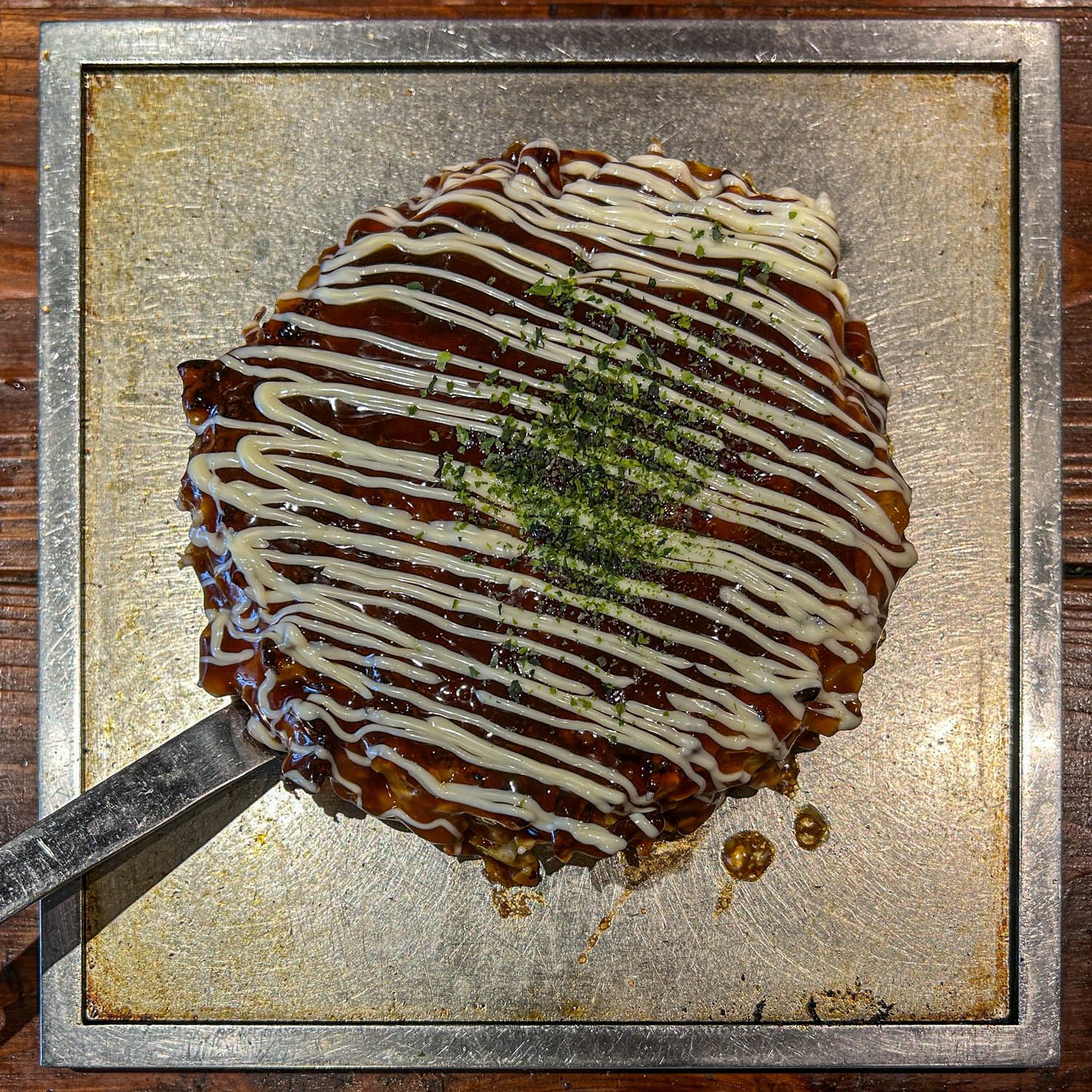
When I was not eating duck, I sampled other Osaka dishes. One that is very popular around here is the okonomiyaki, some sort of pancake made with flour mixed with grated yam, shredded cabbage, and bonito flakes, with some kind of animal protein added (beef, pork, squid, etc), and covered with the Japanese versions of Worcestershire sauce and mayonnaise. They also have delicious ramen in Osaka, the tonkotsu ramen, with the broth based on pork bones and boiled overnight.
Kobe
While staying in Osaka, I took one day to visit Kobe (approximately 1.5 million people), half an hour by train to the west. What better place to eat Kobe beef than Kobe?
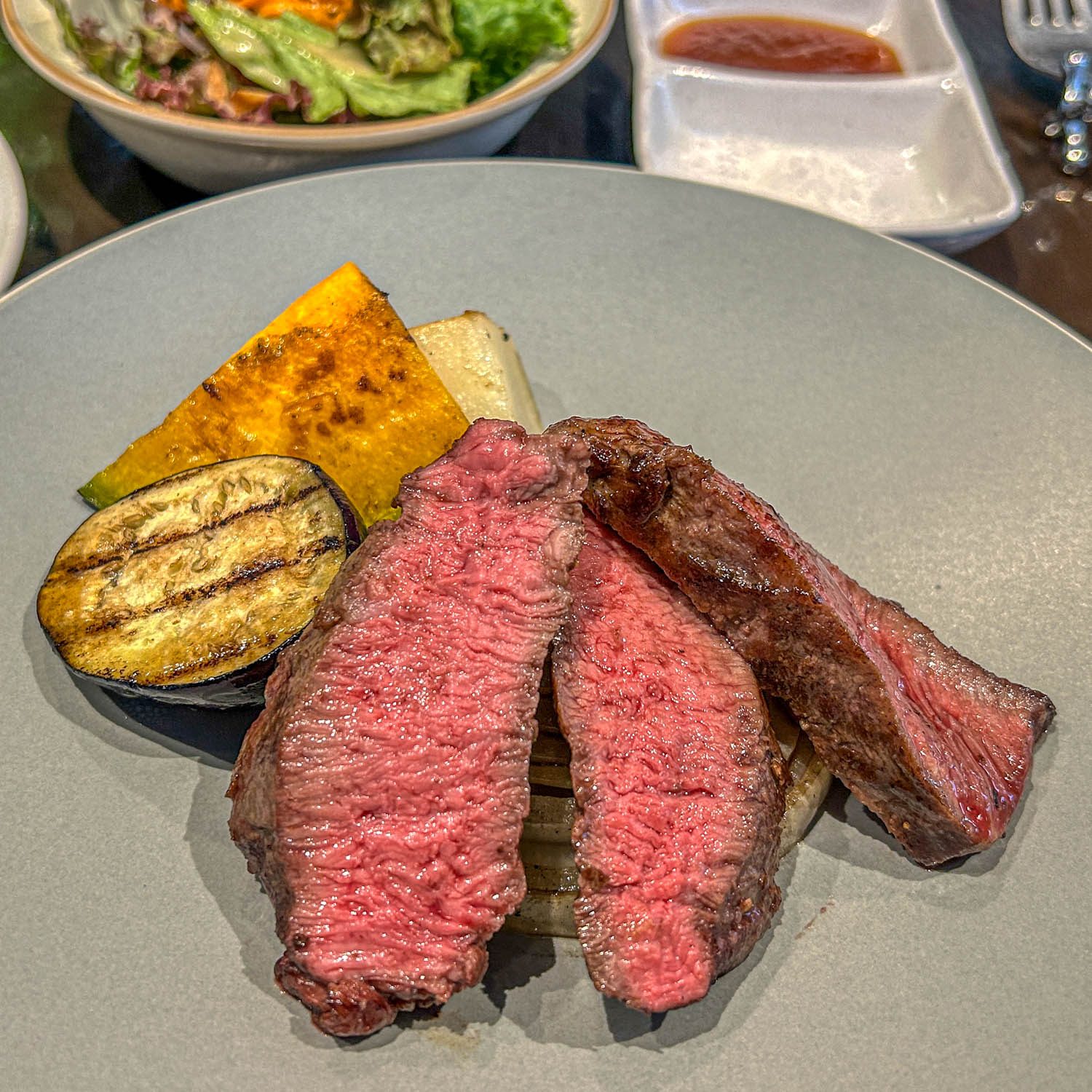
I looked for a place out of the usual tourist areas and found a little restaurant called Wagyu Jockey Kobe, where I ate a delicious Kobe beef steak with rice and grilled vegetables. Is it really that good? Yes, it is. The Kobe Beef Marketing and Distribution Promotion Association imposes a series of conditions for the meat to be certified as Kobe beef (Tajima cattle born and fed in the Hyōgo Prefecture, with a certain weight, marbling ratio, and a bunch of other things). In the end, only about 3,000 head of cattle qualify as Kobe each year, which explains the higher price. Grilled slowly, melting the marbling, you get a soft and delicious steak that is one of the best in the world.
Kyoto
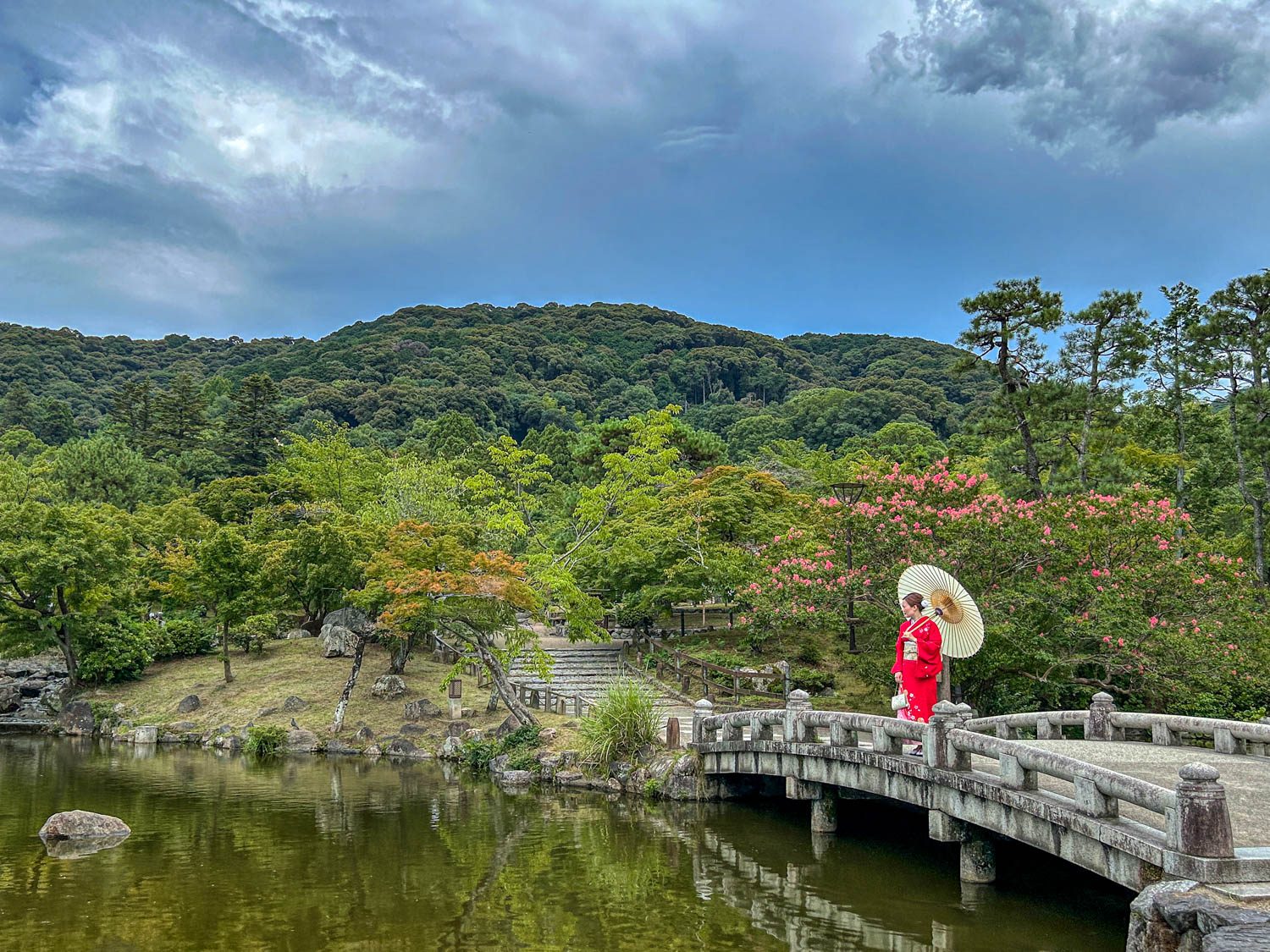
Kyoto has a unique mix of old and new. For example, the area where my hotel is located, Shijo, has vibrant modern commercial streets lined with department stores, fashion boutiques, and cafés, all with covered sidewalks. But if you keep walking to the east you get to Gion, a neighborhood full of traditional wooden townhouses (machiya) and narrow lantern-lit alleys. Unfortunately, anywhere you go, you will find hordes of tourists in your way.
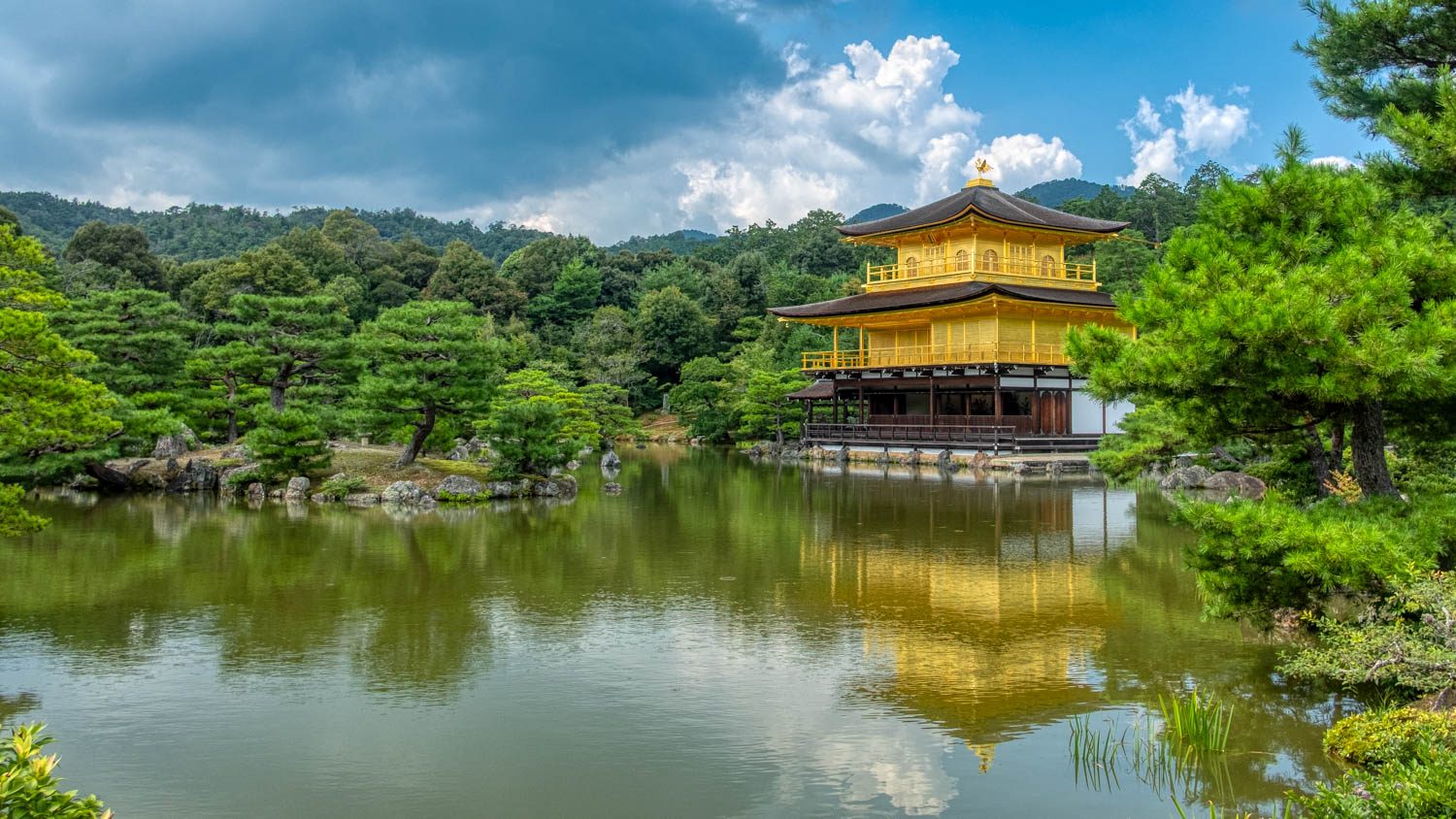
The east side of Kyoto boasts an impressive number of temples, most of which are crowded with tourists. I saw a couple of them (Yasaka Shrine and Heian Jingu Shrine), but I lacked the motivation to walk all the way up to the famous Kiyomizu-dera, only to be surrounded by people and unable to even photograph the place.
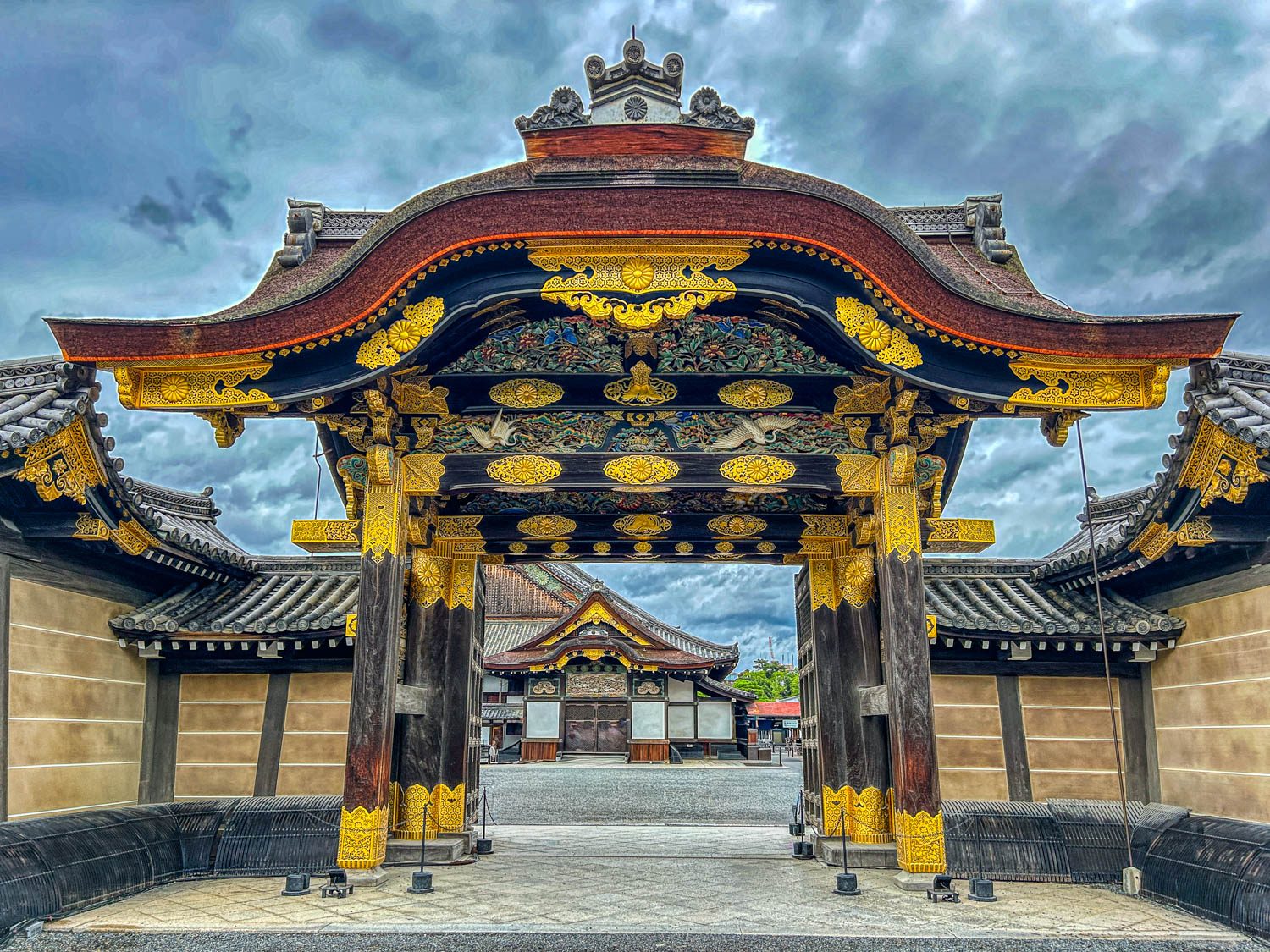
A few blocks away, there's a much more interesting historic building, the Nijo Castle (and you can go inside it). It was built to be the Kyoto residence of the Tokugawa shoguns, close to the official Imperial Palace, while the de facto capital was in Edo. In 1603, it was from here that Ieyasu Tokugawa announced his appointment as shogun. It was also from here that he launched his attack on Toyotomi Hideyori, his last opponent, in the famous Siege of Osaka. And two and a half centuries later, in 1868, it was also here that his descendant Yoshinobu Tokugawa announced the end of the Tokugawa shogunate and the restoration of the Emperor as the true leader of Japan.
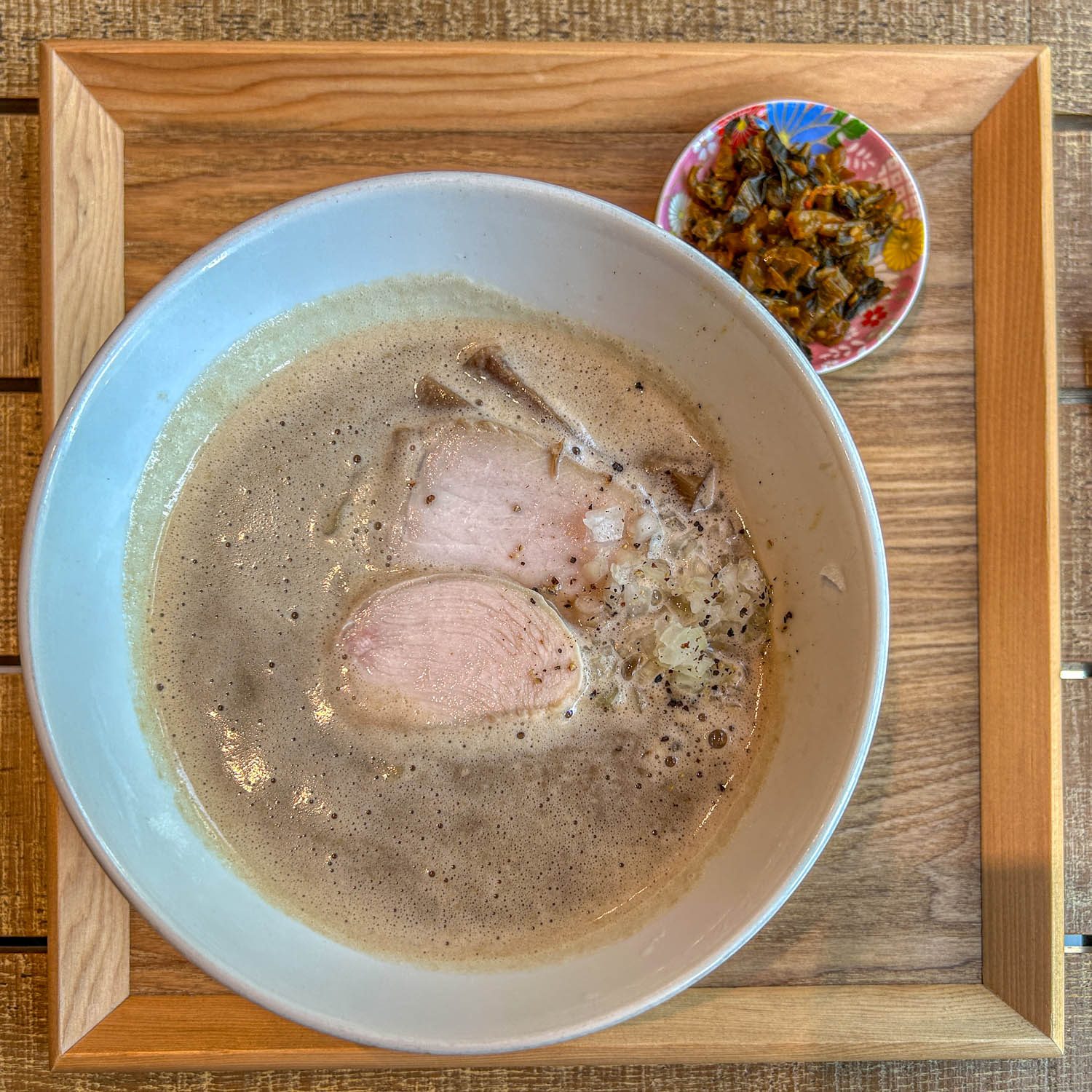
I also have to say that in Kyoto I ate one of the best ramen bowls I ever had. The broth was based on pork bones (tonkotsu), boiled for many hours until a creamy foam was created. Served with thick local noodles, that was some rich and delicious ramen bowl.
Nara
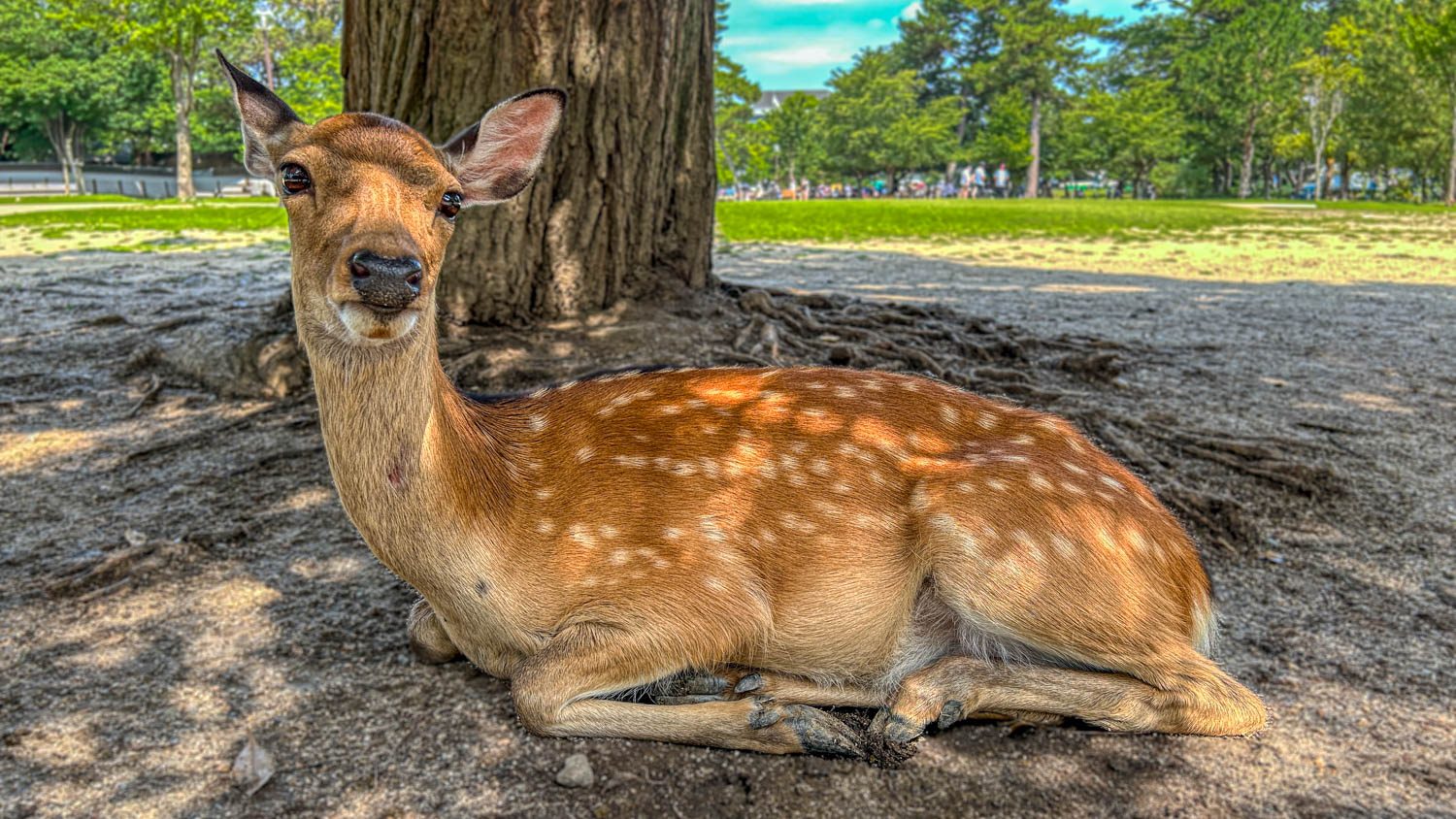
While staying in Kyoto, I took one day to visit Nara (approximately 370 thousand people), forty-five minutes by train to the south. I mainly stayed in the Nara Park area, seeing temples (Kōfuku-ji, Tōdai-ji, Kasugataisha) and deer (there are over a thousand of them, and they are extremely tame). I also visited the Nara National Museum, which had an interesting exhibition called Voyage Around the World: Heritage of Beauty and Wonder, with more than two hundred pieces from early civilizations across the globe.
Uji
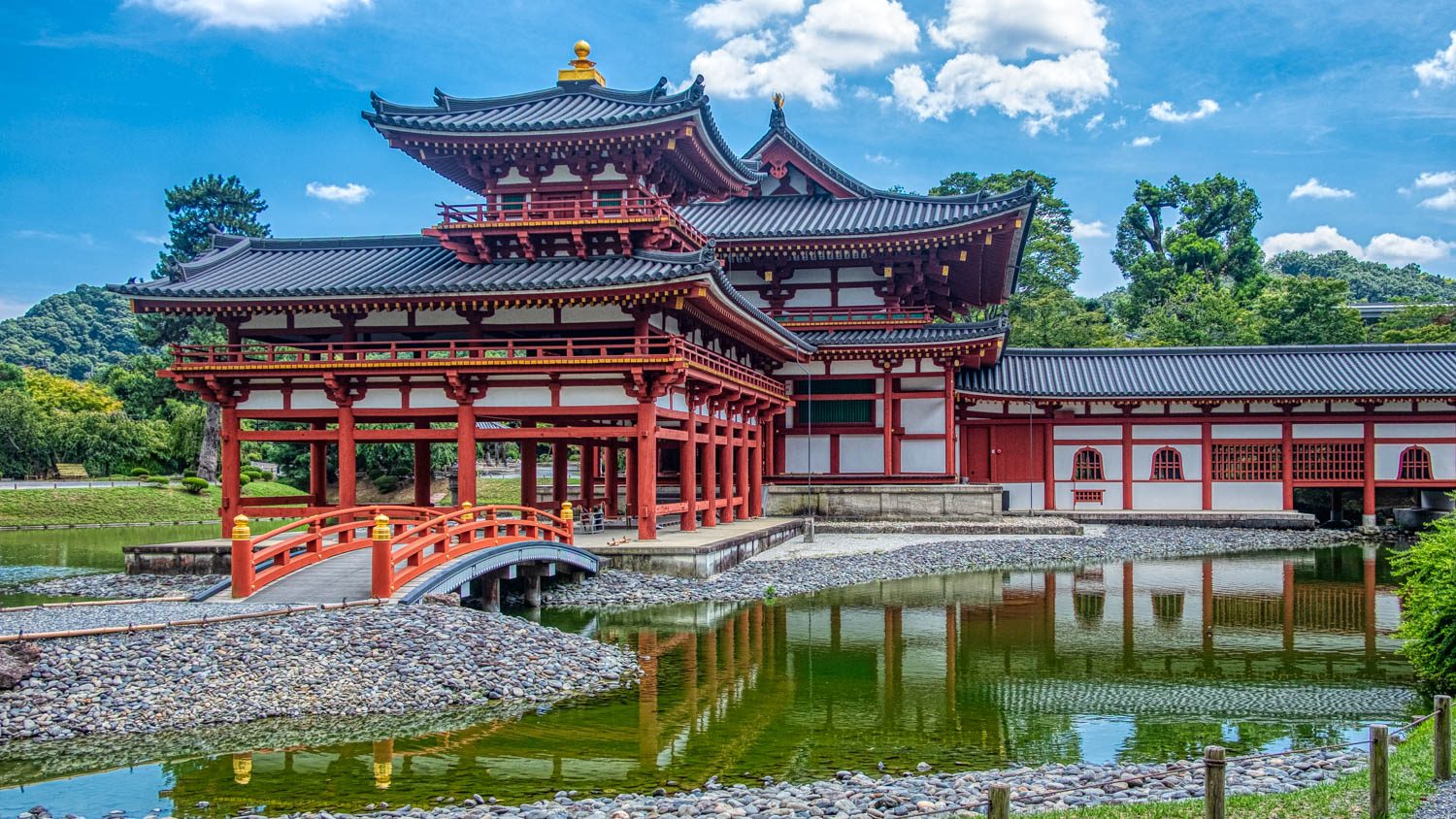
One of the books I read while in Japan was the classic The Tale of Genji, by Murasaki Shikibu, written in the 11th century. A few of the final chapters take place in Uji, a city between Kyoto and Nara, and now there is a museum there dedicated to the book. I went to Uji to visit the museum, and to see the Uji River, the Uji Bridge, and Byodo-in, a Buddhist temple built in 1053. While there, I also had time to eat a good katsudon and to get soaked by a sudden afternoon summer storm.
Nagoya
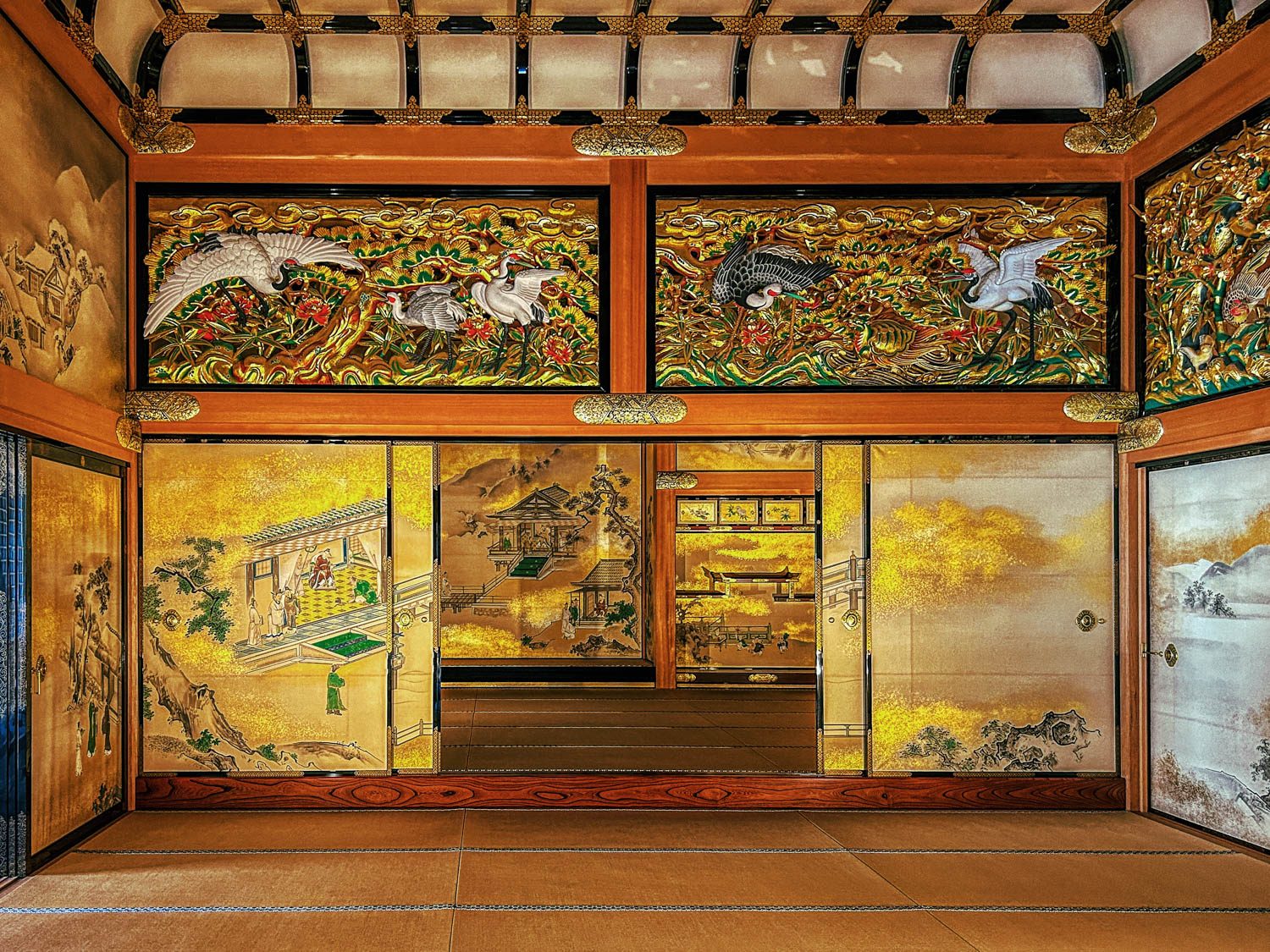
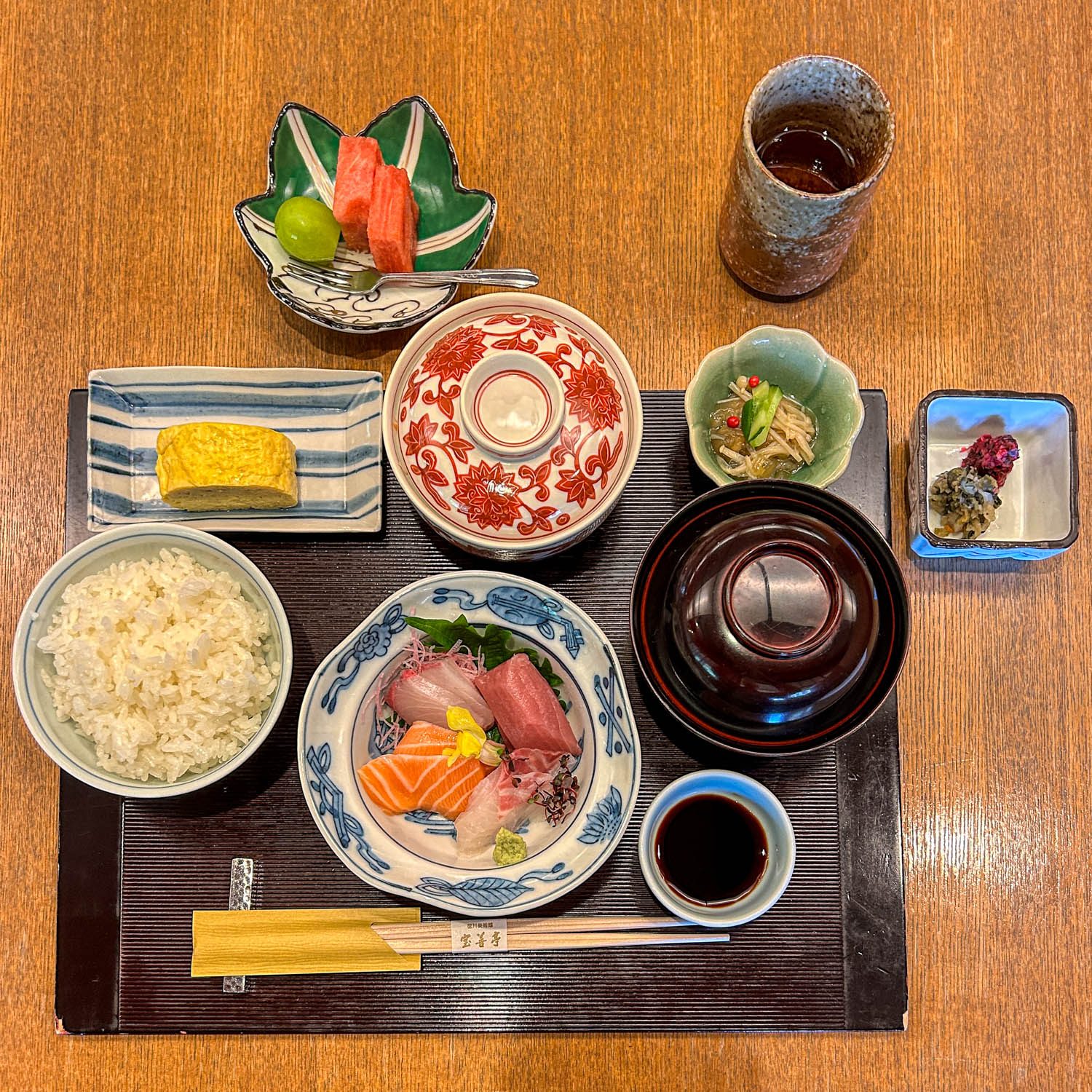
The Nagoya Castle looks impressive, less pretty than the one in Osaka, but more robust. Finished in 1615 when Tokugawa Ieyasu was already shogun, it used the same site of a previous castle built a century earlier. Like many things in Japan, the Nagoya Castle was severely damaged by air raids in the Second World War, and the current version was restored in the 1950s. We can't currently enter the main tower, but we can visit the lavishly decorated Honmaru Palace, a residential area for the Tokugawa lords. There's also an operating tea house on the castle grounds, where I had my breakfast.
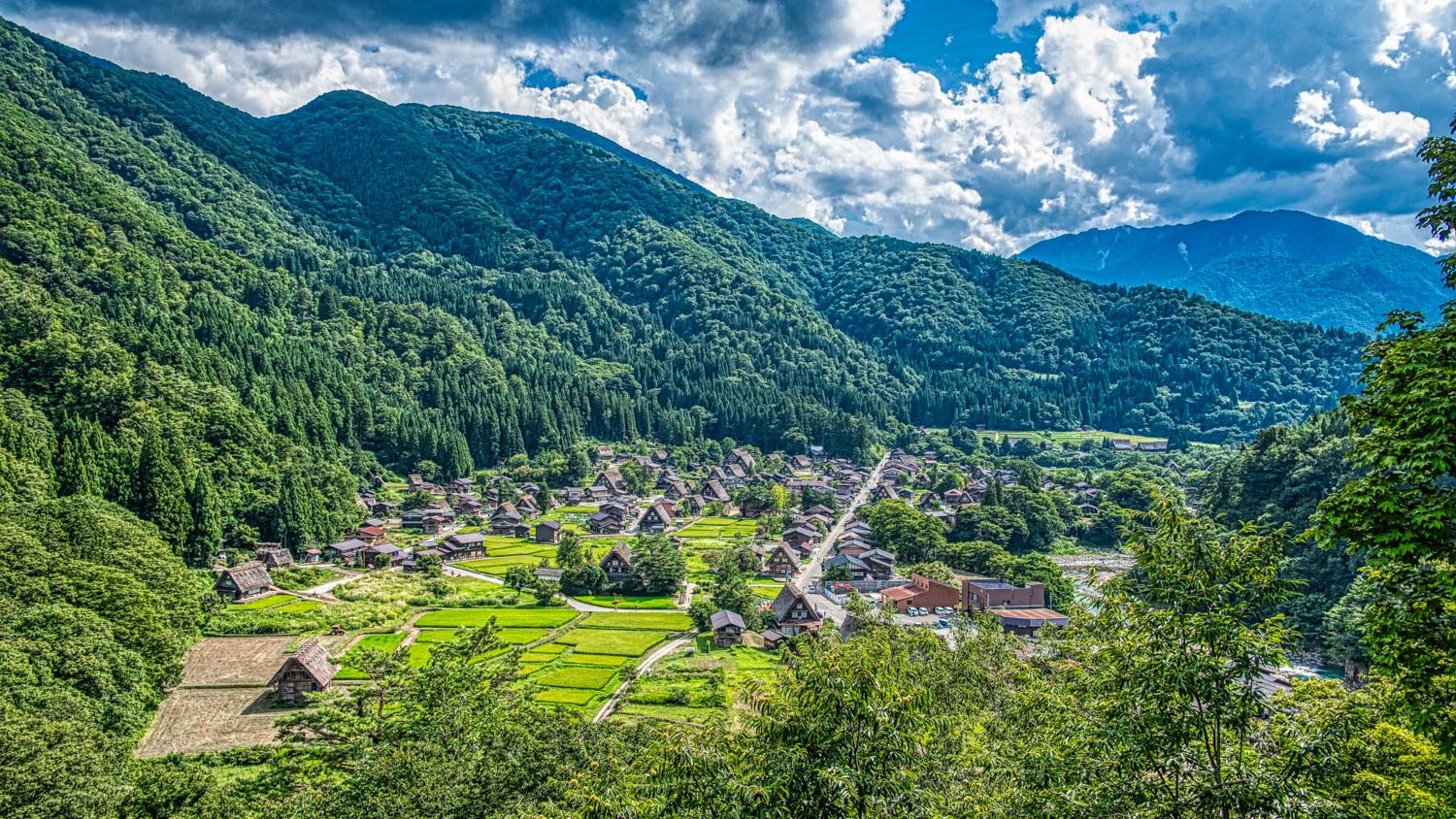
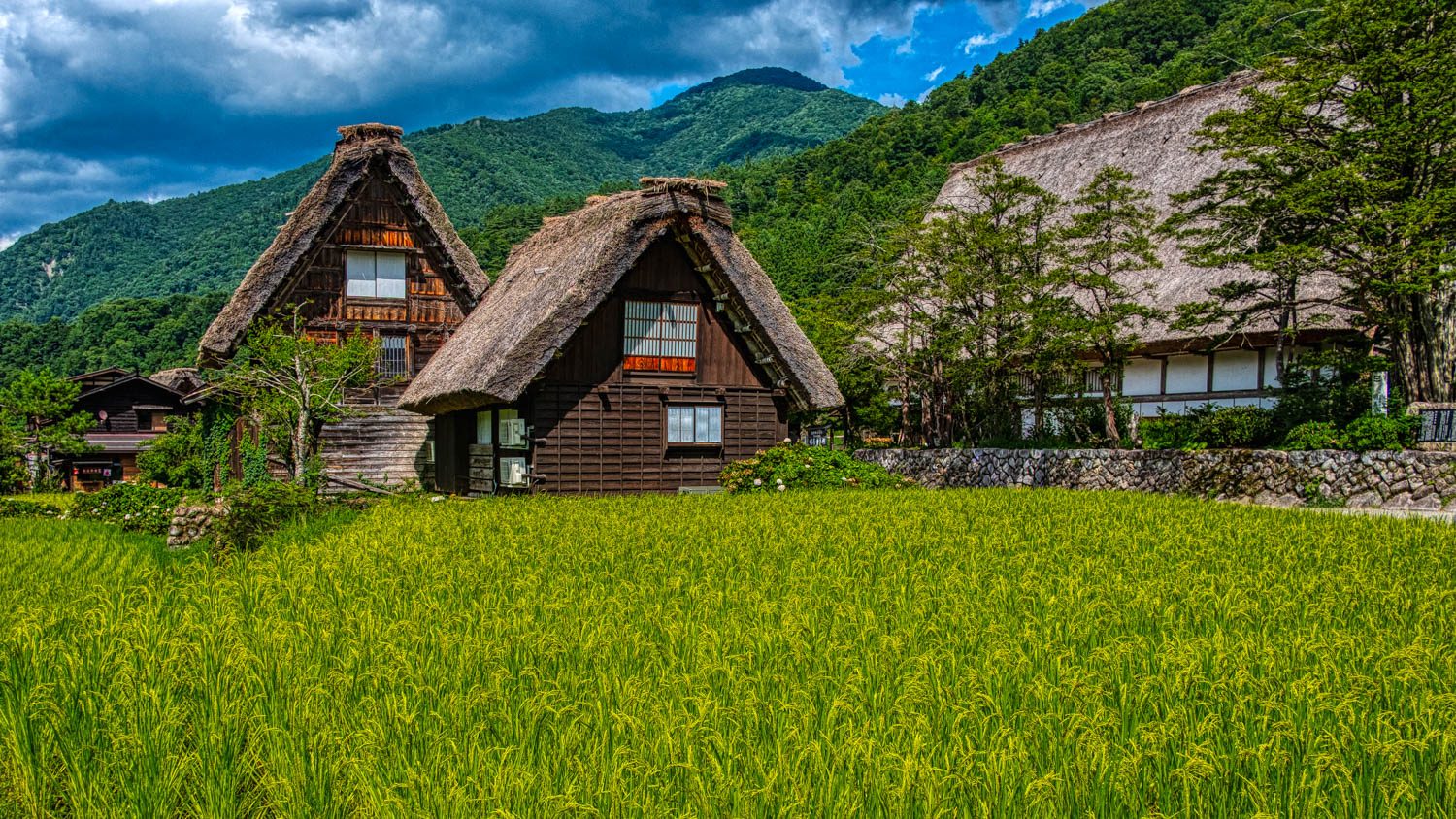
Takayama and Shirakawa
While staying in Nagoya, I took a day to visit the mountains to the north.
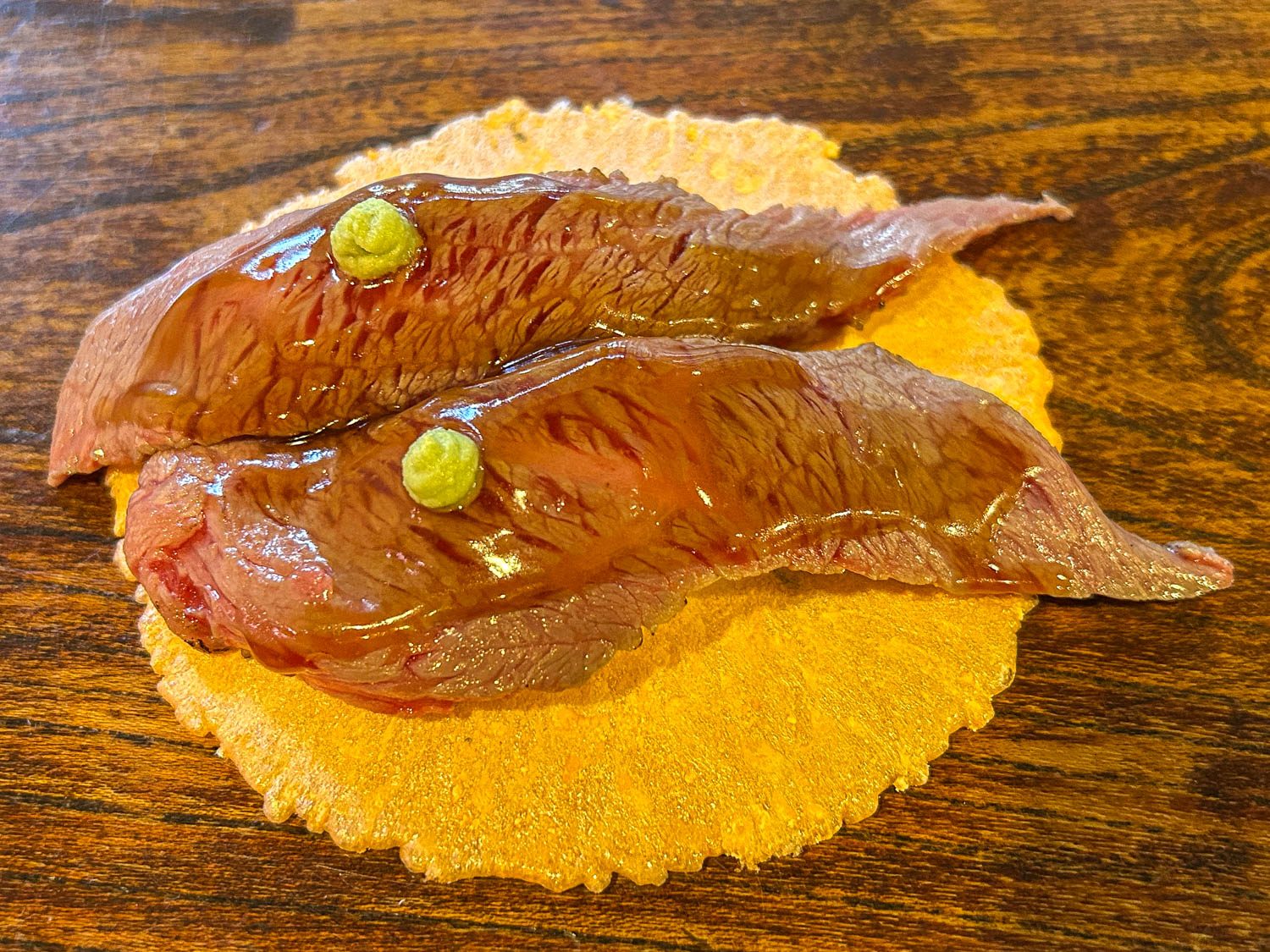
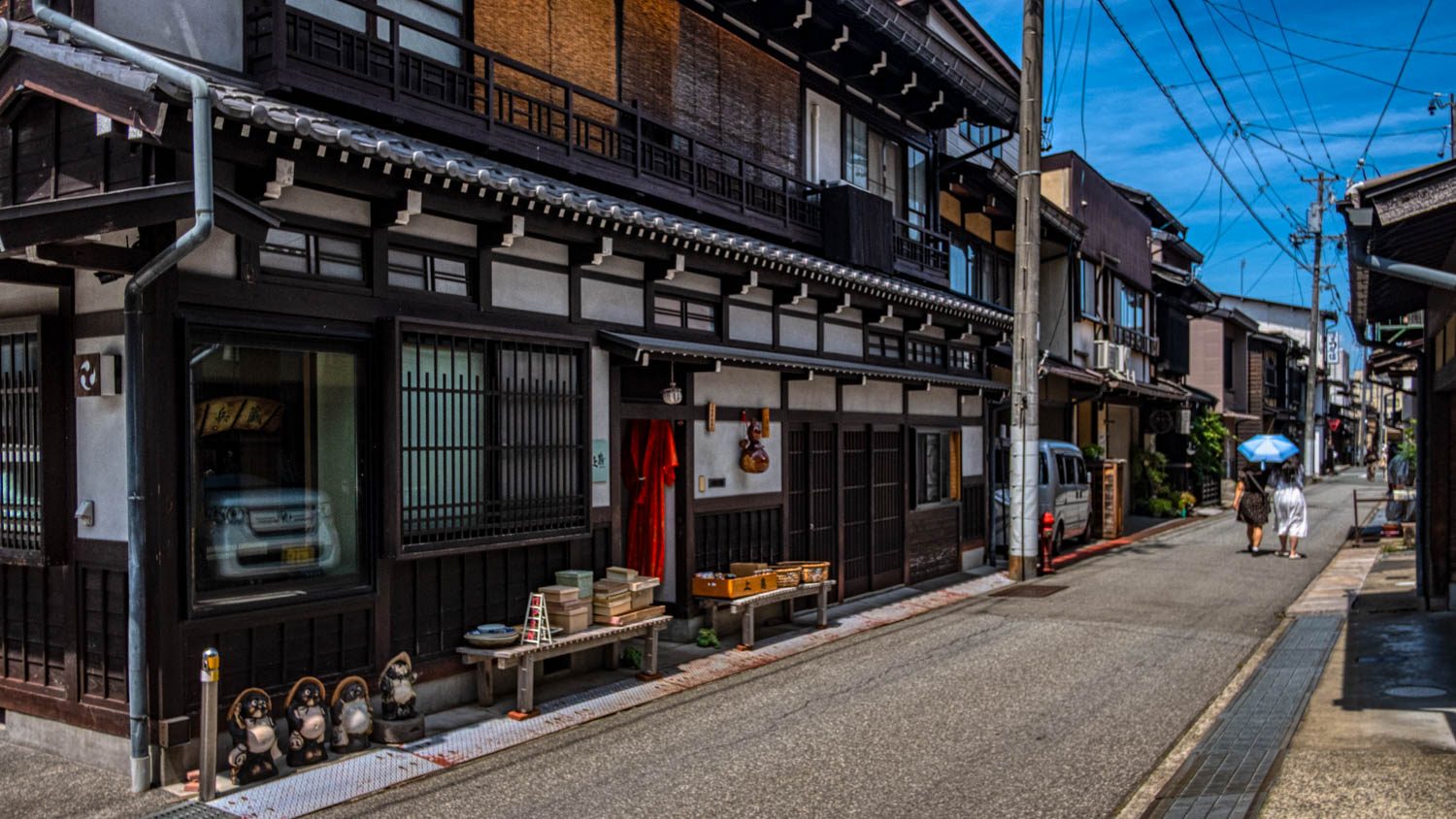
Takayama (approximately 90 thousand people) still has some areas with old style traditional Japanese architecture, which attracts many tourists, which in turn made many of those houses become shops selling all kinds of things to those tourists: pottery, furniture, objects decorated with rabbits (it's the city's symbol or mascot), sarubobos (little red dolls with no faces, a local amulet). While there, I ate one of the local delicacies, Hida beef nigiri. It's sushi made with the local premium brand of Wagyu beef, which is delicious. Takayama means "tall mountain".
And after Japan?
Tomorrow I travel to China, more specifically Hong Kong and Macau, where I will stay just for ten days. But that's a story for another time. Joy gin! (That's "goodbye" in Cantonese.)