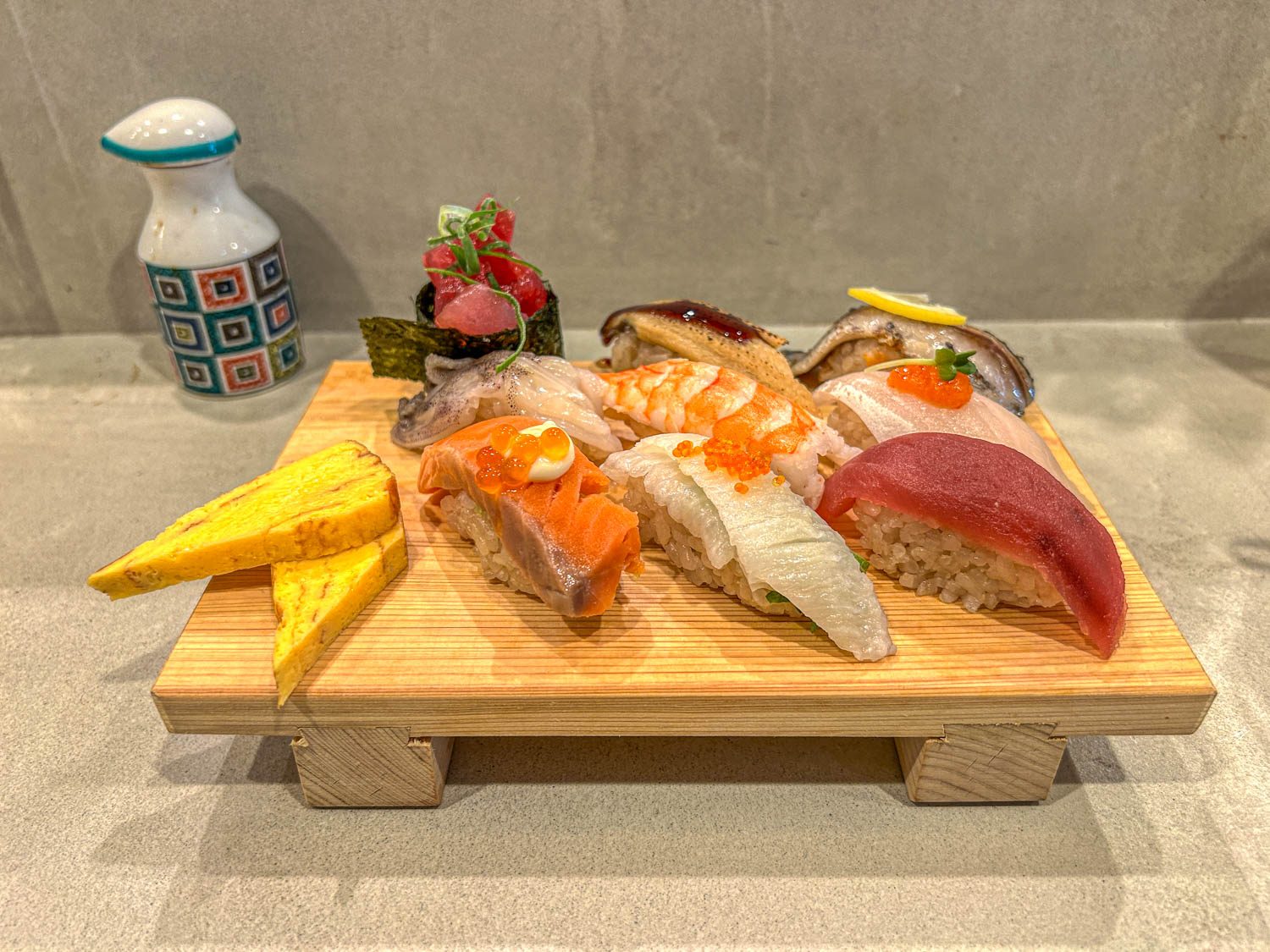
They have delicious food around here. And it's very affordable too. You can find expensive restaurants, of course, but the average restaurant in Tokyo sells great food at a price you cannot find in Europe or the USA.
Main course
First of all, there's sushi, my favorite food. Technically, sushi is any dish made with that typical vinegared rice (sumeshi). It could be cold or hot, raw or cooked, it's all sushi. But, in practice, when they say sushi around here they are almost always talking about nigirizushi, the hand-pressed mound of sushi rice topped with seafood (usually). Forget about those rolls (tekkamaki, kappamaki, etc) and other variants (temaki, futomaki, etc), the noble sushi is the nigiri, individually handmade for you with the best raw salmon, tuna, yellowtail, squid, eel, and other inhabitants of the sea. I've been feasting on sushi at every opportunity.
First of all, there's sushi, my favorite food. Technically, sushi is any dish made with that typical vinegared rice (sumeshi). It could be cold or hot, raw or cooked, it's all sushi. But, in practice, when they say sushi around here they are almost always talking about nigirizushi, the hand-pressed mound of sushi rice topped with seafood (usually). Forget about those rolls (tekkamaki, kappamaki, etc) and other variants (temaki, futomaki, etc), the noble sushi is the nigiri, individually handmade for you with the best raw salmon, tuna, yellowtail, squid, eel, and other inhabitants of the sea. I've been feasting on sushi at every opportunity.

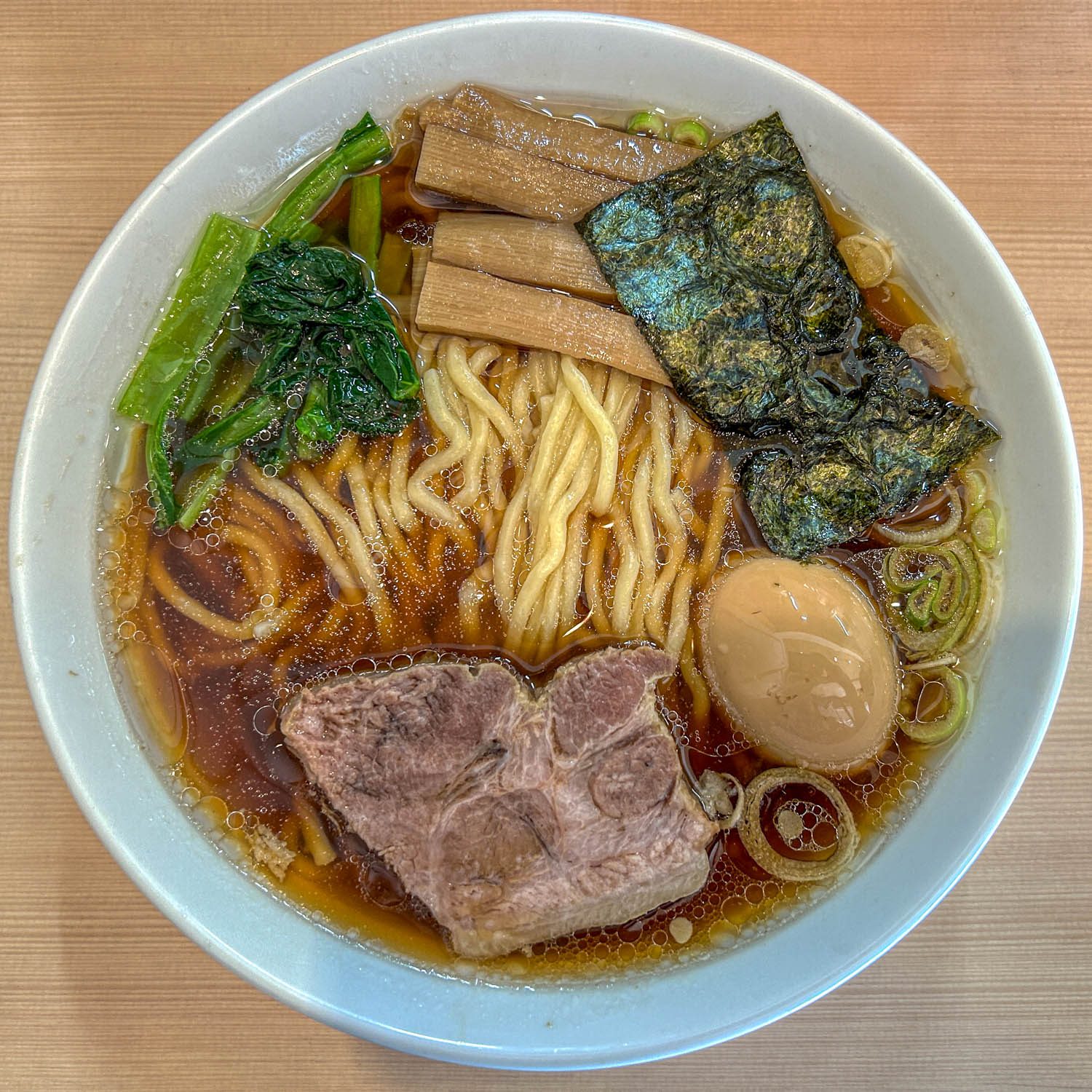
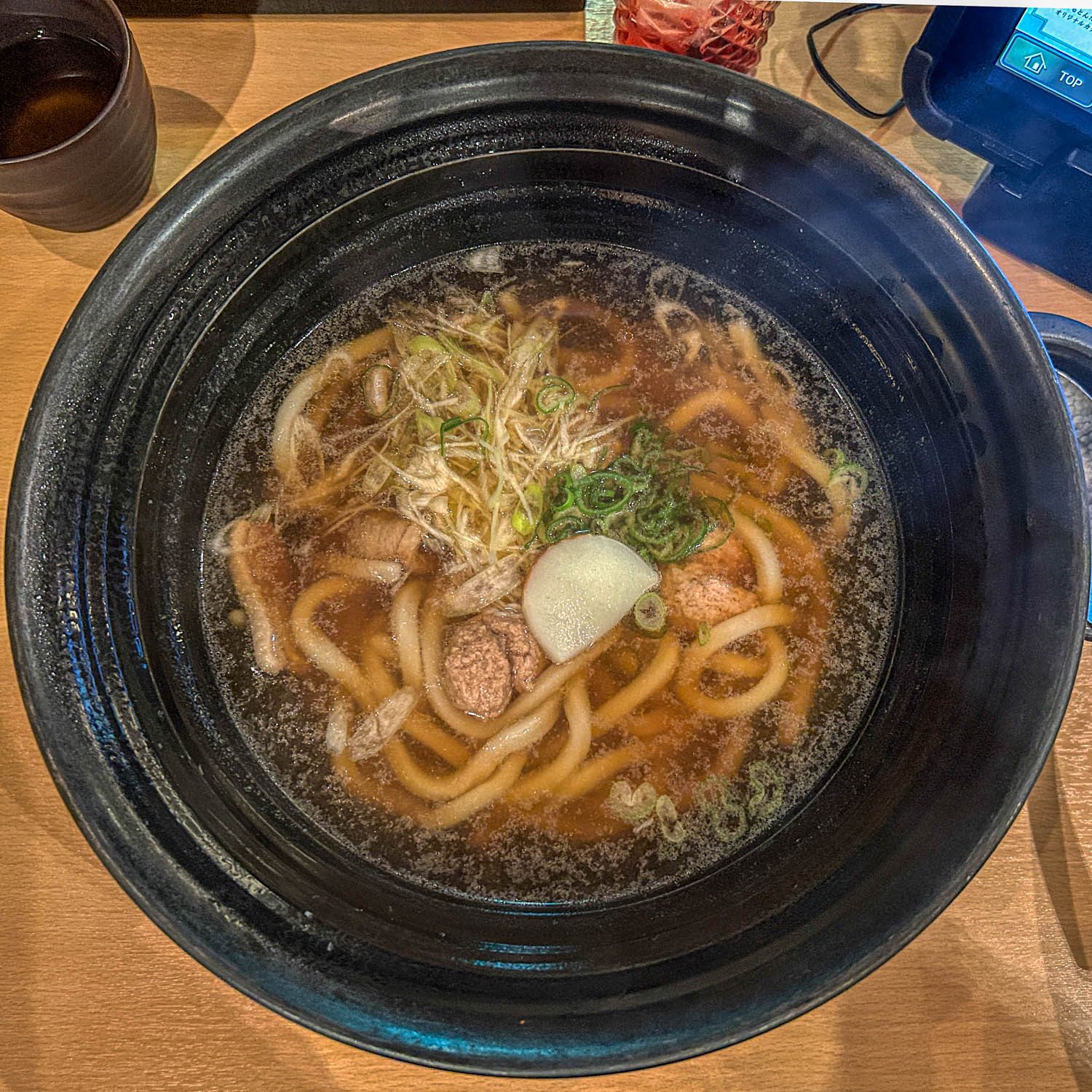
Ramen is probably the most popular dish in Japan. There are more ramen restaurants than sushi restaurants in Tokyo. The best ones are hidden in alleys, small places with just a couple of people working in a tiny kitchen. I found a great one, not far from my apartment, with only eight seats for customers, serving Tokyo-style ramen (with soy-flavored chicken broth). The classic ramen bowl is made with wheat noodles that go into a broth. Each ramen chef has their secret recipe for the broth, which could be made from chicken, pork, vegetables, or some other combination. On top of that they put a slice of char siu (roasted pork), menma (bamboo shoots), negi (green onions), and nori (dried seaweed). Then there are infinite variations in how the broth is made, how long the noodles are cooked, how thick they are, and what ingredients go on top. Another great ramen shop I found is in Harajuku, serving many delicious variants like the citron shio ramen (made with sea salt instead of soy sauce, and with lemon shavings) or the roasted pork ramen (with crispy pork slices instead of the usual char siu). But my favorite so far was the Hokkaido miso-marinated roasted pork ramen (with a strong soy sauce-based broth).




Dessert
There are several sweets made with anko (red bean paste). The most popular is probably the daifuku, a small round mochi (rice cake) stuffed with anko. It's interesting, but not my favorite. I prefer the mochi ice cream, which is a daifuku filled with, as you may imagine, ice cream. There's also the ichigo daifuku (with a whole strawberry inside), the ume daifuku (with plum), and many other variations.
The owner of the apartment I rented gave me a few welcome gifts (like fruits and candies), and one of them was the very interesting kokutou renkon kan. It's a jelly made with lotus root and black sugar, wrapped in leaves (I think they are bamboo leaves), and served chilled. I enjoyed that very much.


Tea time
I'm a black tea lover. Darjeeling, Ceylon, Earl Grey, Russian Caravan, that's what I've been drinking for years. But here in Japan, the popular tea is green tea (made with the leaves before they get oxidized). There's bancha (the cheap stuff), sencha (the standard stuff), and matcha (the expensive stuff, made into a fine powder, the one they use in the tea ceremony).
To understand it a bit better, I took a class about Japanese tea. I learned a lot, and tasted hojicha (roasted green tea, served chilled), mimasaka-bancha (boiled leaves green tea), kamairicha (roasted leaves green tea), yama-no-ocha (steamed leaves green tea from the mountain), sato-no-ocha (steamed leaves green tea from the plains), Japanese black tea, and Japanese Oolong tea. Great experience.

Booze time
Another gift from the apartment owner was a bottle of sake and a takebin, which is a bottle made from a segment of thick bamboo. You put the sake in the takebin and let it chill in the refrigerator. Over time, the sake starts to acquire a subtle taste from the bamboo.
I also went to a bar where they were serving sake with fish soup. It tastes mostly just like fish soup, with a hint of sake. It should be served in a bowl, not in a glass.


And the side trips?
I did go to a few places outside Tokyo, but I will tell that story in the next newsletter. Stay tuned for part three.
