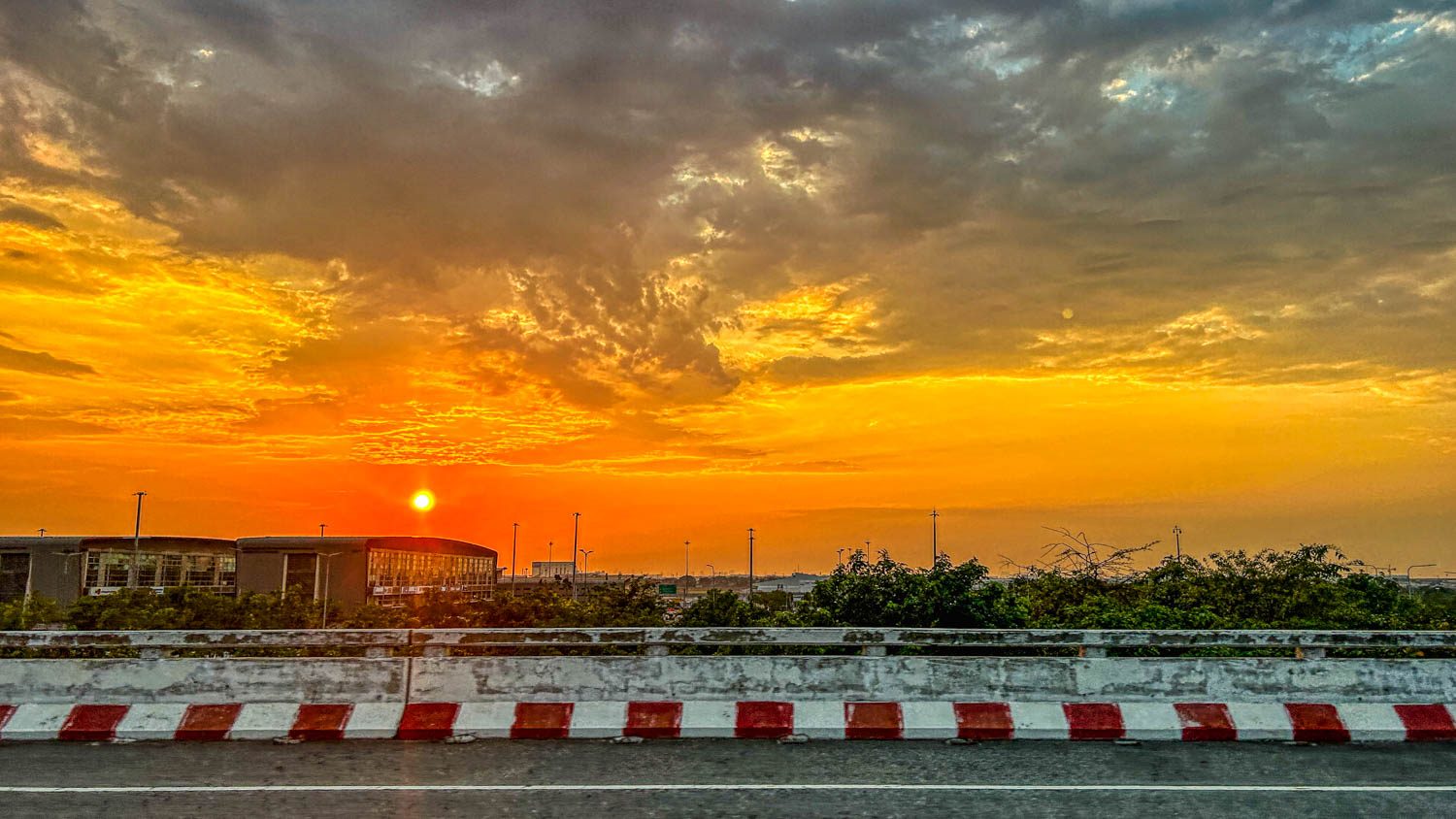
Well, going to Da Nang turned out to be a little adventure, and not of the kind I wanted to have.
So I arrived in Da Nang on the Sunday night my visa expired. The first person to notice that was my Airbnb host. I was already growling inside, thinking I would have to go to some government office the next day, be in line for a couple of hours, and pay a fine. But the situation escalated quickly. The host called the police to report my visa expiration, claiming the law required her to do that. The police said I had to go back to the airport and regularize my situation there. The immigration officer at the airport just chuckled and said he couldn't help me. I would have to wait until the next day and go to an immigration office in downtown Da Nang to solve the problem. Meanwhile, I had no place to sleep. The host would not let me into the apartment without a valid visa, and no hotel would let me check in with an expired visa. So I had to spend the night in the airport, sitting on their uncomfortable chairs.
The next morning, a different immigration officer told me that, if I went to the central immigration office, they would just send me back to the airport. Apparently, I can only apply for an extension or for another visa if I leave the country. At that point, I needed little convincing to buy a ticket out of Vietnam. Cambodia and Laos were already on my itinerary, but the visas had not arrived yet (ironically, they both arrived a few hours later). So my best option was Thailand, which doesn't require a visa. I bought a ticket to Bangkok, booked an apartment there, and waited several hours for my flight (the first one available was in the afternoon).
Finally, it came time for checking in and untangling my visa situation. The fine was not high, but it took more than an hour to sort out the documentation. Two details may tell you a lot about the country. First, I had to sign eight copies of the same multipage document. Second, the fine could only be paid in cash, the money went into a drawer, and I didn't get a receipt. Enough said.
The initial mistake was mine. But I would have appreciated if the other people involved had been a bit more considerate.
Did I see anything of Da Nang? Getting from the airport to the My An district, I crossed the Tran Thi Ly bridge, which gave me a view of the famous Cau Rong, the Dragon Bridge, all lit up at night. And returning to the airport I crossed the Cau Rong itself, getting a close up view of the dragon. That was all of my Da Nang sightseeing.
Bangkok
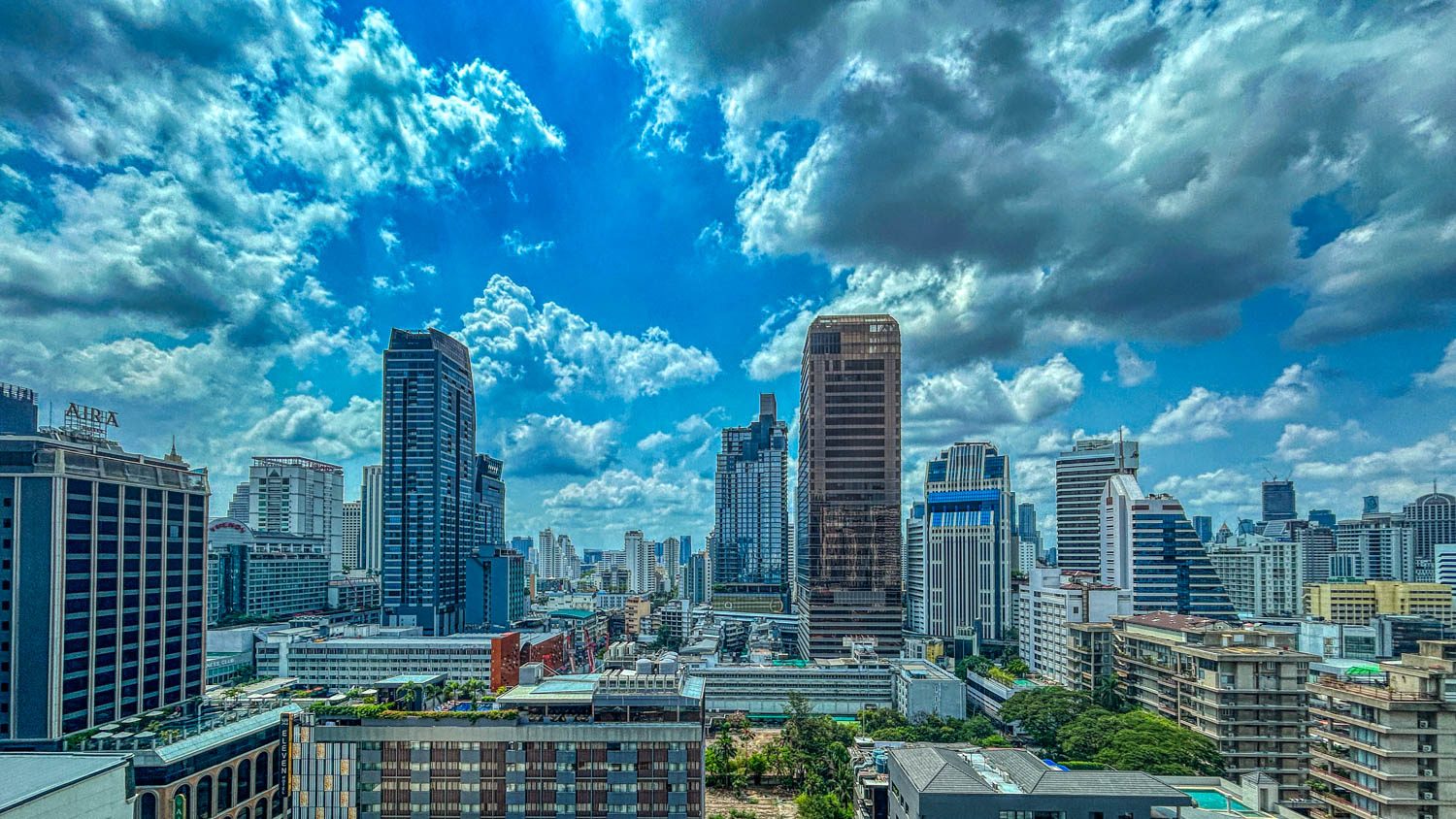
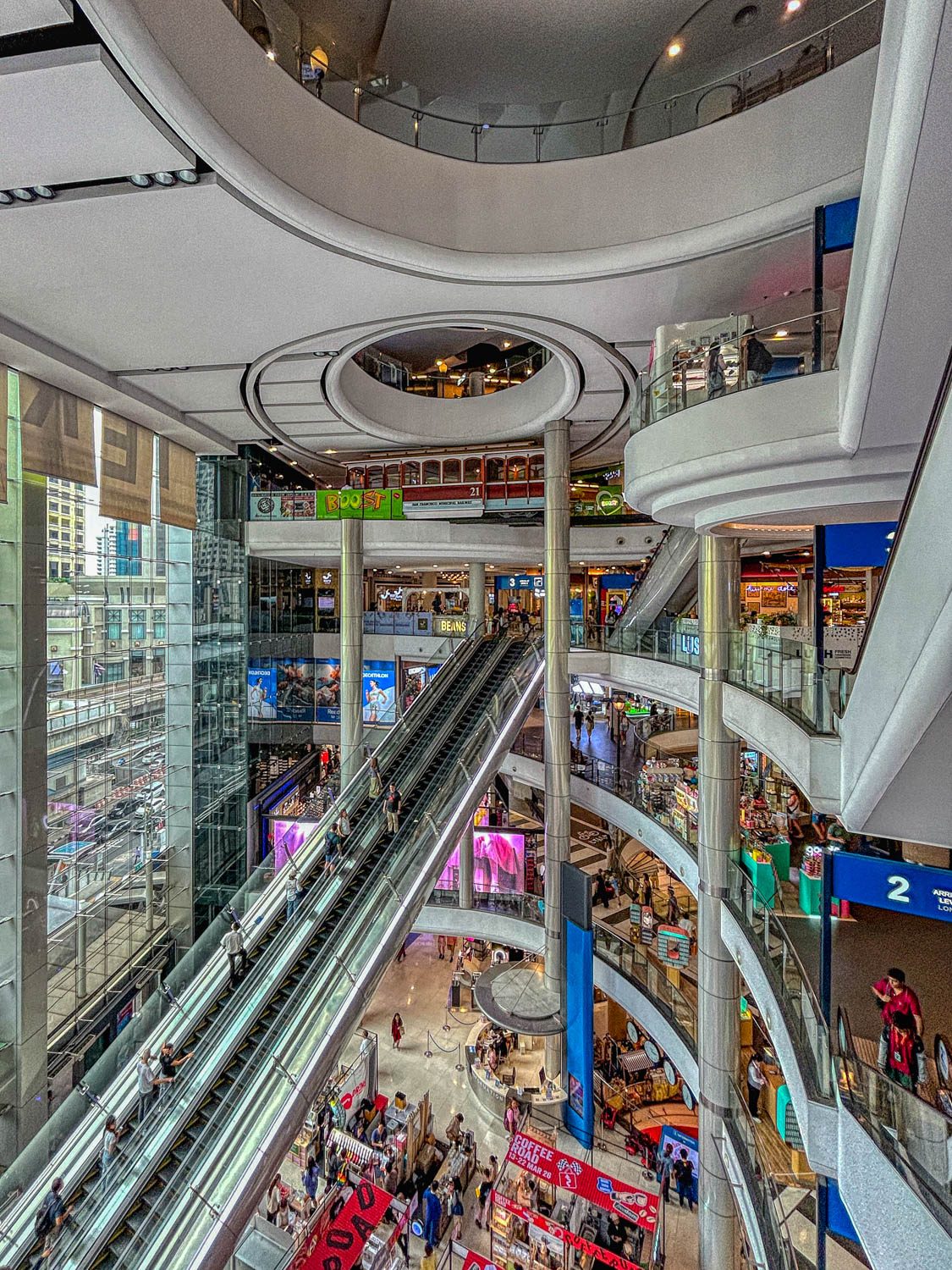
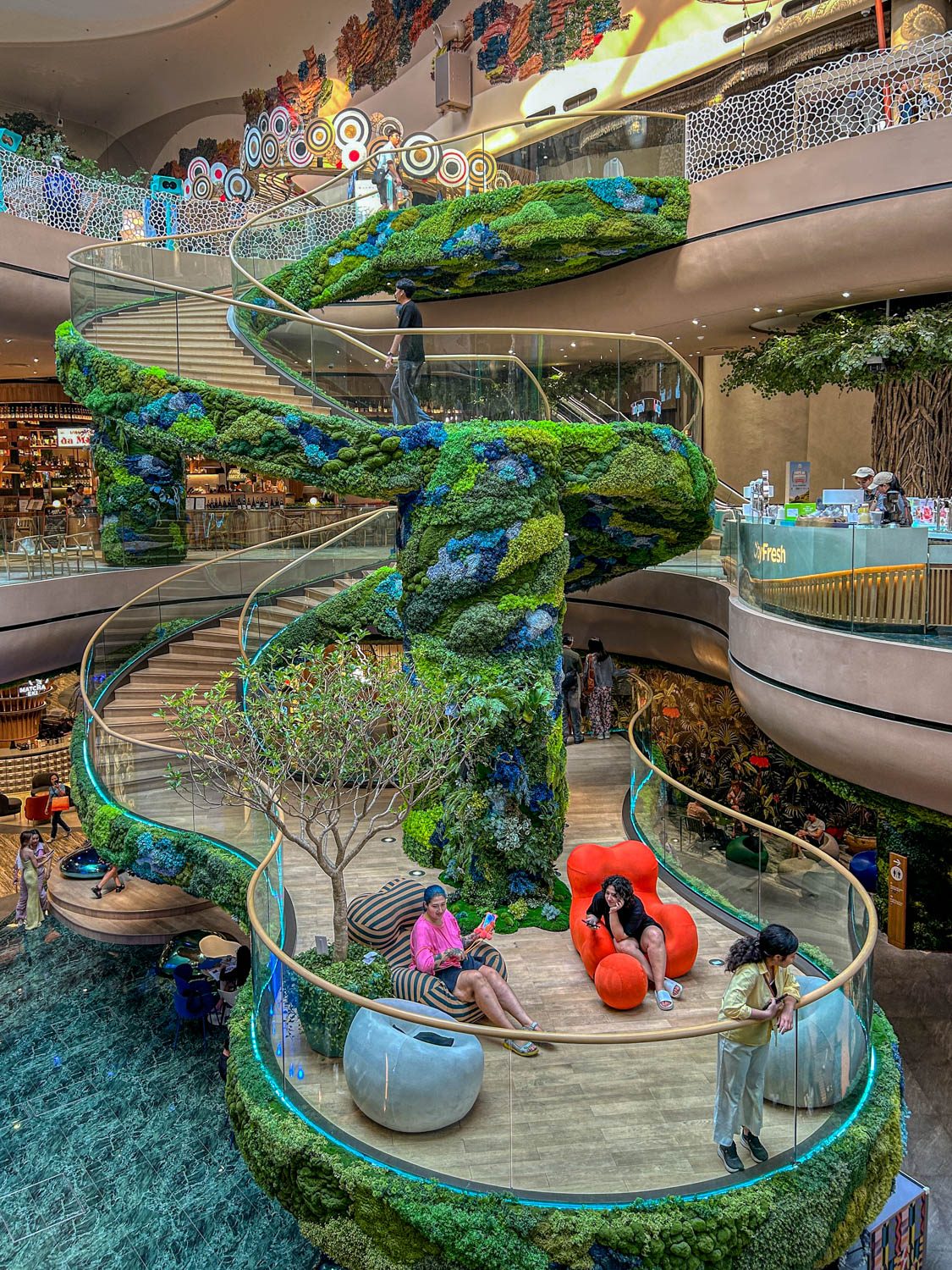
With this change of plans, the week I would have stayed in Da Nang was spent in Bangkok. I had been there in 2024, and to make it even more familiar, I rented an apartment in the same building as last time.
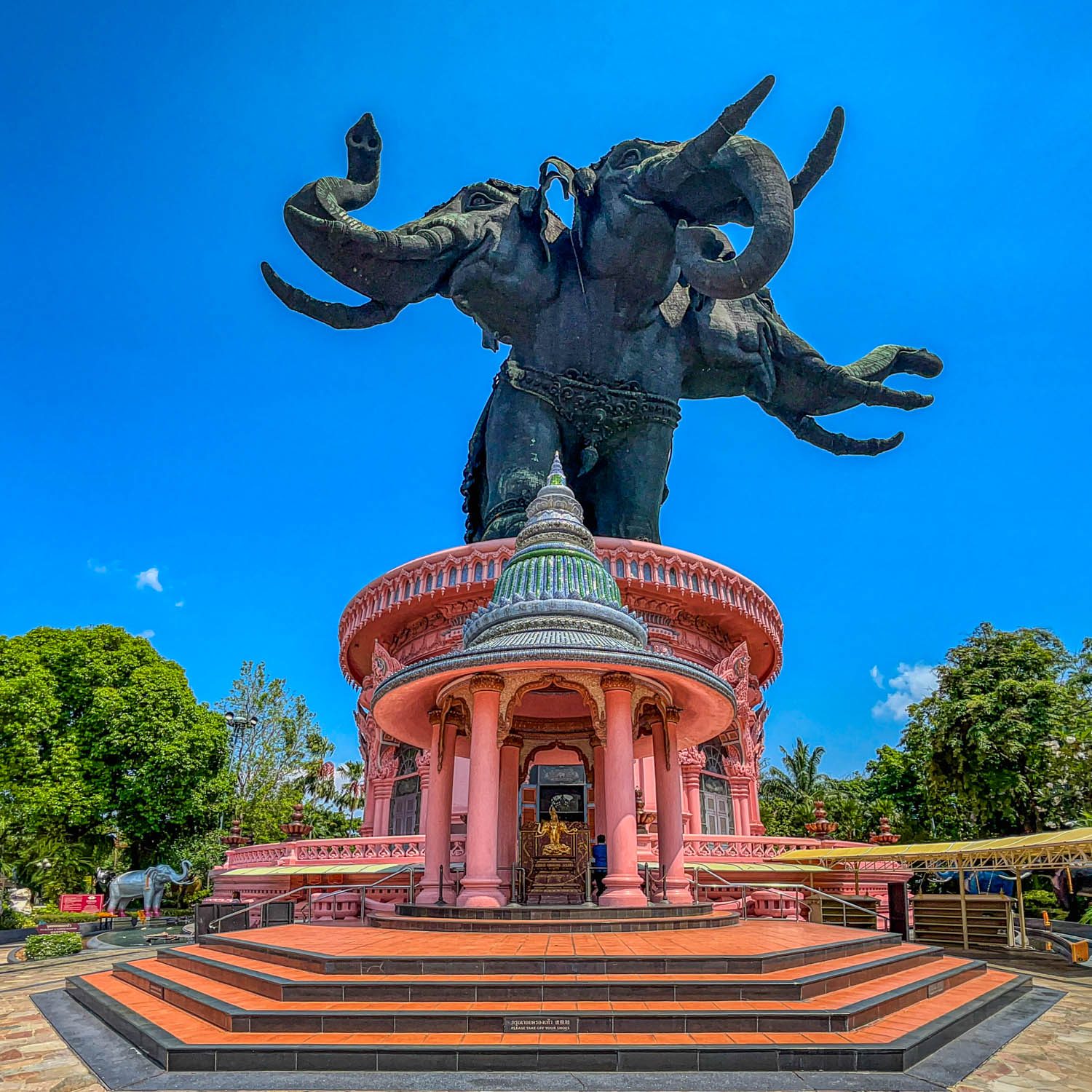
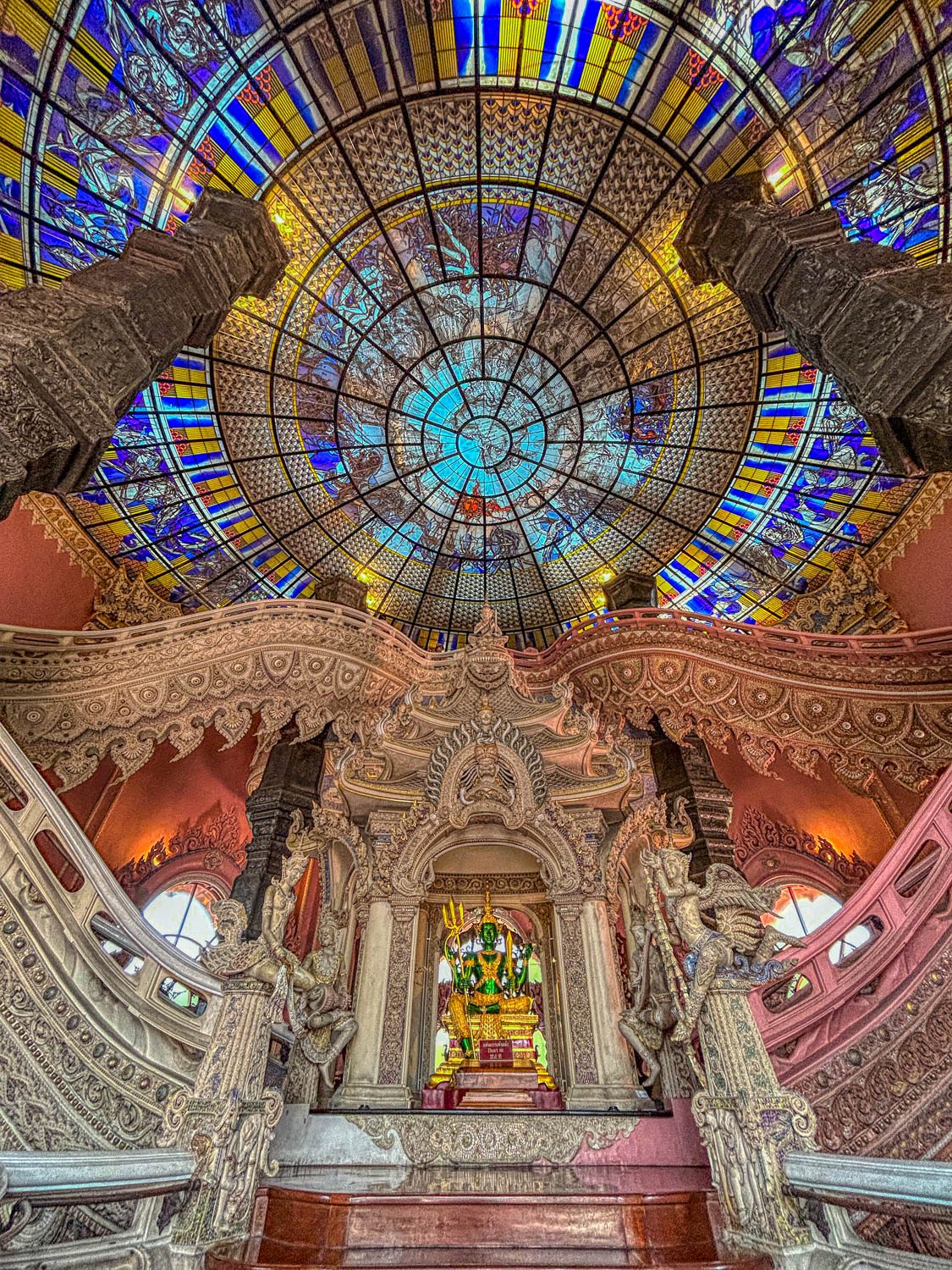
I spent most of my time just relaxing, eating well, watching movies, and reading books. The only attraction I visited, because I had missed it last time, was the Erawan Museum. In the Hindu tradition, Erawan is a divine white three-headed elephant. There is a giant bronze statue of him on top of the main building. It weighs 250 tons and is 29 meters high and 39 meters long. The first two floors inside the building represent the Hindu universe, with sumptuously carved staircases. Then you can climb some more stairs inside the elephant's leg, which lead to the top floor, inside the elephant's belly, housing a temple representing Travatimsa, a Buddhist heaven. Yes, mixing Hinduism and Buddhism in Thailand is a normal thing.
And the food?
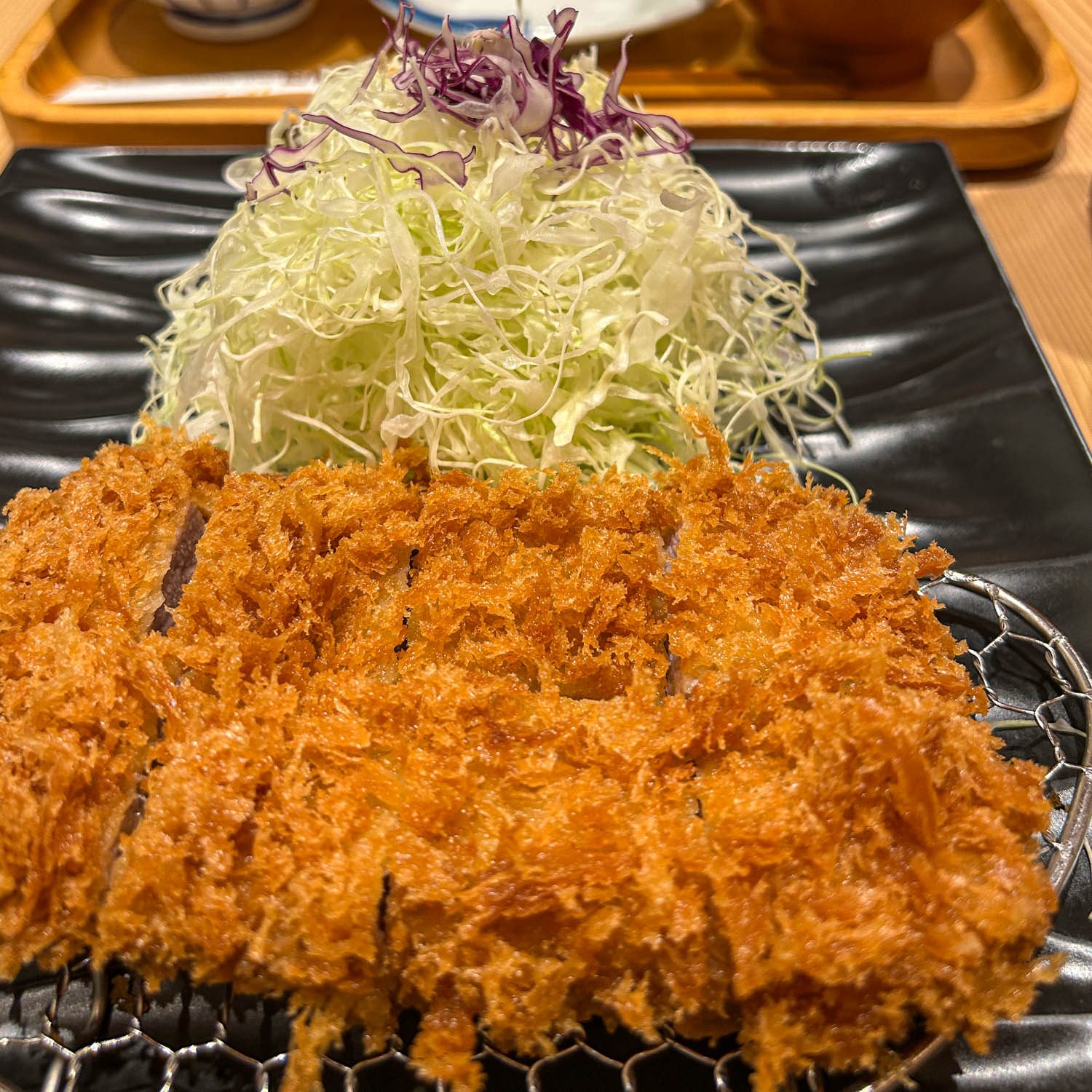
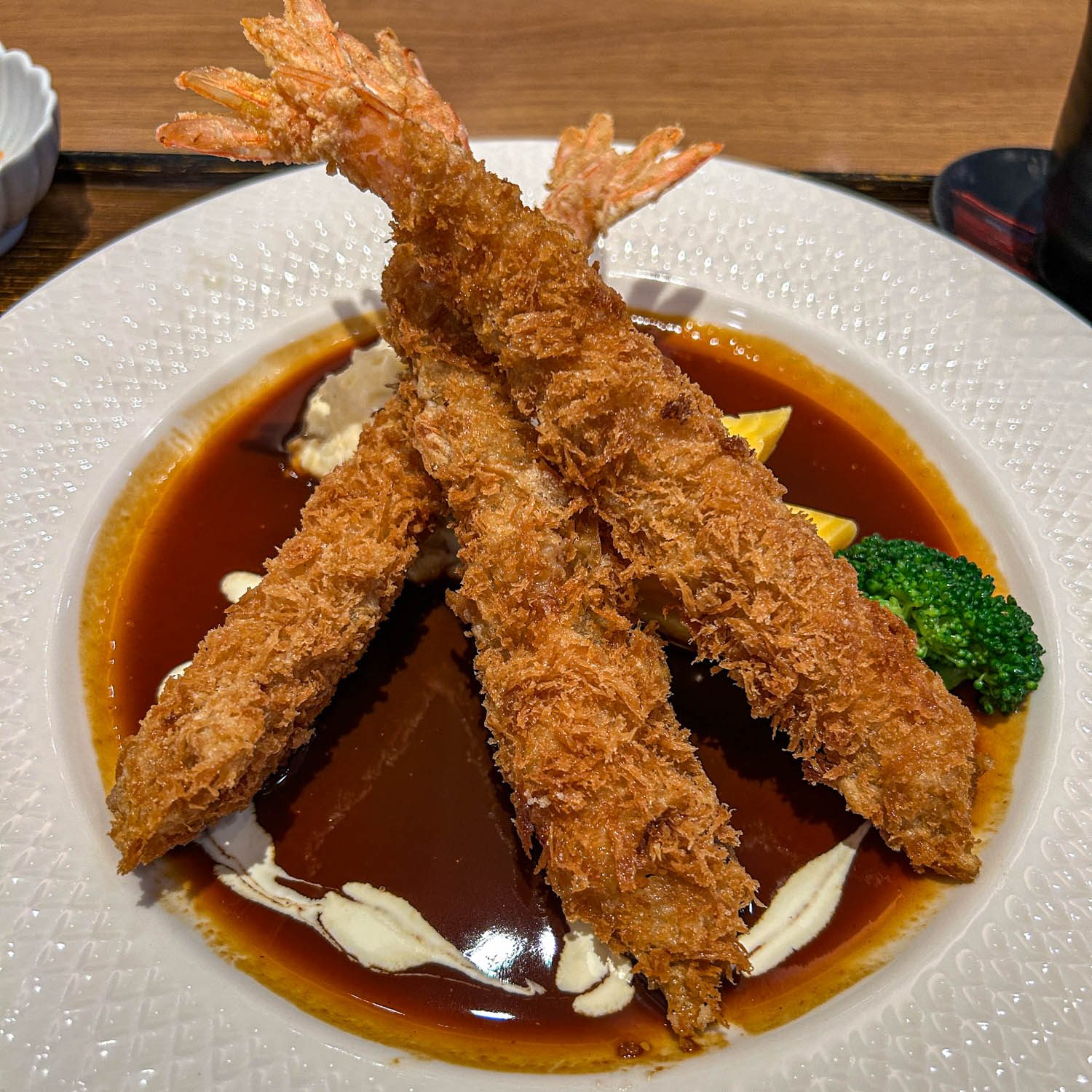
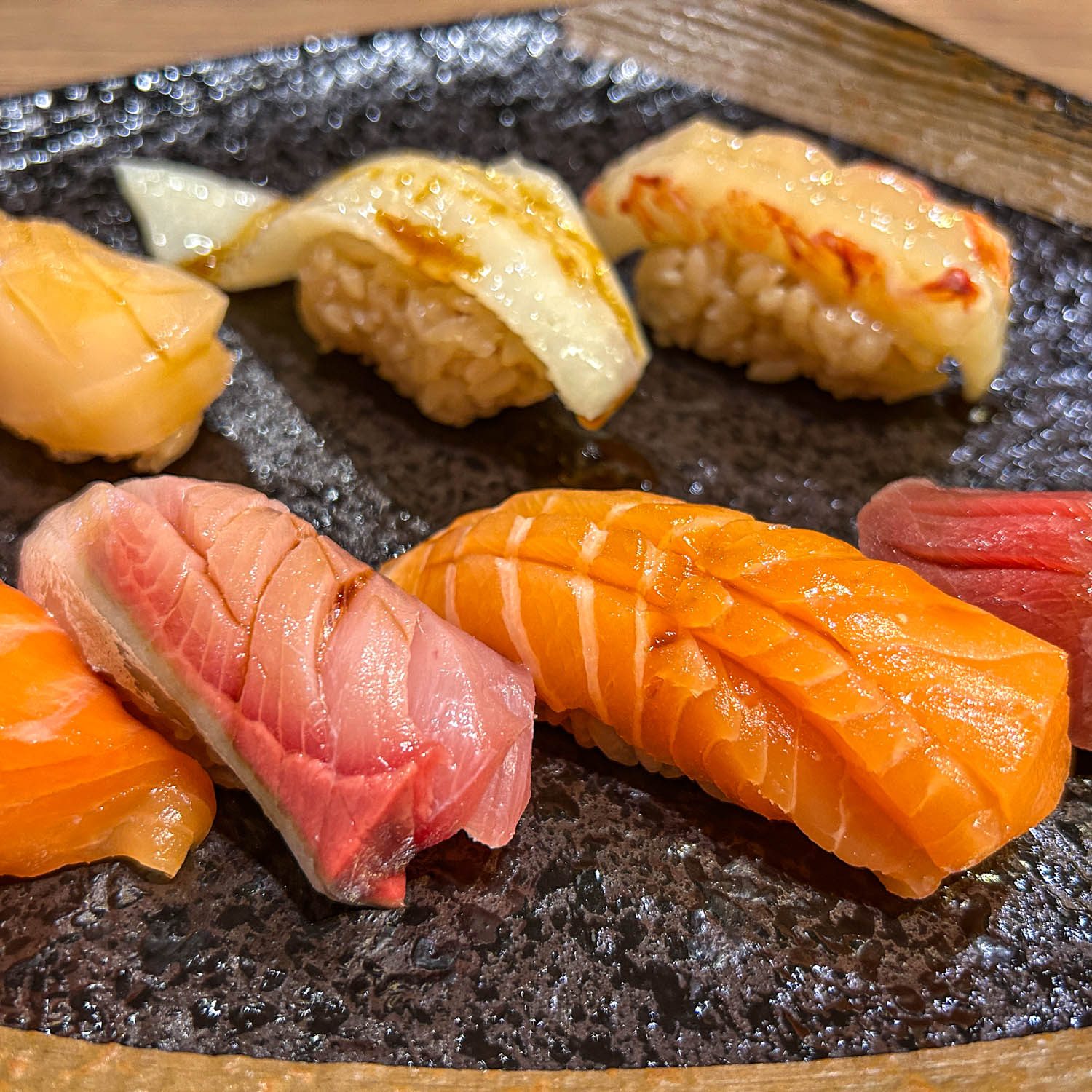
I had mostly Japanese food, which is very good in Bangkok. Many of the Japanese restaurants in shopping malls are actually Japanese companies, with Japanese cooks and Japanese servers. I had tonkatsu (deep-fried, breaded pork loin, served with shredded cabbage, rice, and miso soup), hirekatsu (like tonkatsu but made with pork tenderloin), chicken yakiniku (skewered grilled chicken, marinated in a savory-sweet soy-based sauce), ebi fry (deep-fried battered large shrimp), and a lot of sushi.
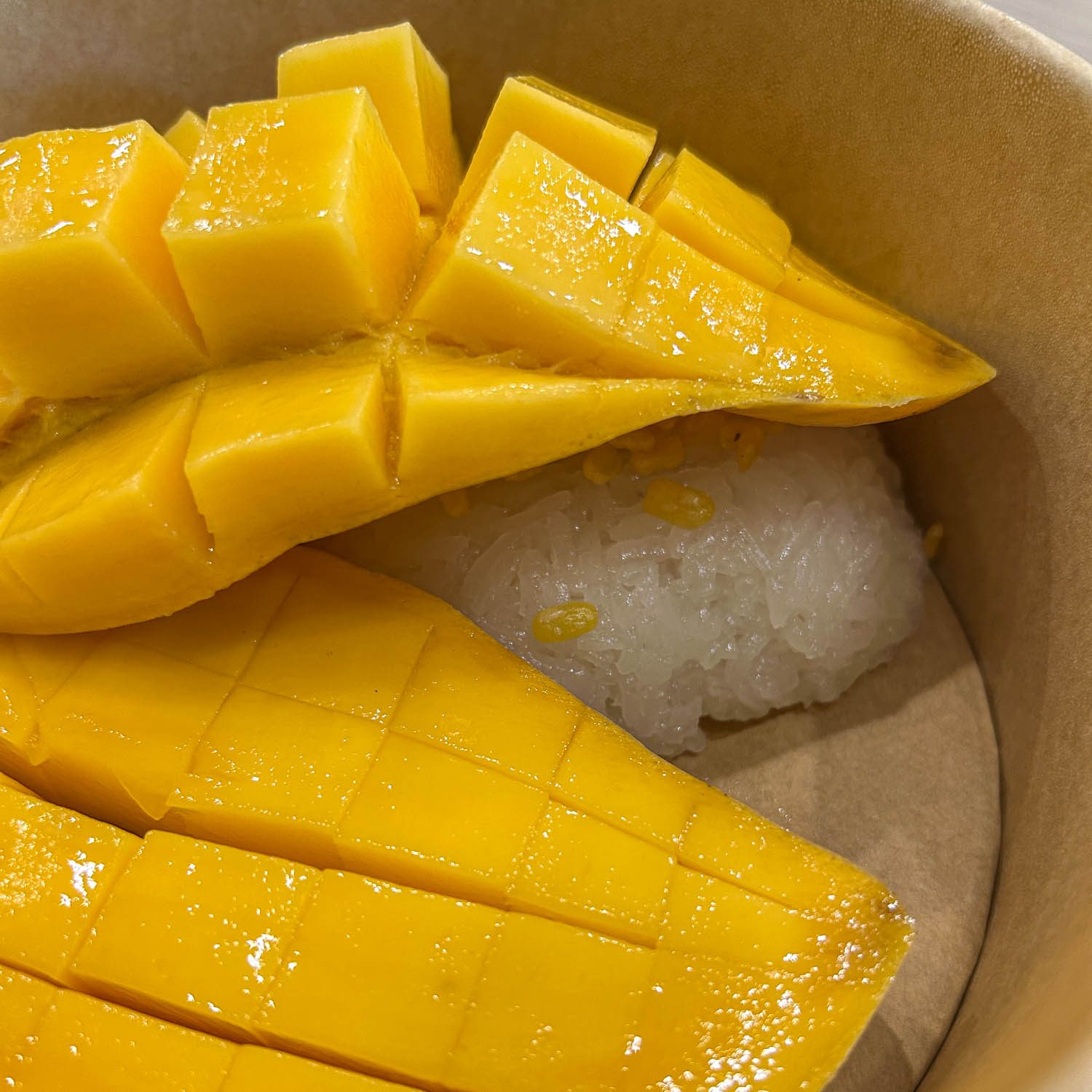
The only typically Thai dish I ate was khao niao mamuang (mango sticky rice), which is white rice mixed with coconut milk and served with a fresh mango.
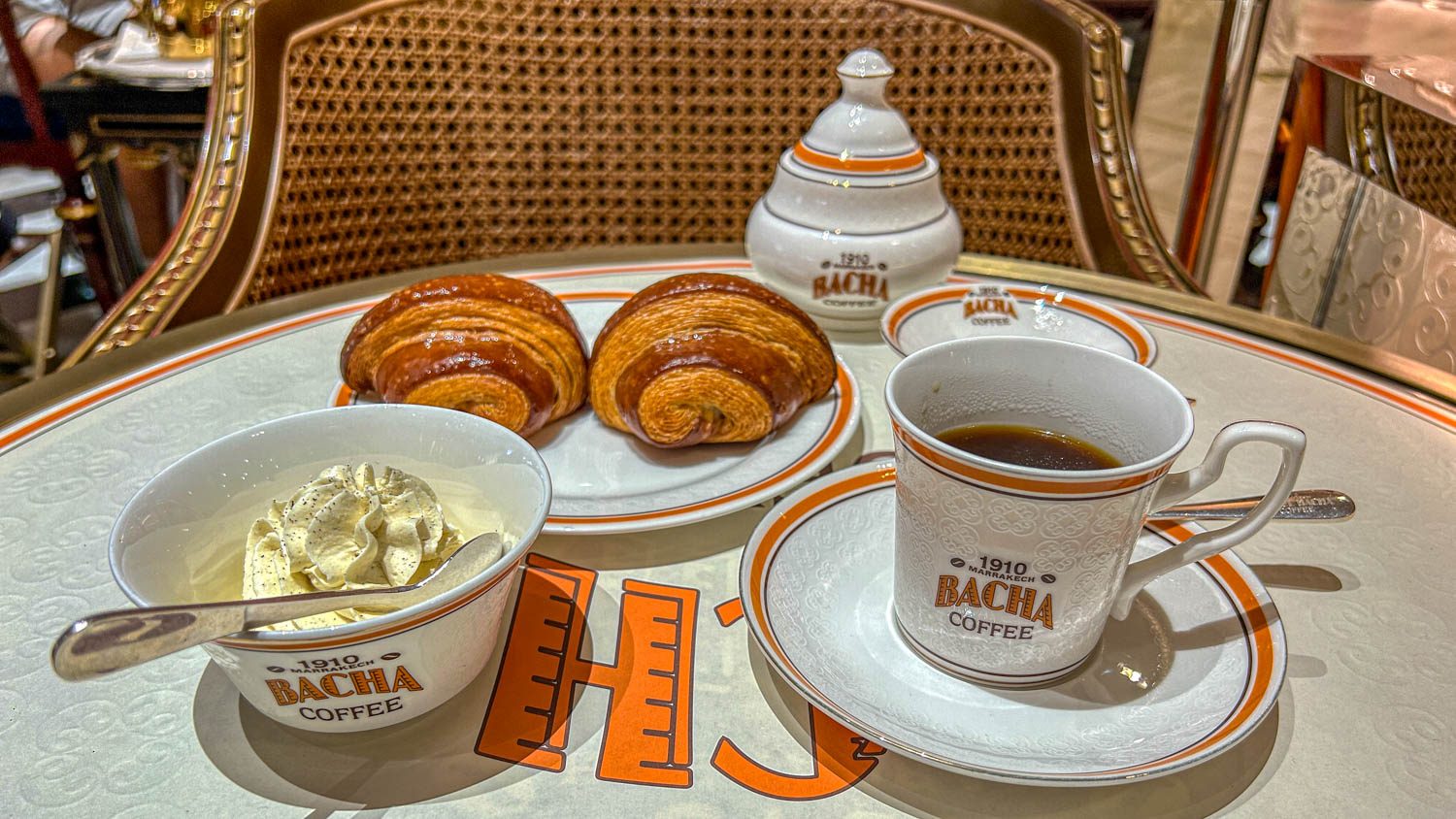
Also on the international theme, I got a delicious Velenosi Montepulciano D'Abruzzo from the gourmet market near my apartment, to drink while watching movies.
And after Bangkok?
I'm already in Phnom Penh, the capital of Cambodia. But that's a story for another time.