
My original plan was to spend most of my Vietnam time in Ho Chi Minh City (HCMC), then go to a couple of places by the sea. But since HCMC was such a big disappointment, I quickly rearranged things and ended up enjoying the beach earlier and for quite a while, starting with Mũi Né.
East of HCMC, there is a small port city called Phan Thiet (less than 250,000 inhabitants). A bit further to the east, there is a fishing village called Mũi Né (less than 25,000 inhabitants). On the outskirts of Mũi Né, there's a condominium hotel complex called Apec Mandala Cham Bay. That's where I found refuge from the unpleasantness of HCMC. No traffic, no pollution, it's just the hotel and the beach, in the middle of nowhere. I got a room on the 14th floor (fun fact: there is no 13th floor, it goes 11, 12, 12A, 14...), with a great view of the bay.
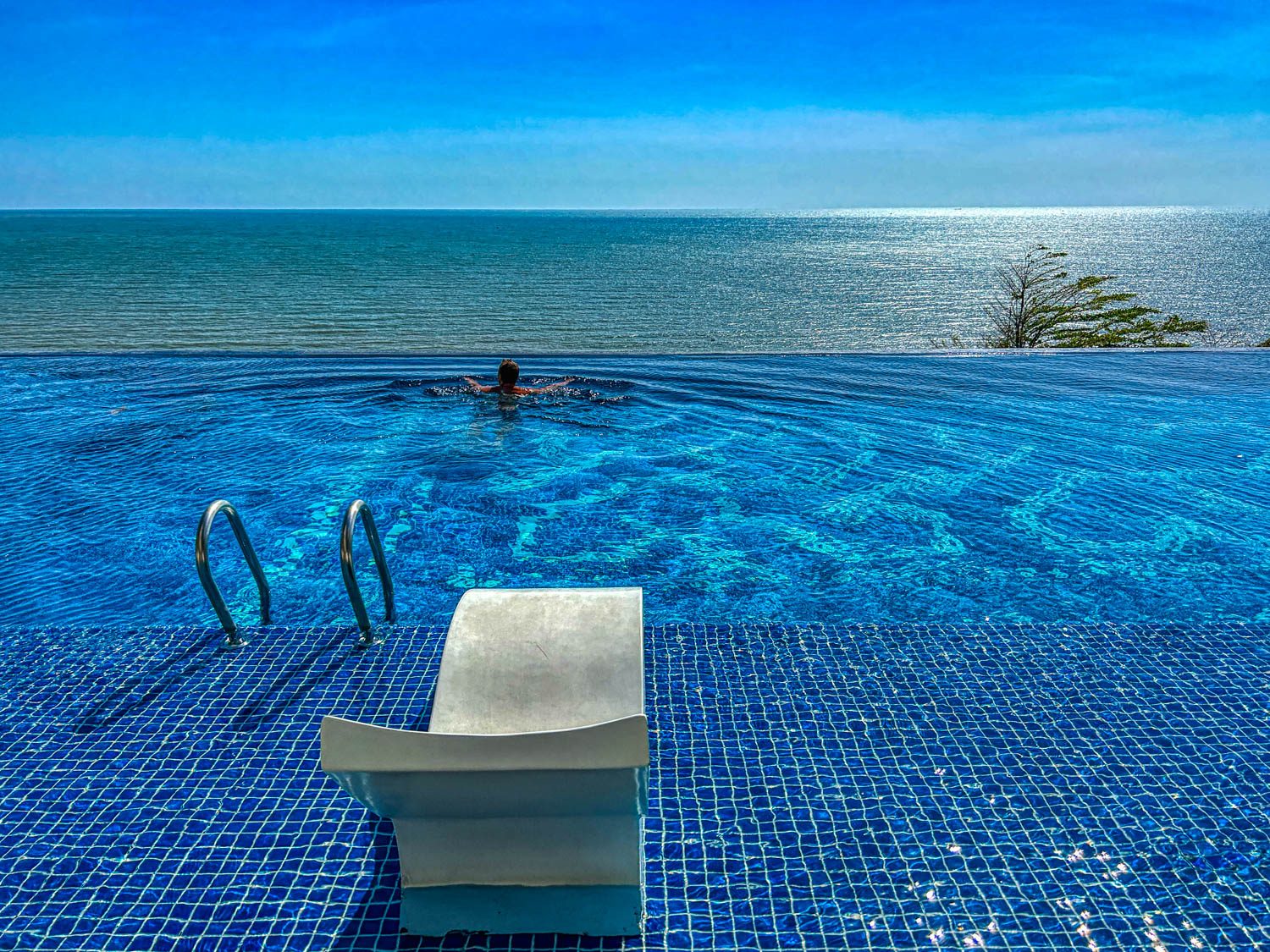
I took long walks on the beach, my feet into the South China Sea. I didn't go swimming, though, not only because the water was cold but mainly because I saw many dead jellyfish washed ashore and I didn't want to risk touching a live one in the sea. But the hotel has three swimming pools, so there was plenty of space to float in the water.


One day, I took a very long walk along the beach, to the north, until I reached the Hòa Thắng fishing village (population below 10,000). That was 8 km to get there and another 8 km to walk back. There wasn't much in the village besides the beach and a lot of fishing boats, but the reactions I got as the only Western-looking person around were interesting. Older people seemed suspicious, not looking me in the eye but following my every movement. The teenagers, however, all came closer to greet me with a "hello" (which apparently was the only English word they knew) and a big smile.


The combination of isolation and an ocean view made my time in Mũi Né very productive. I spent long afternoons typing away on my laptop while sipping watermelon juice and looking at the South China Sea. Not a bad home office.

Any side trips?
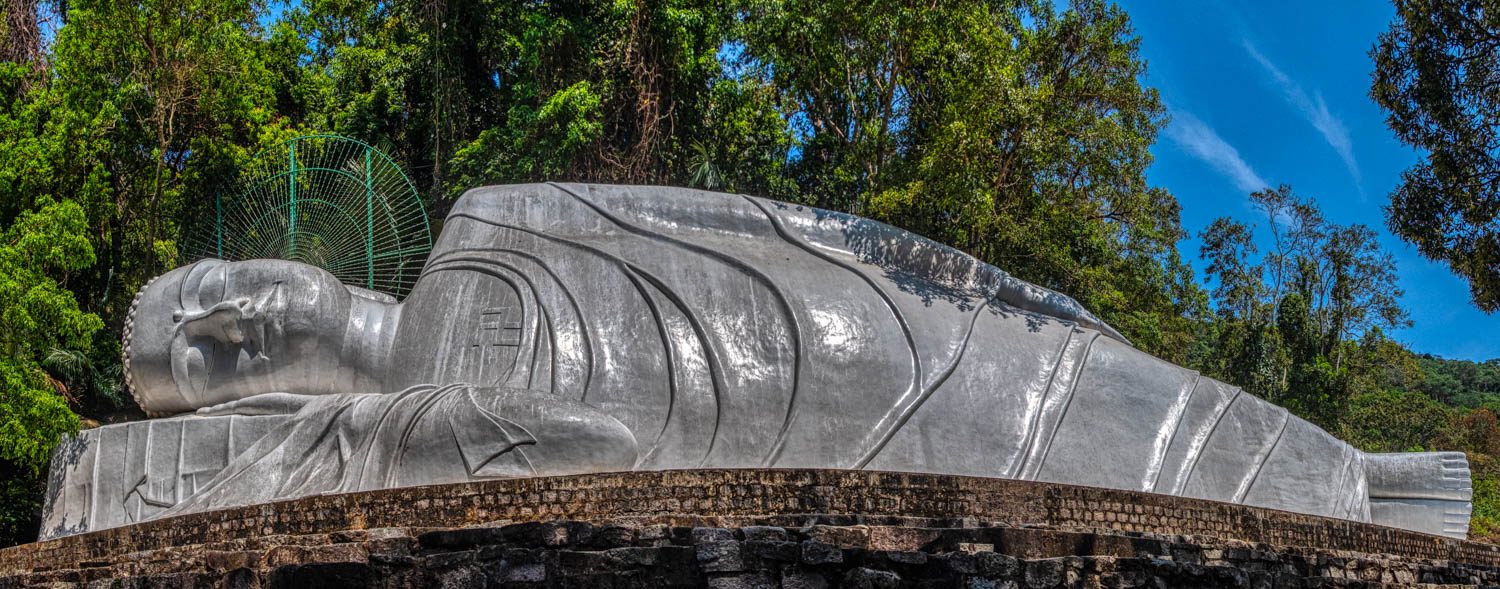
While living in Mũi Né, I visited two nearby attractions. First, I went to the Tà Cú Mountain. You take a cable car to get to the top, then climb the 250 steps of the major staircase to the temple, and then climb 350 steps more to reach the statue of the reclining Buddha. That was a lot of climbing. There are other statues around, but the main one, at 49 meters long, is the largest reclining Buddha in Southeast Asia (the one I saw in Bangkok two years ago was 46 meters long).
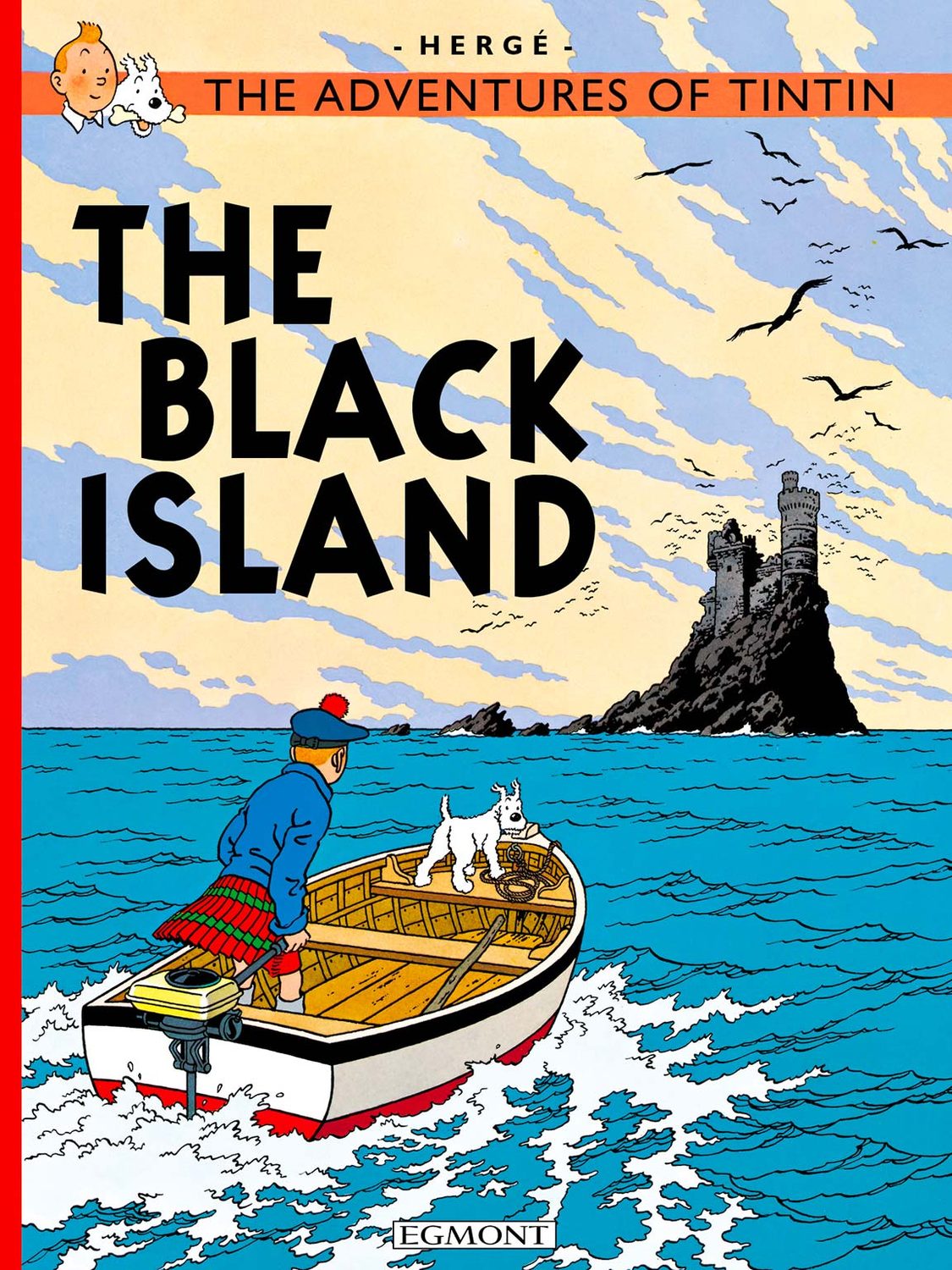
Then I went to Kê Gà to see the lighthouse. The Kê Gà Lighthouse stands on a small rocky islet called Hòn Bà, about 500 meters offshore from the mainland. I took a tiny fishing boat to get there, and felt like Tintin going to the Black Island (fortunately, there was no gorilla on this island). Built by the French colonial administration and dated 1899, the lighthouse is one of the oldest in Vietnam.


Another thing I saw in the Mũi Né area (Bình Thuận Province) was a very large number of dragon fruit plantations. Vietnam as a whole has by far the largest dragon fruit industry in Asia, producing 1.2 to 1.4 million tonnes per year. And if you think the fruit looks strange by itself, it looks even stranger while still on the trees.


And the food?
I ate typical Vietnamese dishes like com tam (broken rice with grilled pork) and com bo xao hanh tay (rice with stir-fried beef and onions), but, being between two fishing villages, seafood was always a good option. The big star here was a memorable seafood fettuccine al dente, with a view of the South China Sea.


And after Mũi Né?
Next stop: Nha Trang, a bit farther to the north. I'll tell you about that soon.
