I rented a nice 15th-floor apartment in Ho Chi Minh City, formerly known as Saigon (and most people here still call it by the old name). My little balcony overlooks the Saigon Zoo, and I can watch the elephants and giraffes every day.
Unfortunately, Ho Chi Minh City is not a nice place to live. The air pollution is a bit disturbing. There is constant smog, and the Air Quality Index (AQI) regularly surpasses 100 (orange level). We see the sun through a thick layer of gases and particles, which feels like an alien cityscape. The streets and sidewalks are in very poor condition, and swarms of motorcycles zoom in all directions, ignoring traffic lights and pedestrian crossings. Fourteen million people live in the city, and there are over eight million registered motorcycles. The broken sidewalks are full of parked cars and motorcycles, as well as street food carts and other peddlers. Even if you find some free space to walk on, you still have to avoid the motorbike drivers who decided it's easier to drive on the sidewalks. Just walking around is a very stressful experience.
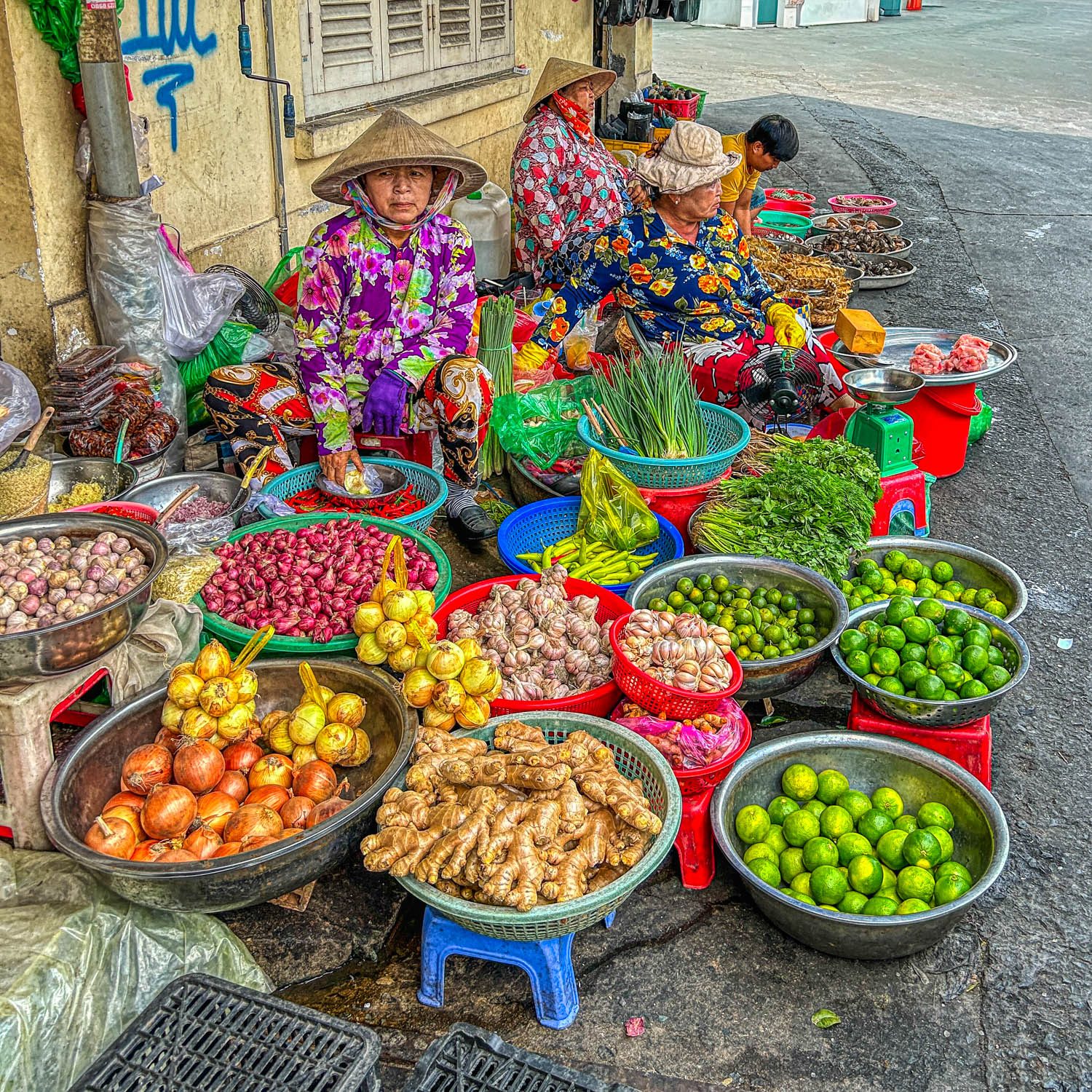
Smog sunsetStreet vendorsIf it looks like some of these bikes are going in the wrong direction, it's because they are. They are also ignoring the red light and the pedestrian crossing.
I visited a couple of museums, both housed in poorly preserved old palaces. The Ho Chi Minh City Museum is quite limited, just a decrepit 19th-century palace with a few old objects on display (clothes, musical instruments, a crumbling typewriter, etc). Very disappointing. The Ho Chi Minh City Museum of Fine Arts is much better. The building needs restoration, but we can still see the architect's artistry. It was originally constructed between 1929 and 1934 as a private residence for one of Saigon's wealthiest merchants, Hua Bon Hoa, a successful Chinese-Vietnamese businessman and real-estate magnate during the French colonial period. The design blends European architectural forms with traditional Asian influences. There are some interesting paintings on display, mostly contemporary. My favorite were the works of Lê Bá Đảng, a Vietnamese painter and sculptor who spent most of his career in France.
Ho Chi Minh City Museum of Fine Arts
The other tourist attractions I visited were the Book Street (a short street full of bookstores and closed to traffic), the Saigon Central Post Office (once an interesting building, now a tourist trap full of peddlers selling trinkets and baubles), the Independence Palace (former home and office of the president of South Vietnam, now a place for state events), and the Notre-Dame Cathedral Basilica of Saigon (which we can barely see because it's currently being renovated and mostly covered by tarps). And I went to the Saigon Zoo, of course, to visit my neighbors.
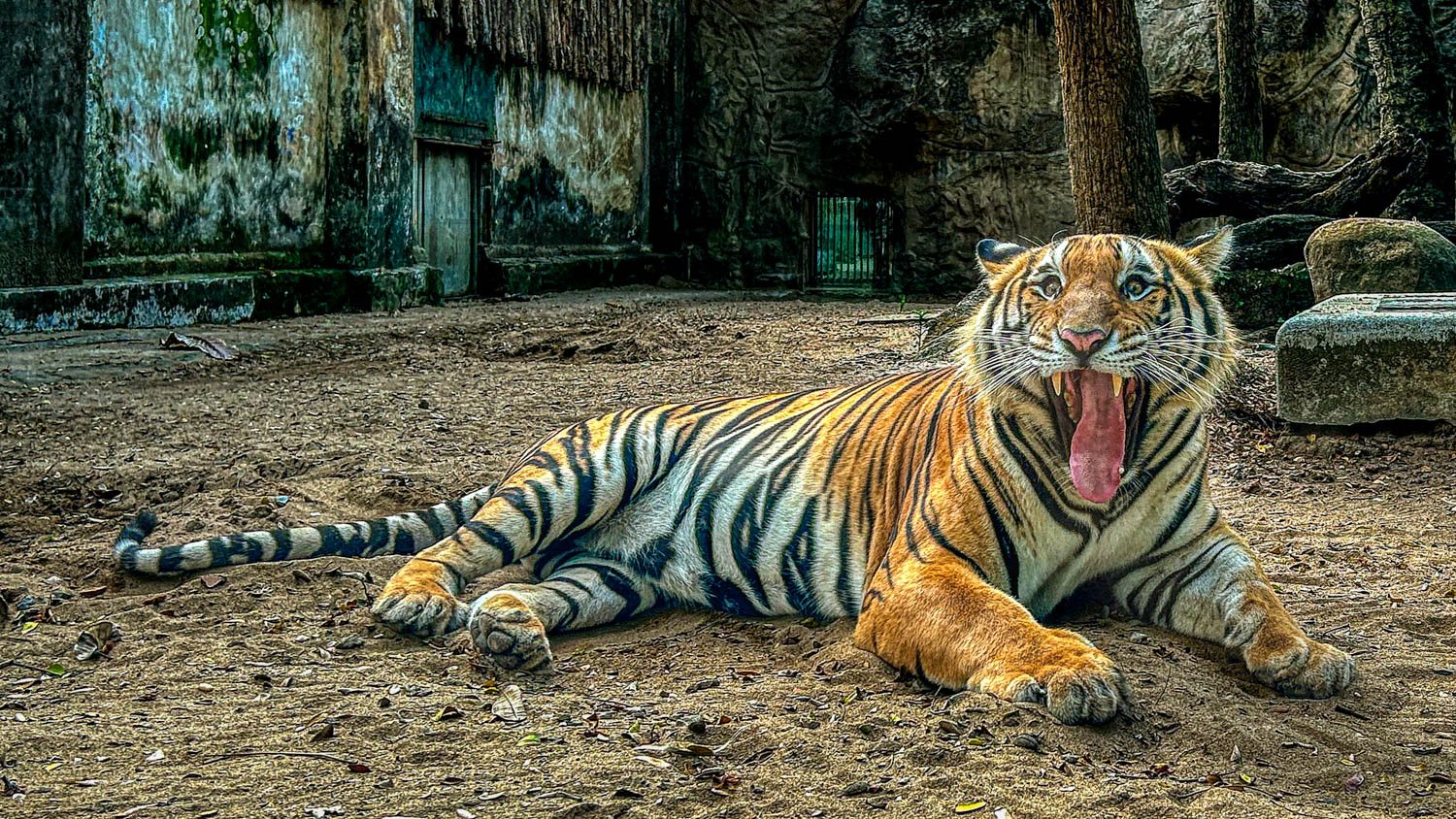
Bengal tiger
I also went to the Saigon Opera House, built in 1900, to watch the Vietnamese Bamboo Circus. It was a mix of live music, dancing, acrobatics, and juggling. Imagine something like Cirque du Soleil, but with traditional Vietnamese aesthetics and bamboo props. Pretty entertaining.
Vietnamese Bamboo Circus
And the food?
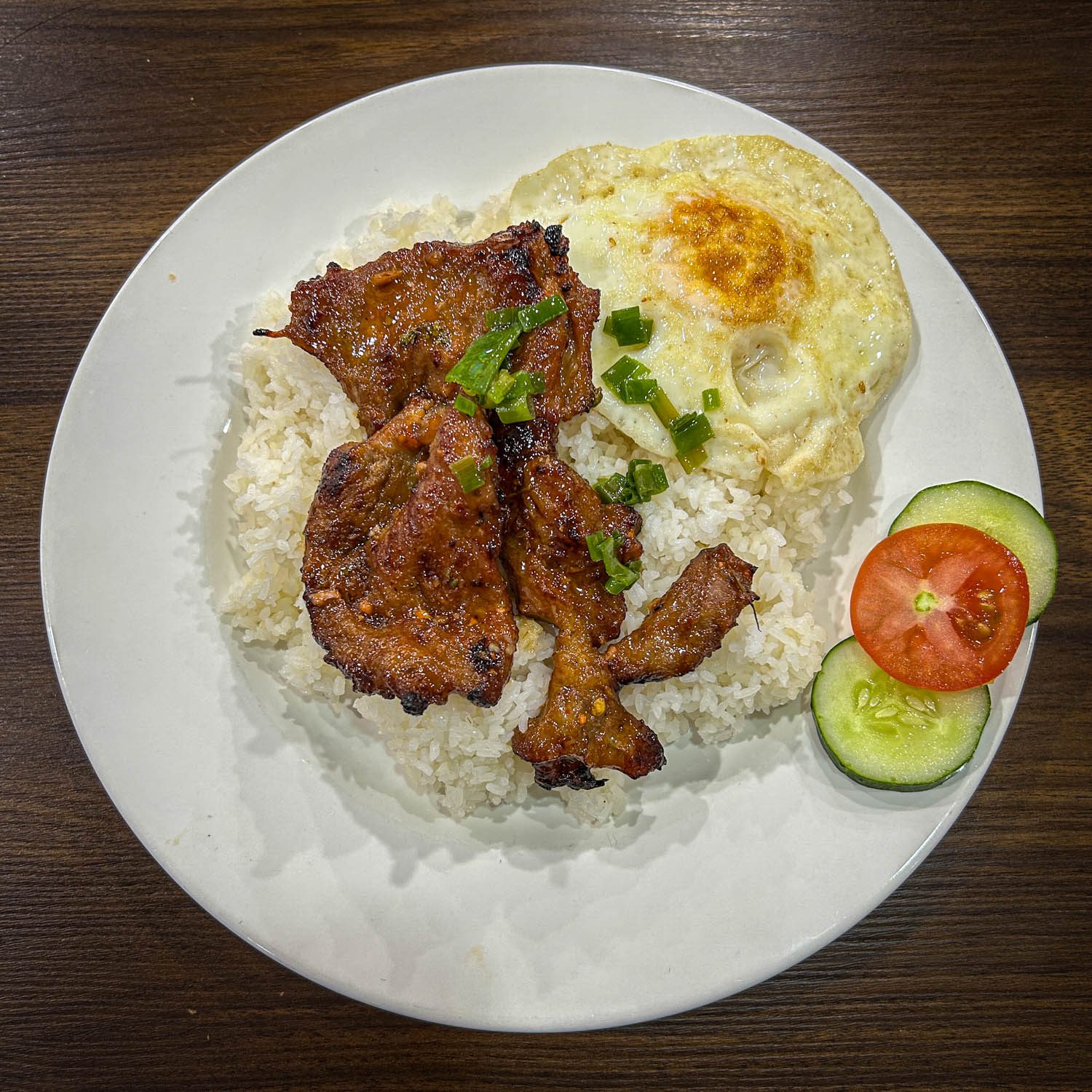
One of the most popular dishes here is the com tam (literally, broken rice). It tastes the same as unbroken rice, but cooks faster and absorbs other flavours quicker. They usually serve the rice with grilled pork and a fried egg.
The other dish you find everywhere is pho, a soup made with rice noodles and beef (pho bo) or chicken (pho ga). For me, the best pho is when they add lots and lots of cilantro, which is a common ingredient.
Then there is the banh mi, a sandwich made with a Vietnamese short baguette (thin crust and white crumb, but not as good as a French baguette) and filled with meat (pork, beef, or chicken), carrot, daikon, and a mildly spicy sauce.
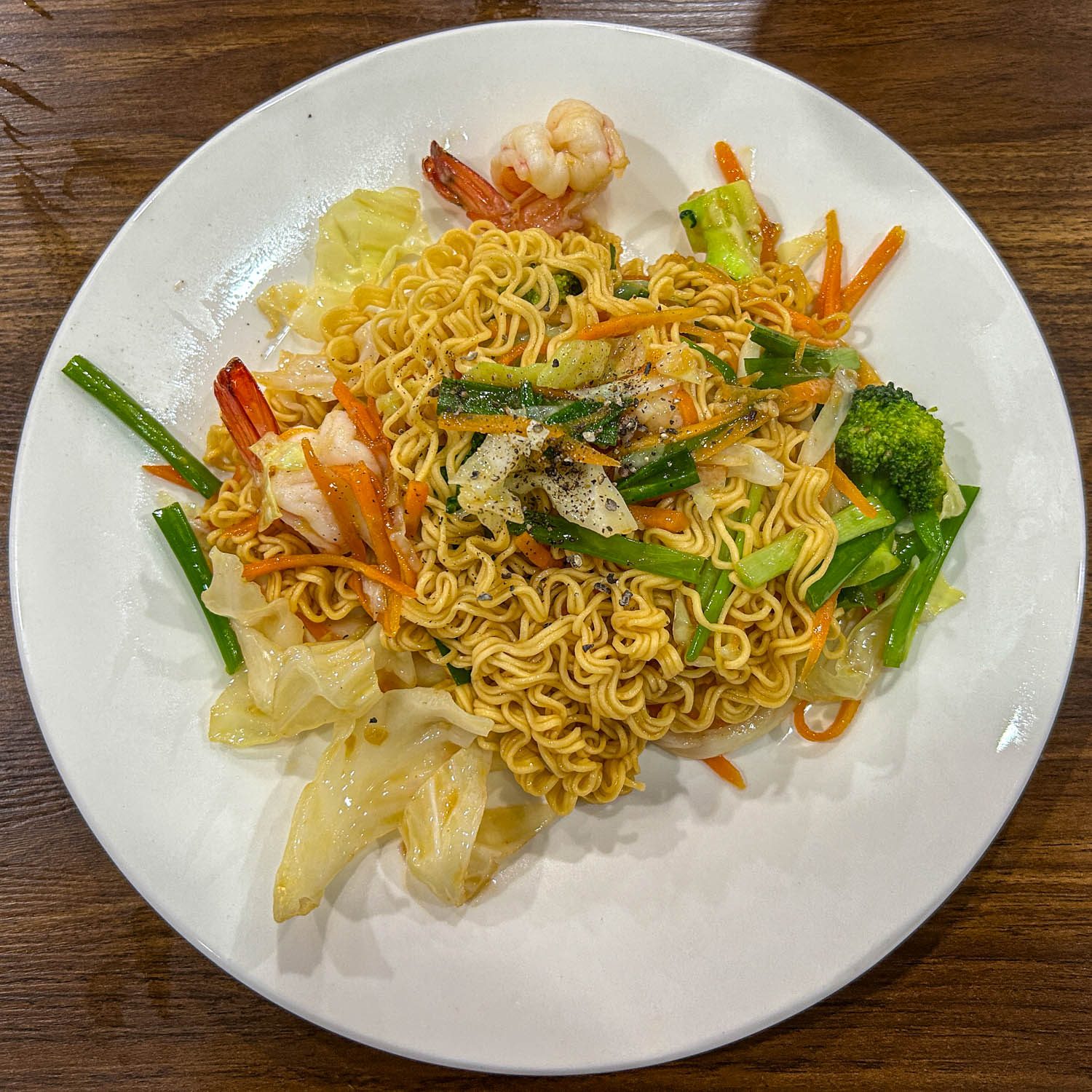
Other Vietnamese dishes I ate here were bo luc lac (stir-fried beef with bell peppers and tomatoes), mi xao tom (shrimp stir-fried noodles), com chien hai san (seafood fried rice), com bo xao hanh tay (rice with stir-fried beef and onions), and banh xeo (crepes filled with beef and bamboo sprouts).
All that was accompanied by fruit juices (watermelon, mango, guava) and sometimes coconut water. I also found sugarcane juice here, which I really enjoy. (The only other places where I've ever seen sugarcane juice, other than Brazil, were Bangkok and Honolulu).
I wasn't very excited about the Vietnamese cuisine, in part because they don't seem to put much care into the preparation. The ingredients are there, tossed together, and that's it. No art, no skill, no finesse.
And after Ho Chi Minh City?
My original plan was to stay in the city for a much longer time, but Ho Chi Minh City, with its hordes of bikers and its coat of smog, is not good for my mental health. So I packed my things and moved to a totally different environment, an isolated beach resort in Mũi Né, 200 km east of Ho Chi Minh City. But that's a story for another time.
Typical side street in Ho Chi Minh City: too many flags, not enough sidewalk.