This is my first time in Hawaii, my first time in Polynesia, and my first time in Oceania. Now I have been to five of the six inhabited continents (the only one missing is Africa).
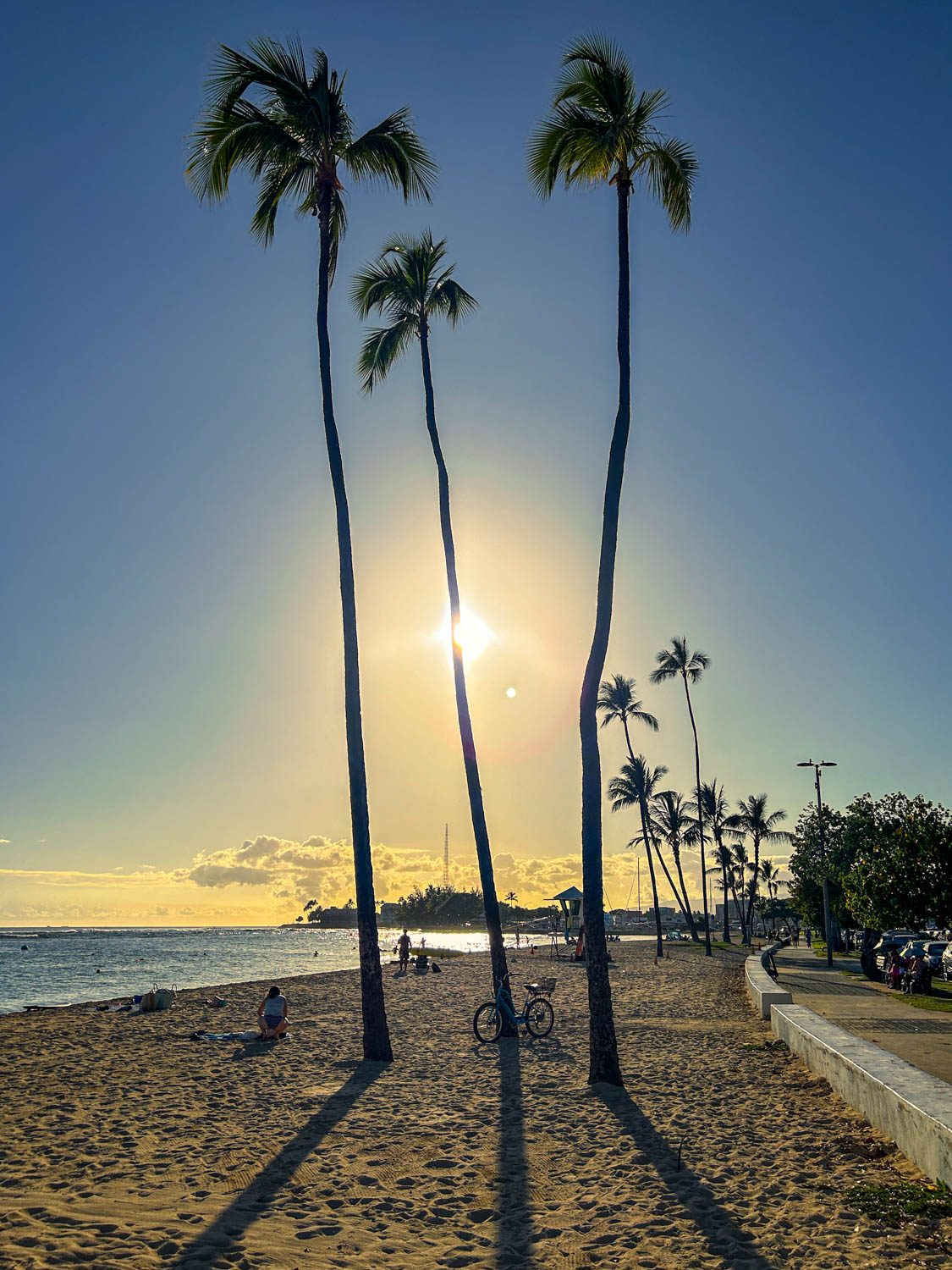
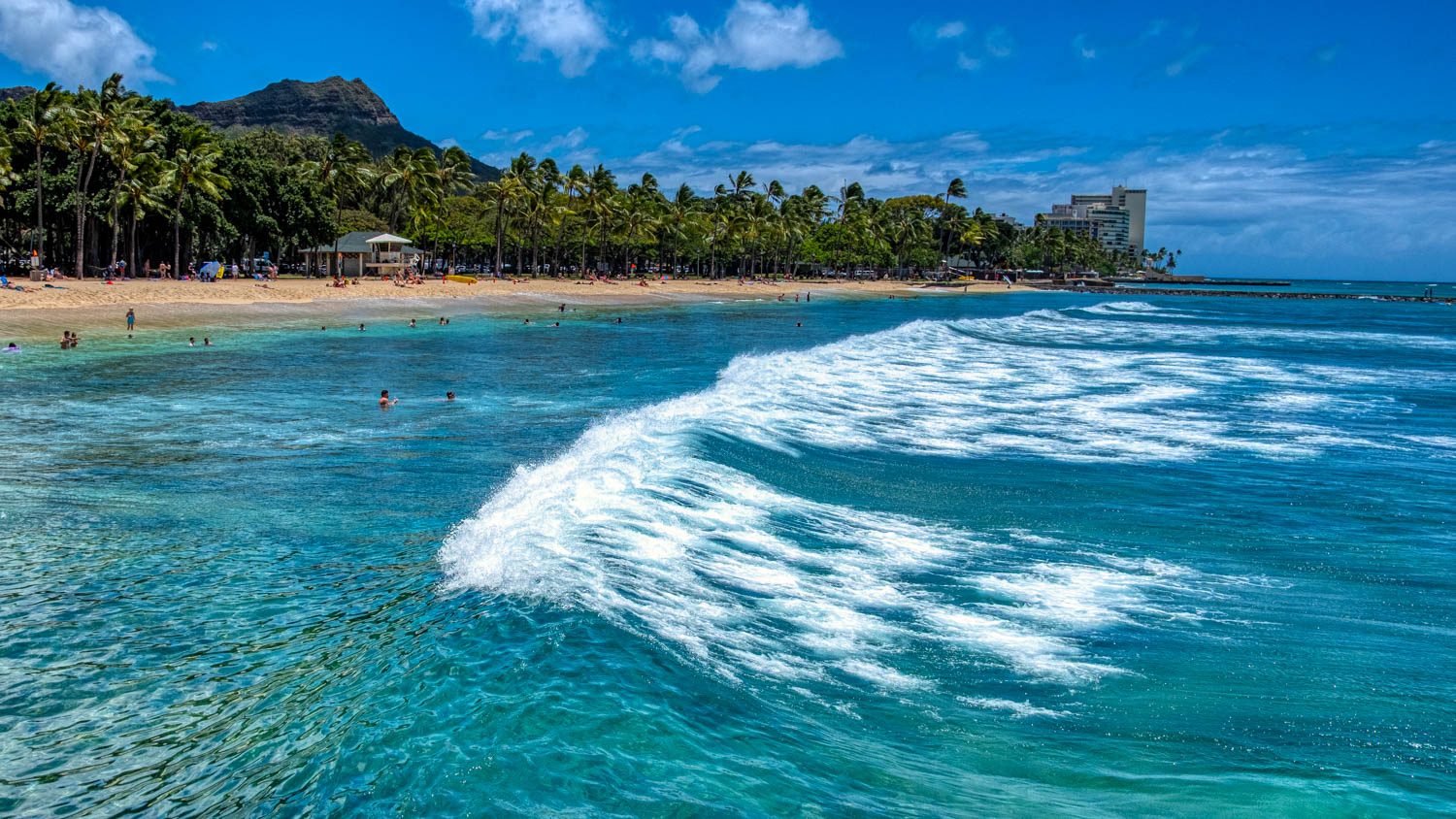
My apartment in Honolulu is in the neighborhood called Ala Moana, which means "path to the sea" in Hawaiian. Indeed I am just two blocks from the beach, and I can also see it from my 33rd-floor window.
The next neighborhood to the West is Kaka'ako (the name comes from all the thatching activity that used to happen in that area), with many business buildings and a few good restaurants. For me, the best feature there is the abundance of street art. The next neighborhood to the East is Waikiki (the name means "spouting fresh water"), probably the most famous beach on the island. It's full of hotels, fancy commerce, and tourists. In my mind, though, Ala Moana always comes first, because it was the coolest brand of shirts you could get when I was a teenager.
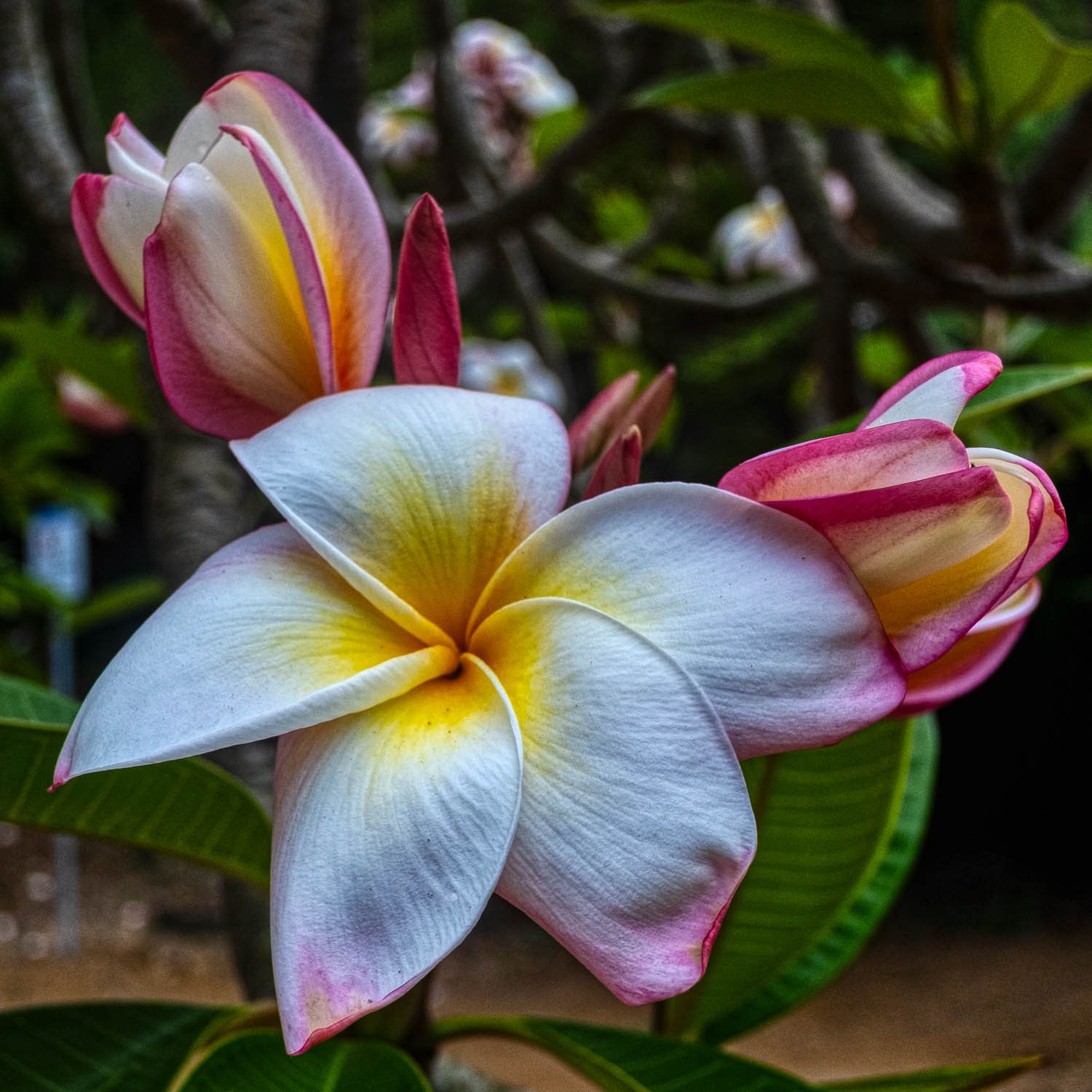
There are lots of birds here. Larks, finches, sparrows, egrets, gulls, ducks, and a bunch of others I don't know the name. My favorite is the red-crested cardinal, with its proud red topknot, originally from southern Brazil. But it's also amusing to see wild chickens roaming around the parks. I had never seen free chickens in a large town. Apparently, they are descendants of the domesticated chickens brought to the island, and every time there is a hurricane chicken coops are destroyed, and more chickens are liberated to join the FCA (Free Chicken Army). There are also some interesting trees in Honolulu, like the banyan trees (there's one in Waikiki that is 75 feet high and 150 feet across) and the fat baobab trees (they are from Africa, but I counted more than ten at the Ala Moana Beach Park). And at this time of the year there are flowers everywhere, especially the omnipresent melia (the Hawaiian name for the plumeria).
My morning routine is walking to the East point of the beach, getting into the water, swimming a bit and floating a bit all the way to the West point (that's about 1 km), and then walking back on the sand. One calm Wednesday morning, I was placidly floating in the sea when I noticed I had a companion. Right by my side, there was a large green sea turtle (Chelonia mydas), about the size of my chest, watching me with the nonchalance of a Zen monk. After a few minutes of silent communion, my aquatic friend disappeared into the water.
Only beaches and parks, no museums?
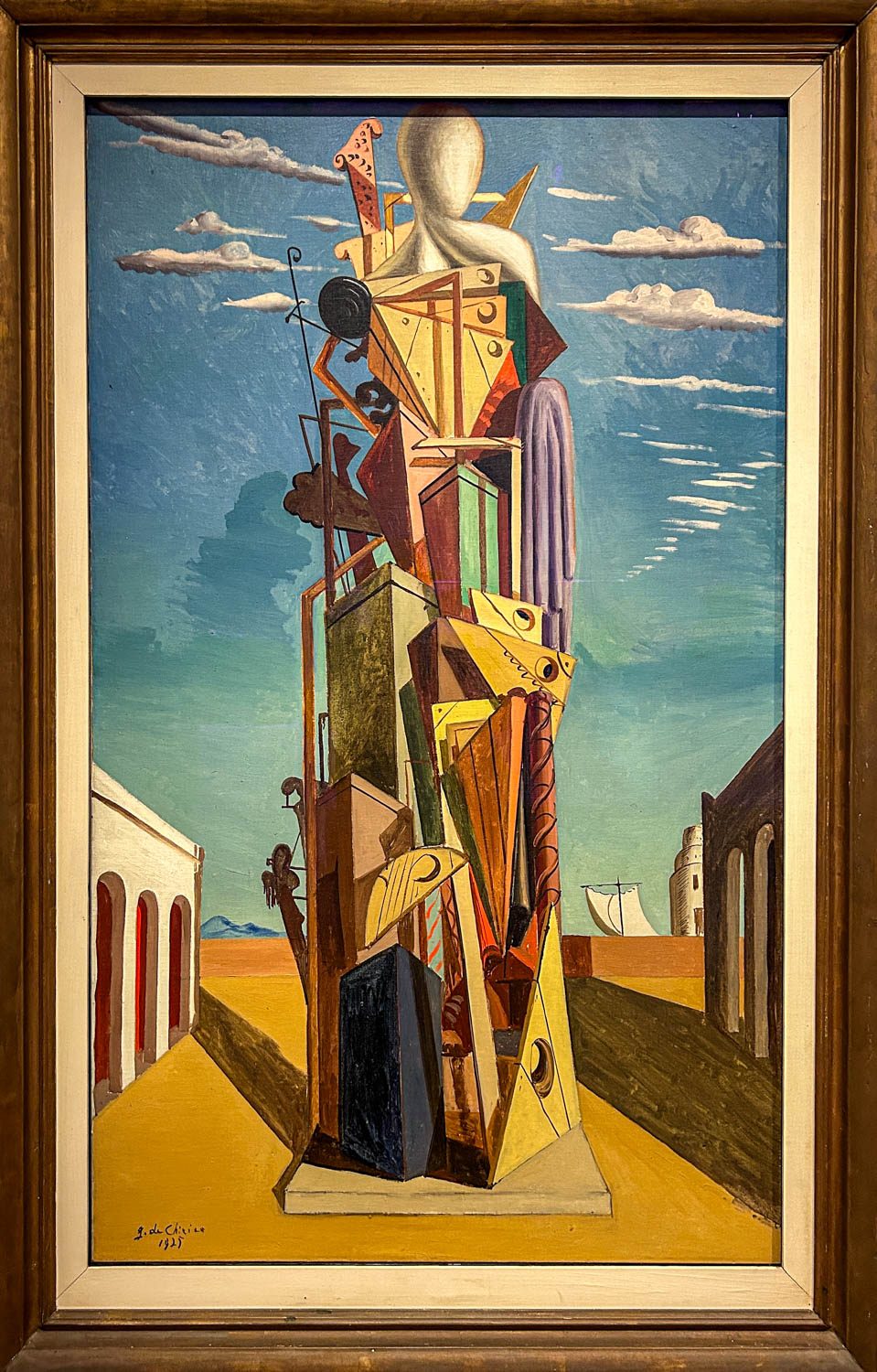
Yes, of course, I found a few museums. The Honolulu Museum of Art is the one I liked the most. It has arts and crafts from Hawaii, Japan, China, and Korea, plus a surprising collection of Western art. I was glad to see works by Cézanne, Monet, van Gogh, Gauguin, Matisse, Modigliani, Calder, Tanguy, O'Keeffe, and many others. I really liked Giorgio de Chirico's The Great Machine.
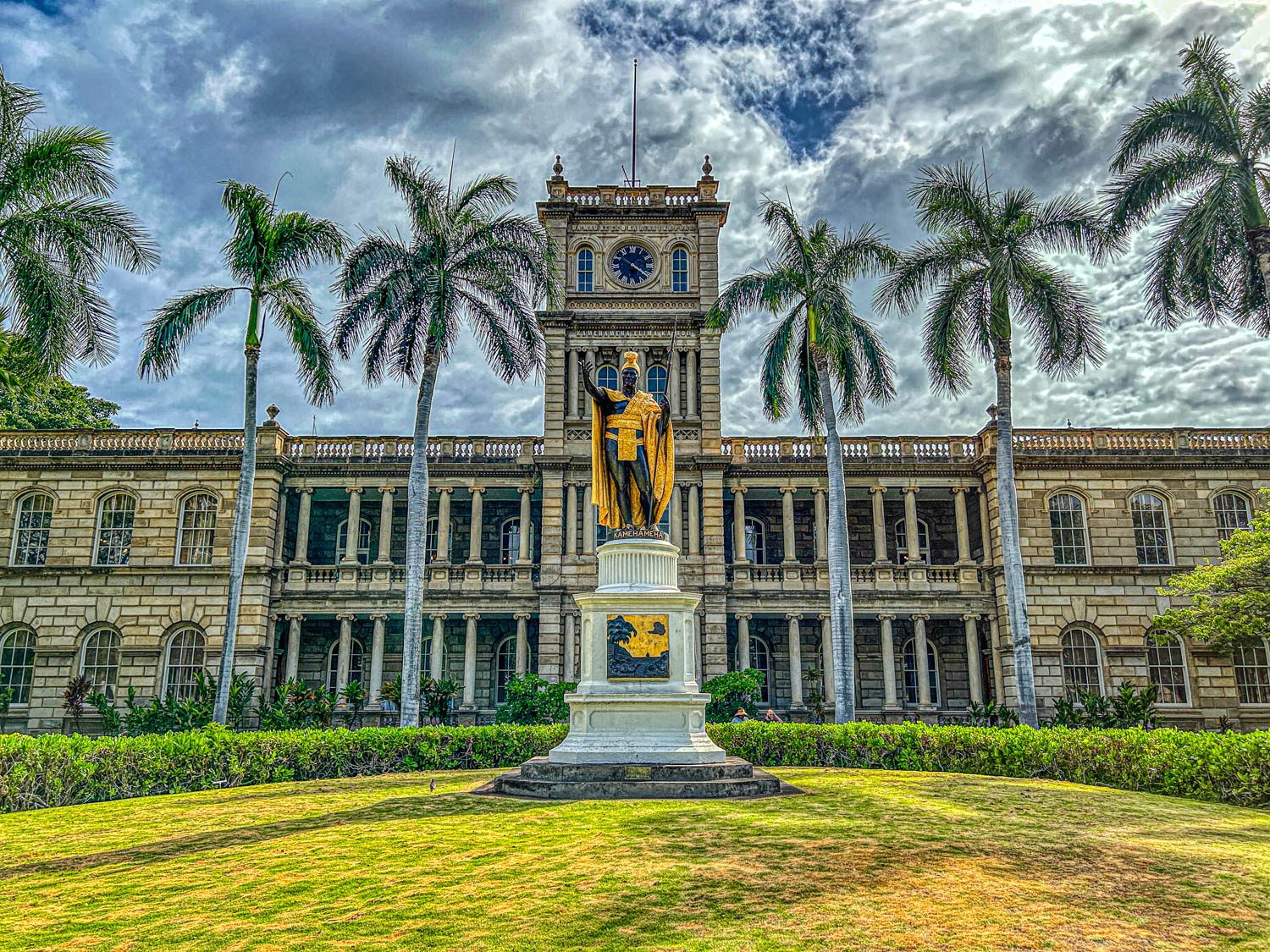
The Bishop Museum displays objects from Hawaiian history and artifacts from Polynesian cultures. There is also a wing for natural history specimens. The Capital Modern Museum is a collection of contemporary Hawaiian art housed on the second floor of the Capitol District Building, which was originally Hawaii's first hotel, aptly named The Hawaiian Hotel, opened in 1872.
Hawaii on the television
Since I was in Honolulu, I decided to watch the first episodes of two emblematic shows filmed here: Hawaii 5-O (the original series from 1968) and Magnum, P.I. (the original series from 1980). The island has changed much since then, but plenty of recognizable locations remain. It's fun to see Steve McGarrett (Jack Lord) or Thomas Magnum (Tom Selleck) walk by a place I had just been the week before. I also visited the secluded beach where Burt Lancaster and Deborah Kerr rolled together on the sand like two human croquettes in From Here to Eternity (1953).

Since croquettes were mentioned, what about the food?
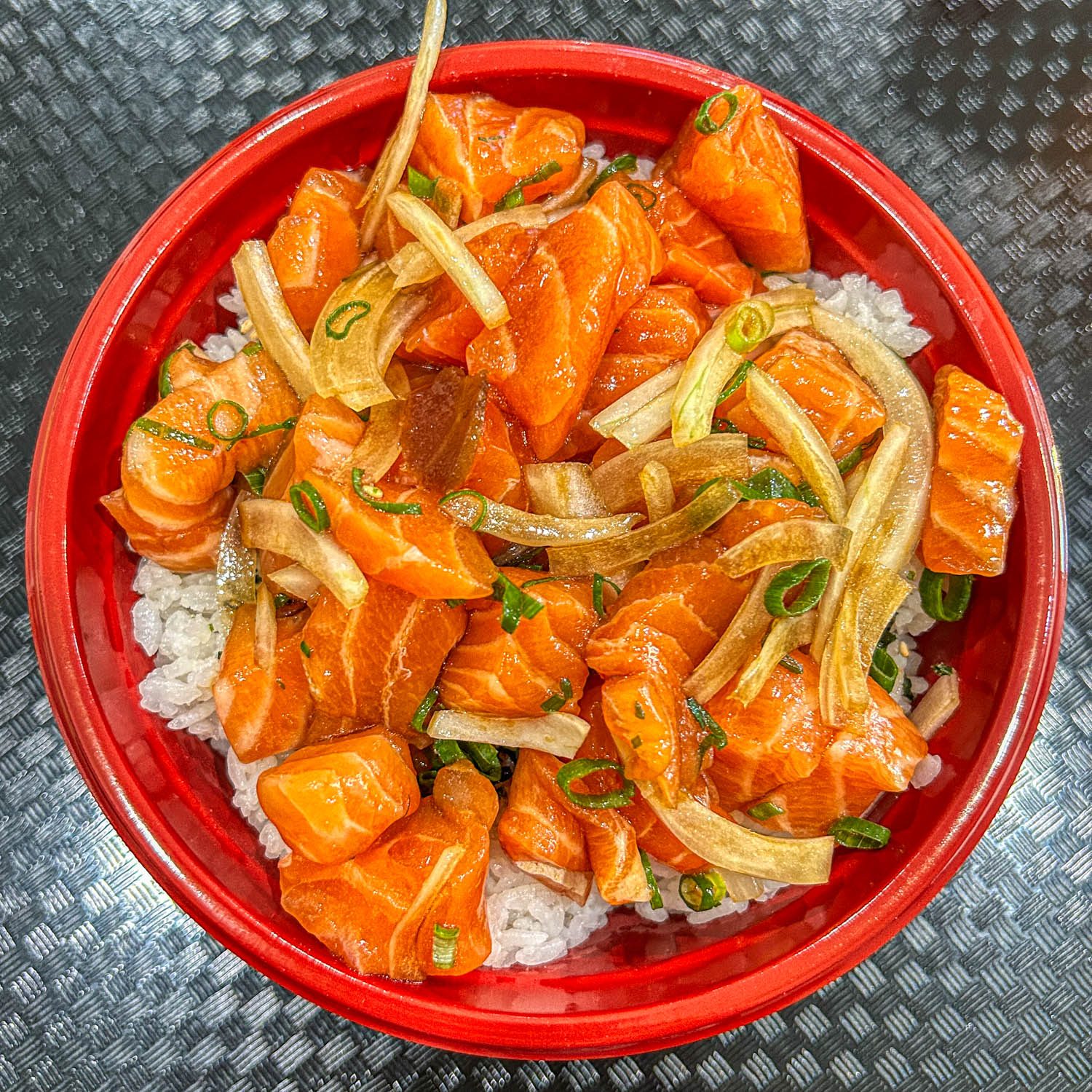
What I ate the most here was poké, which is diced raw fish (usually tuna, salmon, or marlin) served in a bowl with rice, vegetables, and sauce. Very good.
Another traditional dish is the Kālua pig: pulled pork, cooked in an underground oven. I like pork that is roasted and crispy, and this one looks almost like it has been boiled, so not really for my taste.
Loco moco is a hamburger steak served over rice and covered with gravy and a fried egg. Not recommended if you have cholesterol problems.
And there's also the malasada, brought from the Azores in the 19th century by Portuguese immigrants and now the most popular pastry in Hawaii. It's in the same family as the beignets from New Orleans, the sonhos from Sāo Paulo, and the berliner ballens from Berlin.

We have to talk about Mai Tais
Although not invented here (it came from California), the Mai Tai became the flagship drink of Hawaii. The classic version is made with light rum, dark rum, orange curaçao, almond syrup, and lime juice. Here, they make the very best Mai Tais I have ever had, with many variations. One in particular may have spoiled my taste forever, as I will never find a more delicious Mai Tai elsewhere. It's the Monkeypod Mai Tai made at the Monkeypod Kitchen: Old Lahaina Light Rum, Old Lahaina Dark Rum, macadamia-nut syrup, Marie Brizard Orange Curaçao, and fresh lime juice. On top of that, they add a foam made of honey, egg whites, and liliko'i purée (liliko'i is the Hawaiian name for passion fruit). Delightful.

And after Hawaii?
I will be living in Japan for the next three months. But that's a story for another time. Sayonara!