039December 2025 · Oceania

Two months in New Zealand, part one: Wellington

Two months in New Zealand, part one: Wellington
Wellington

New Zealand is possibly the most isolated country in the world. Its nearest neighbors (Australia, New Caledonia, Fiji, and Tonga) are about 2,000 km away. And it's approximately 9,500 km to South America, 12,000 km to North America, 12,000 km to Africa, and 18,000 km to Europe.

Wellington is also the southernmost capital city in the world, at 41.29° S. And it is undoubtedly the windiest place I have ever been. Frequent wind, with powerful gusts that can change the course of your walk.

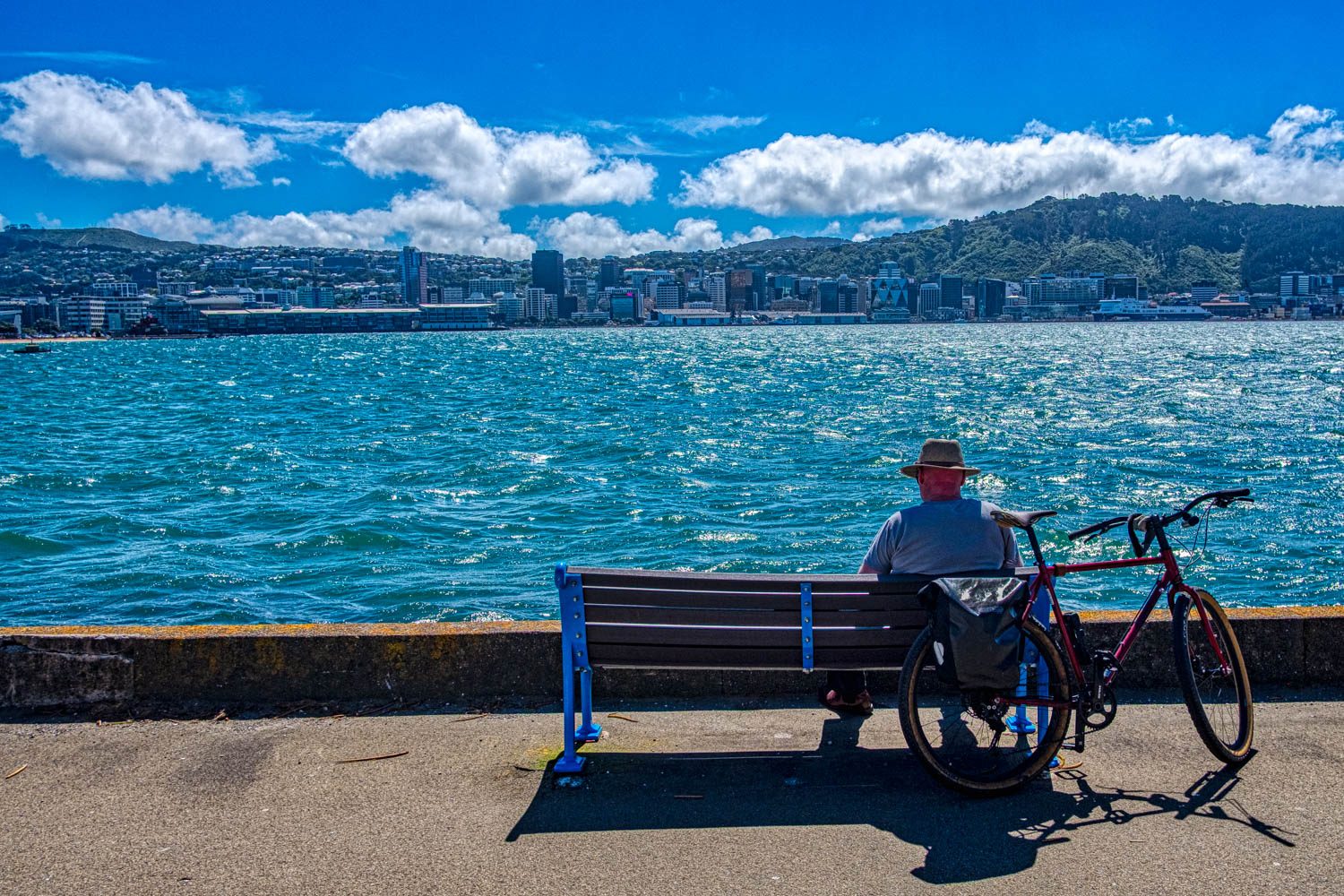
I rented a lovely apartment in Wellington, three blocks from the sea. If I go west, there's the Waterfront Walk, with museums, galleries, theatres, restaurants, sailing boats, and, finally, Lambton Harbour, where the ferries and cargo boats dock. If I go to the east, there's Oriental Bay with its small beaches and rocky coves. None of this is open sea, as Wellington is built on a natural harbour formed by a flooded volcanic crater that connects to the Cook Strait, the water body that separates the North and South Islands of New Zealand.
Oriental Bay
Oriental Bay
Wellington Harbour
Wellington Harbour
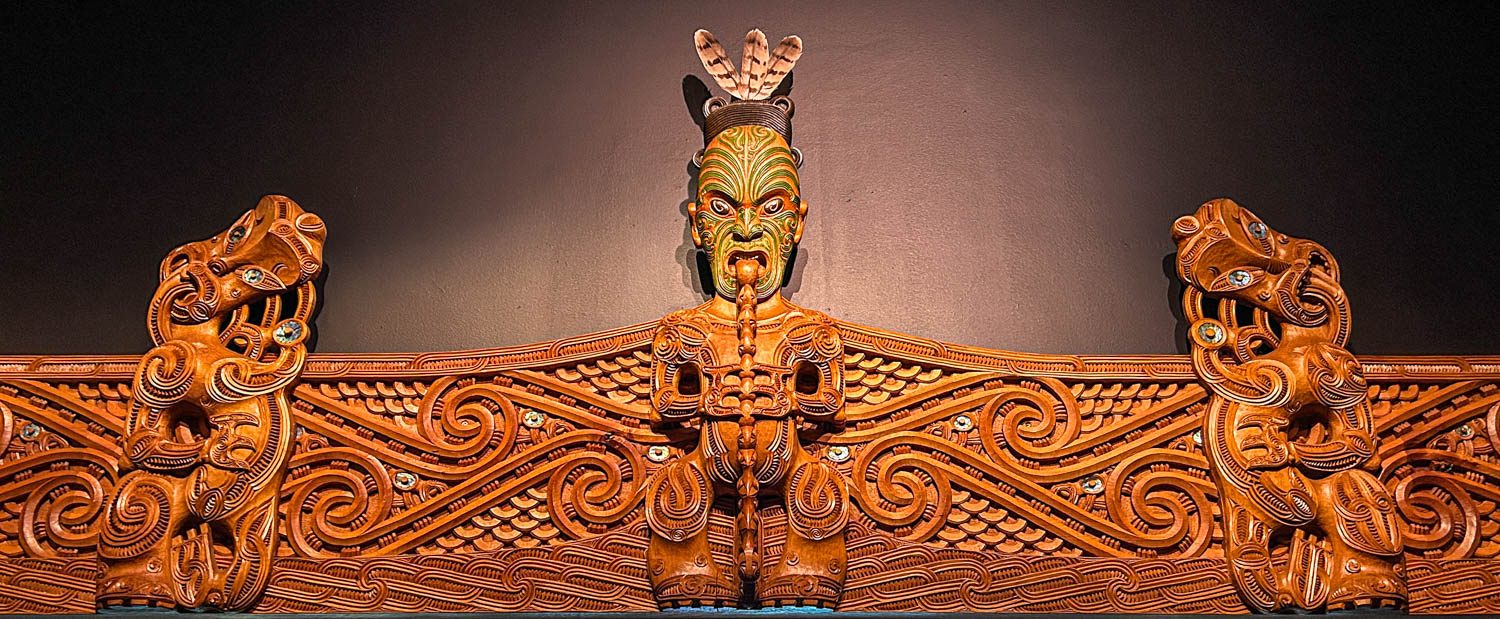
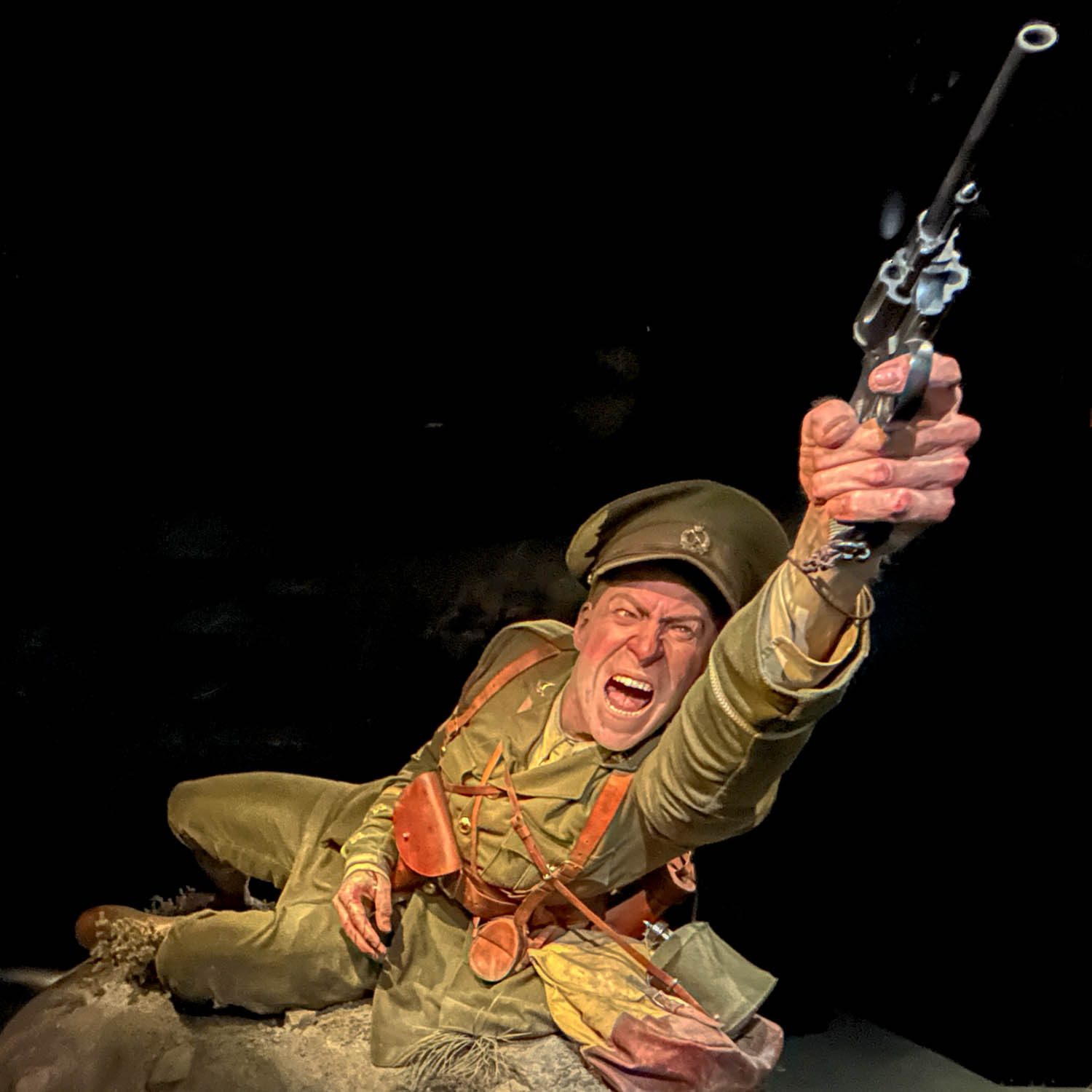
There are not many museums in the city. The Museum of New Zealand Te Papa Tongarewa is by far the best one, with some very interesting exhibitions. Te Taiao (which means "the natural world" in Maori), displays many aspects of the local flora, fauna, and geology, including embalmed specimens of kiwis (the national bird of New Zealand), kakapos (a very fat parrot), and kokakos (a bird so popular that it appears on the fifty dollar bill), as well as a colossal squid (with a a total length of 5.4m, it weighs about 300kg). Gallipoli: The Scale of Our War tells the story of the Gallipoli campaign in World War I and features giant, extremely realistic sculptures by Weta Workshop (the company that created the props and special effects for The Lord of the Rings trilogy). There's a lot more to explore in the museum, in fact there is so much that their ticket is valid for two days.
Maori carving
Maori carving
Gallipoli sculpture
Gallipoli sculpture
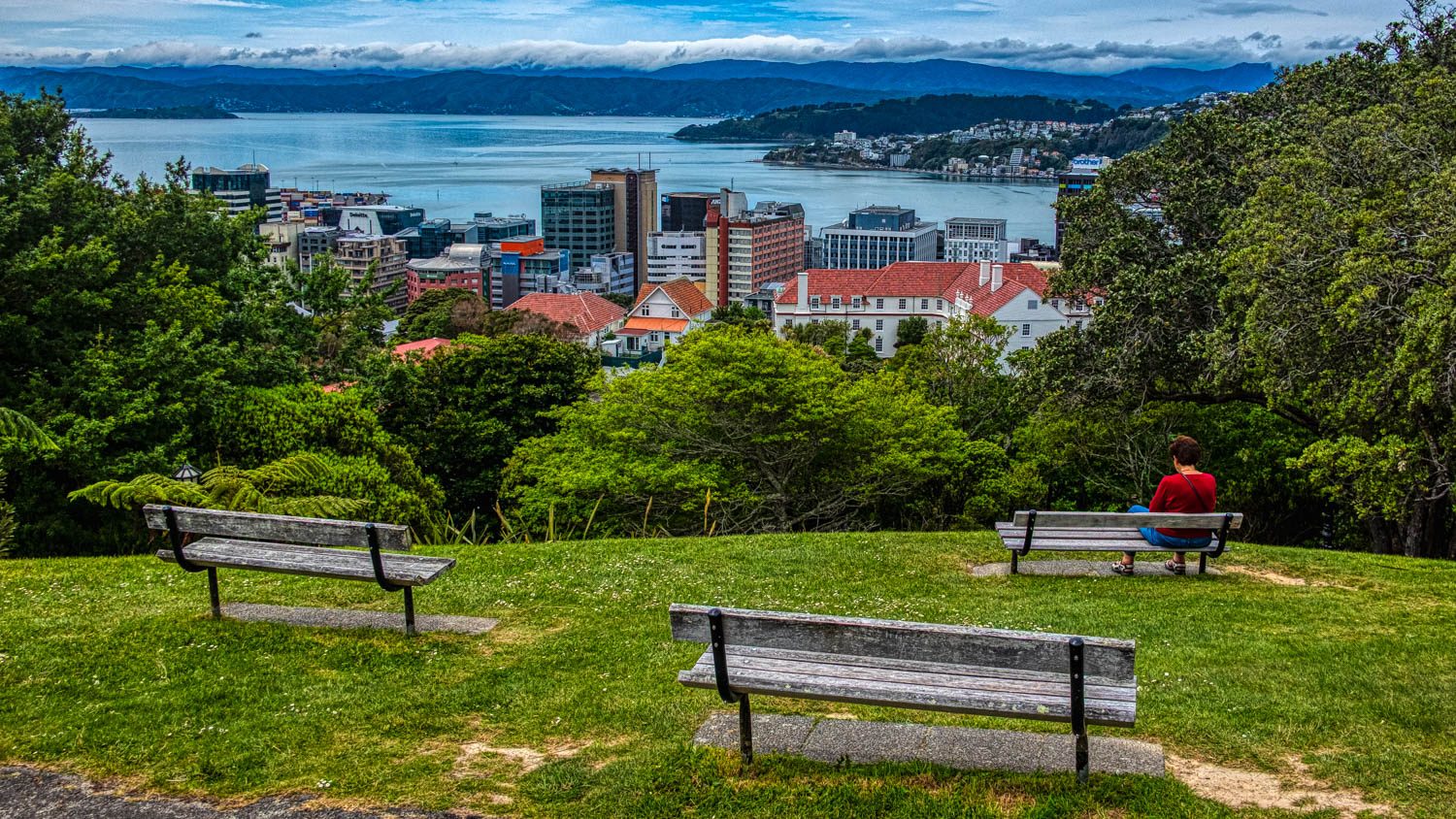
I also visited Wellington Museum (a fun collection of curiosities related to the city, from ship replicas to embalmed lions), The New Zealand Portrait Gallery (they had an exhibition of self-portraits by New Zealand artists), and a couple of art galleries with unremarkable painting exhibitions, as well as the Cable Car Museum. The Wellington Cable Car is a funicular that goes from the central business district to the Wellington Botanic Gardens, 120 meters up, with a good view of the bay.
View from the Botanic Gardens
An even better view of the bay is from the top of Mount Victoria, a 196-metre hill right next to my apartment. I went up there to photograph the city, and also explored the hiking paths looking for filming locations for The Lord of the Rings. The most emblematic scene shot there was when the hobbits hid under a big tree root from a menacing Nazgul.
Hobbits walked here
Hobbits walked here
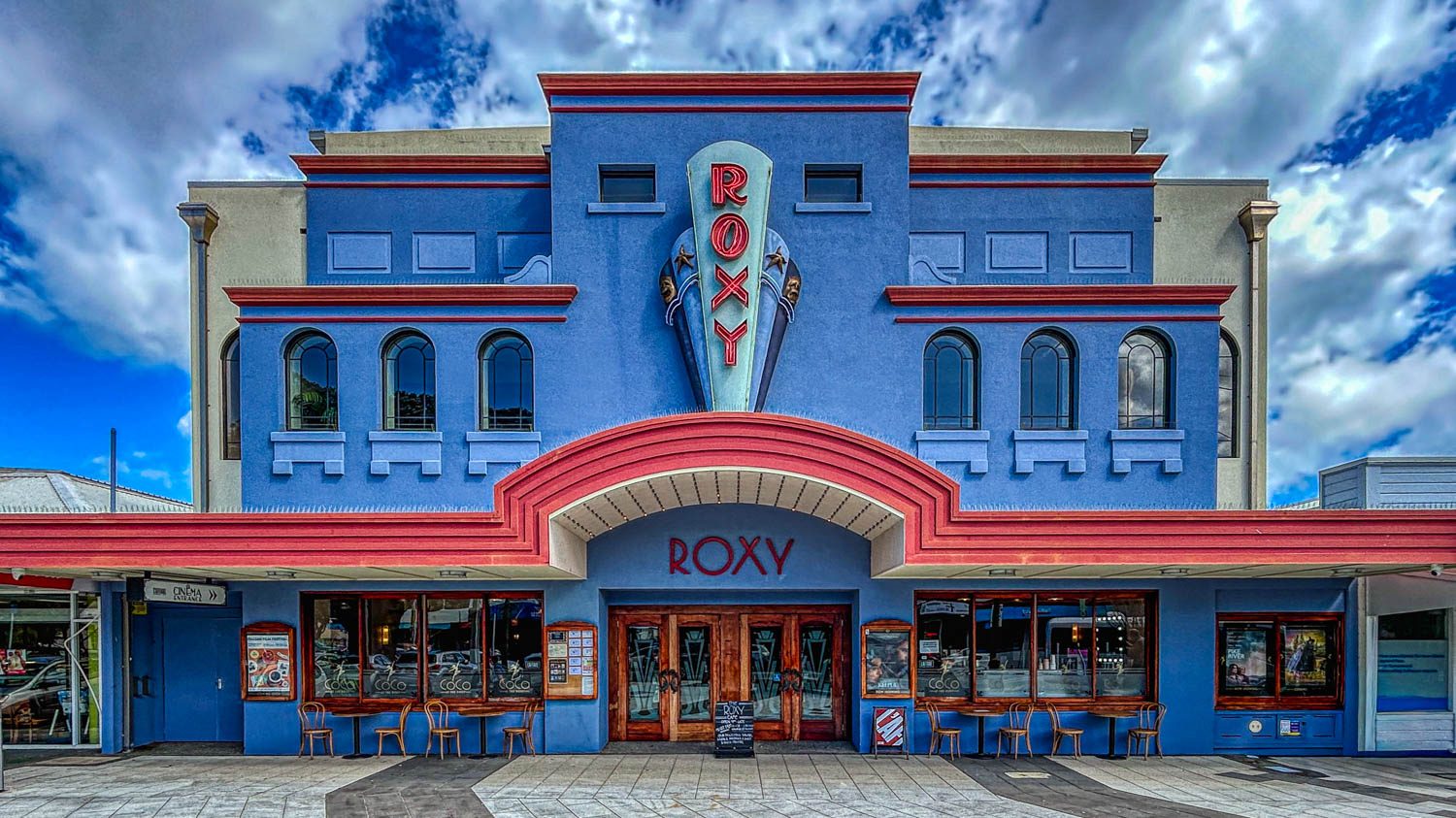
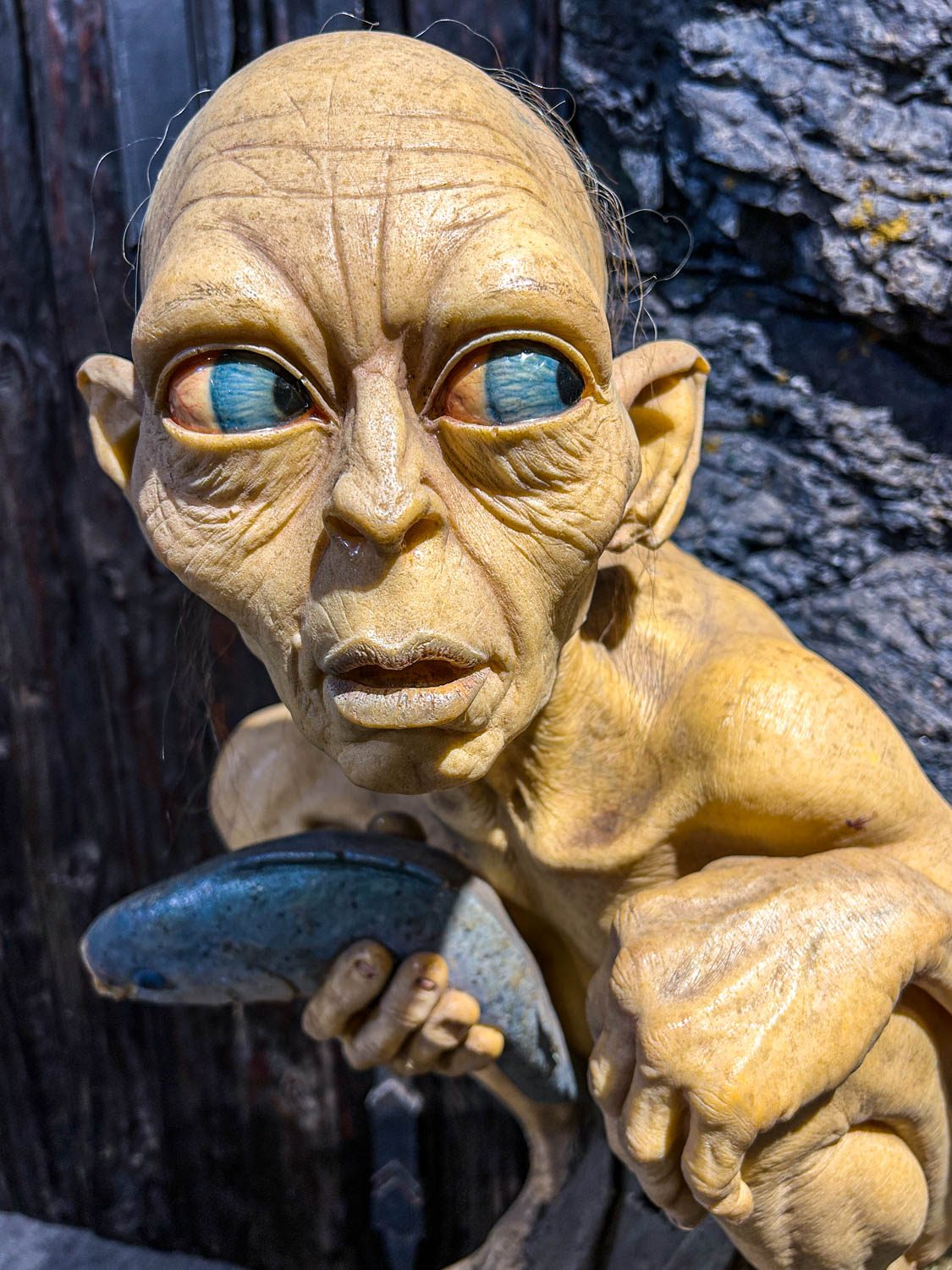
For more hobbit stuff, I went to Miramar, a suburb of Wellington, to take a guided tour of the Weta Workshop (or at least the area where visitors are allowed). Lots of props, outfits, and prosthetics (elf ears, dwarf noses, that kind of thing), not only from the universe of The Lord of the Rings but also several other famous franchises, including Avatar, District 9, Indiana Jones, Power Rangers, and even Thunderbirds. While in Miramar, I also saw the art deco cinema Roxy and the Gandalf statue in front of it.
Roxy
Roxy
Gollum
Gollum

Earthquake!


Yes, on my second night in Wellington, there was a magnitude 4.7 earthquake. Everything shook, but there were no significant consequences. Now I have experienced earthquakes on four continents: Lisbon in the early 1990s, Washington DC in 2011, and Japan and New Zealand this year.

What about the food?


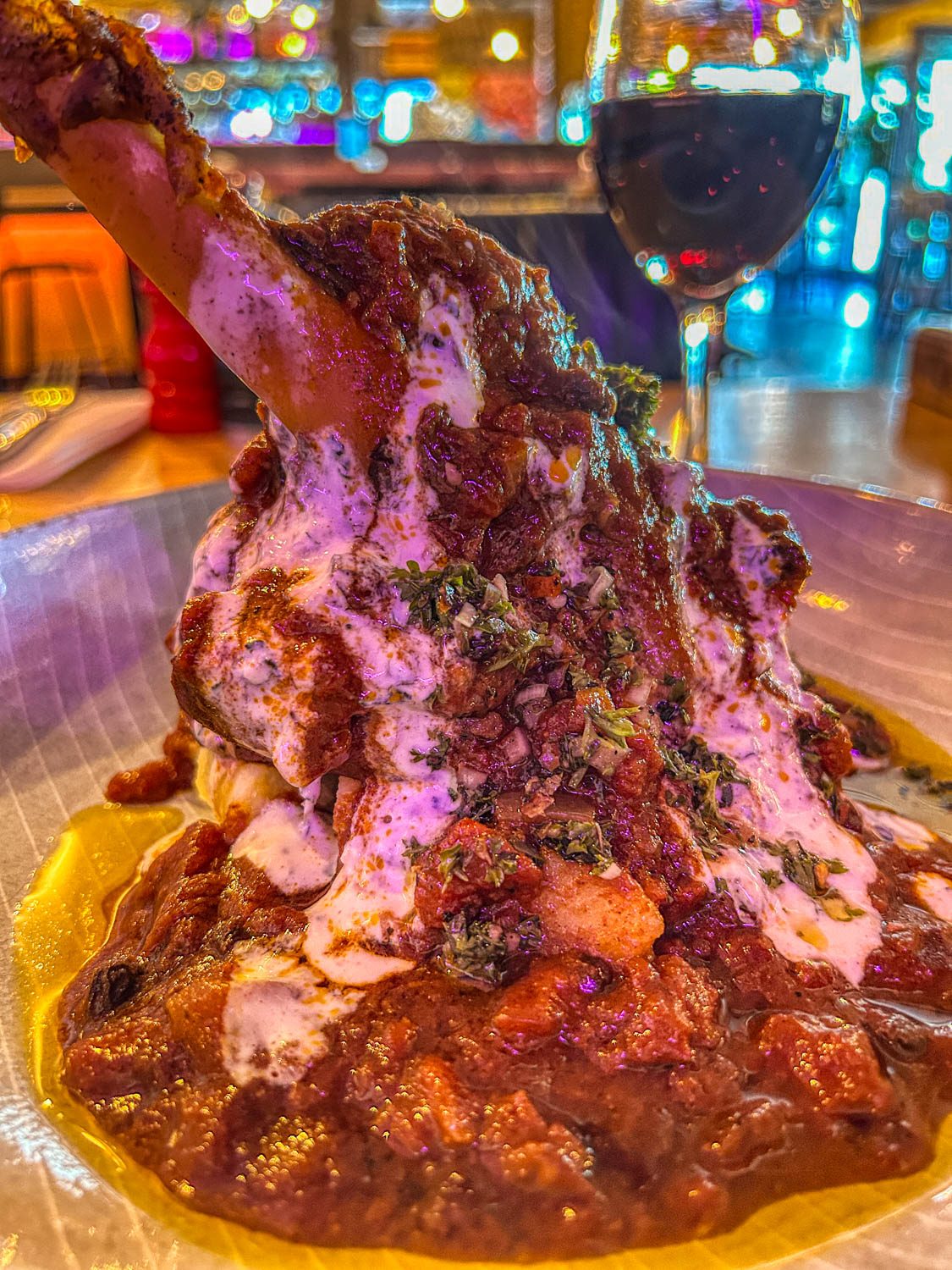
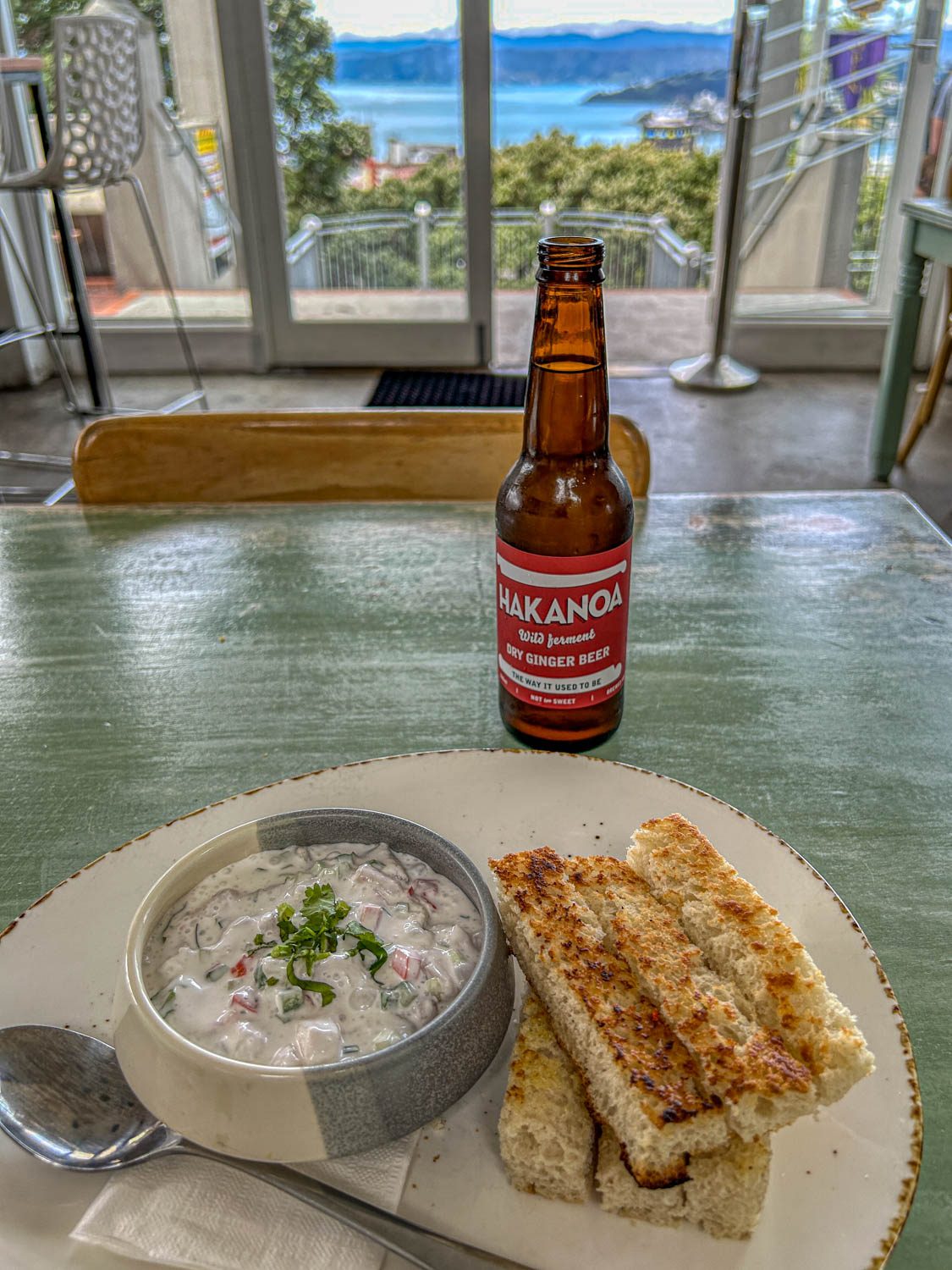
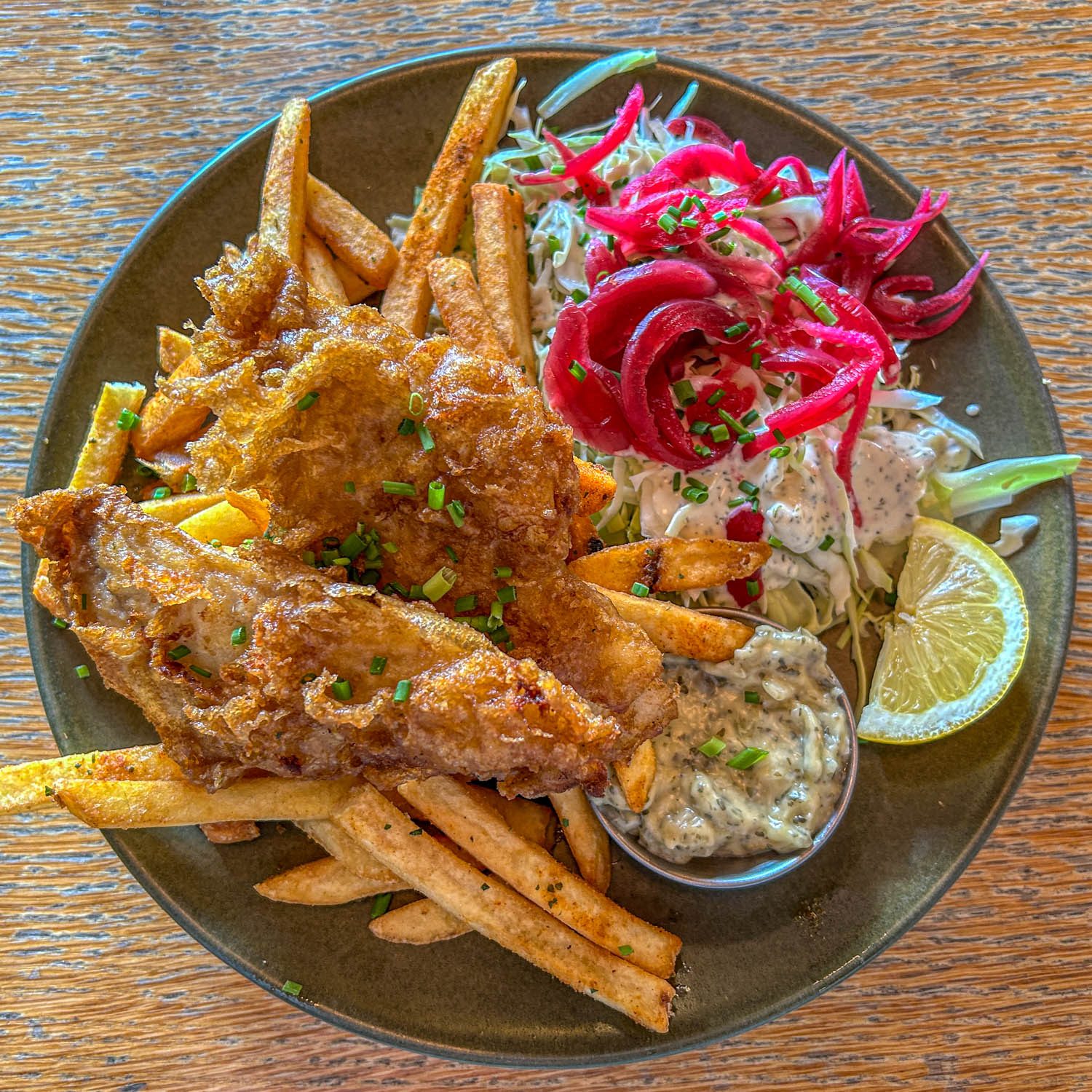
The fish and chips here are much better than in Sydney, possibly because they use kingfish, a large, abundant species in New Zealand. I also ate it grilled and as ika mata, which is raw fish marinated in a combination of citrus juice (lemon or lime) and creamy coconut milk. But the star of the show, by far, is the shank of lamb, baked in the oven until the meat is so tender it falls off the bone. Absolutely delicious.

I also ate beef wellington, just to say that I had beef wellington in Wellington. In fact, there is no strong connection between the two. The city was named after the first Duke of Wellington, the victorious general in the Battle of Waterloo in 1815. The dish is actually a French invention, filet de boeuf en croûte (fillet of beef in pastry), and was rebranded in England, possibly as an insult to the nation that lost the Battle of Waterloo. In any case, it's tasty: filet mignon wrapped in pastry and mushrooms.

And I got to know the golden kiwifruit. I was never very enthusiastic about kiwis (the fruit, not the animal), but this variation (it's a cultivar, developed in New Zealand in the 1990s) is very good. The skin is less fuzzy, and the flesh is yellow, firmer, and sweeter than the original kiwi, with a very subtle peachy flavor.

And, fortunately, although food is expensive here, they have very good wines at affordable prices. I got my share of pinot noir and shiraz, the best coming from Hawke's Bay (northeast of Wellington).

If you like coffee, they have the interesting flat white here: a double espresso with steamed milk. It's not a latte, because it has a lot more coffee in it. It's not a cappuccino, because it doesn't have all that foam on top. It's pretty good.
Newsletter photograph

Any side trips?


I went a little bit to the northeast of Wellington to see more filming locations for The Lord of the Rings. Near a place called Upper Hut, they used the Hutt River (in the Maori language, Te Awa Kairangi) as the mythical Anduin River, which the Fellowship of the Ring traverses in their canoes. Harcourt Park, nearby, was the setting for the gardens of Isengard, Saruman's fortress, but you can barely recognize anything because the production team had to leave the locations in the same condition they found them, so any changes they made for filming were reverted. Same thing at the Kaitoke Regional Park, where they built Rivendell. All the buildings are gone, except the gate through which the Fellowship leaves on their journey to Mordor. But the trees are still there and the park is beautiful, and some of the landscapes are identifiable.
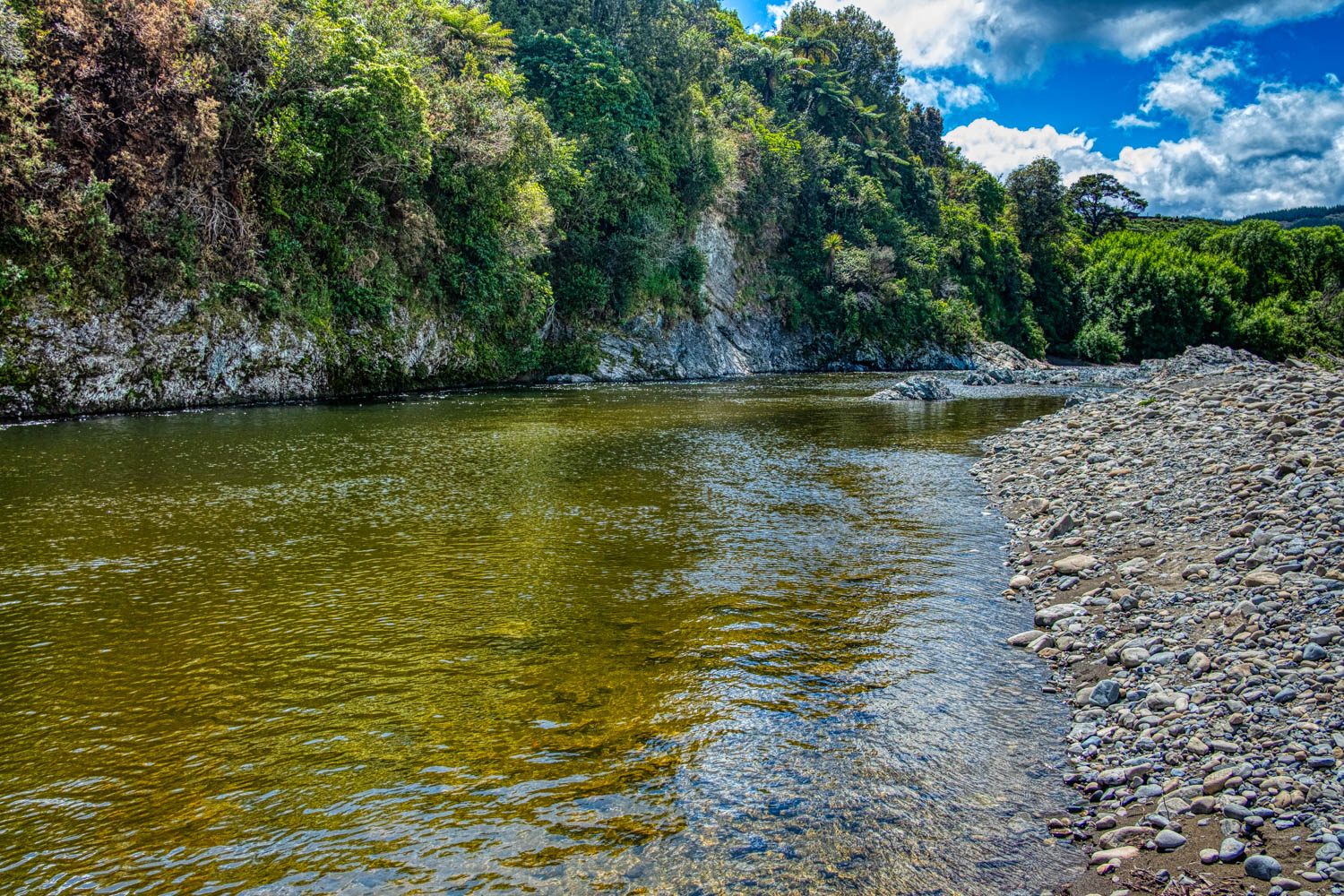
Anduin River
Anduin River
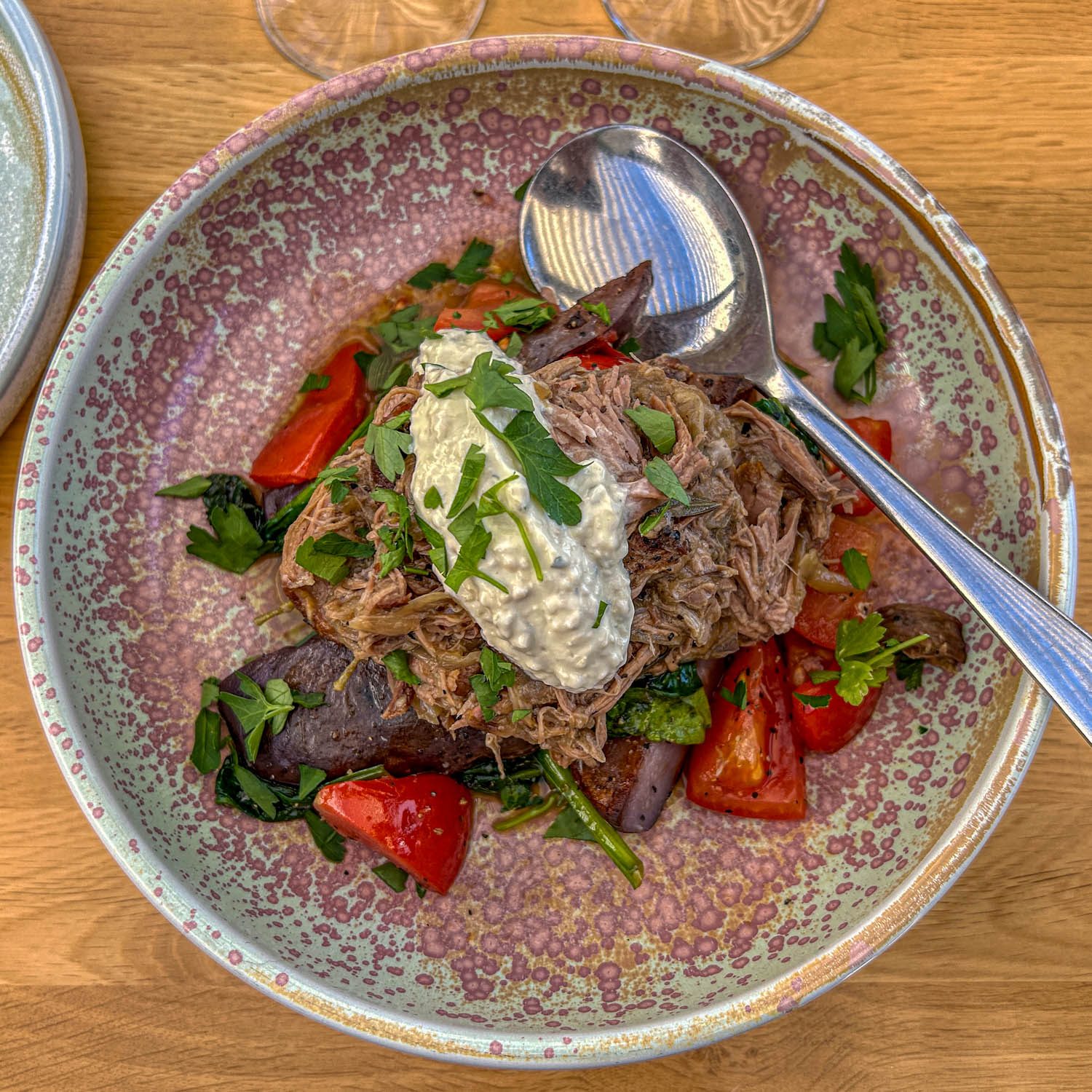
I also went to Martinborough, to the east of Wellington, to visit vineyards and taste some wine. Unfortunately, most of their wines are white (chardonnay, sauvignon blanc, pinot gris) and the few reds (pinot noir) are light-bodied and weak in tannins. Not my kind of wine. At least I had an excellent lunch there: slow-cooked lamb shoulder.
Martinborough vineyard

And after Wellington?


Tomorrow I move to the north of the country to stay in Auckland, New Zealand's largest city. I'll talk about that next time. Kia ora! (That's what they say here when arriving or leaving, it means something like "be healthy".)
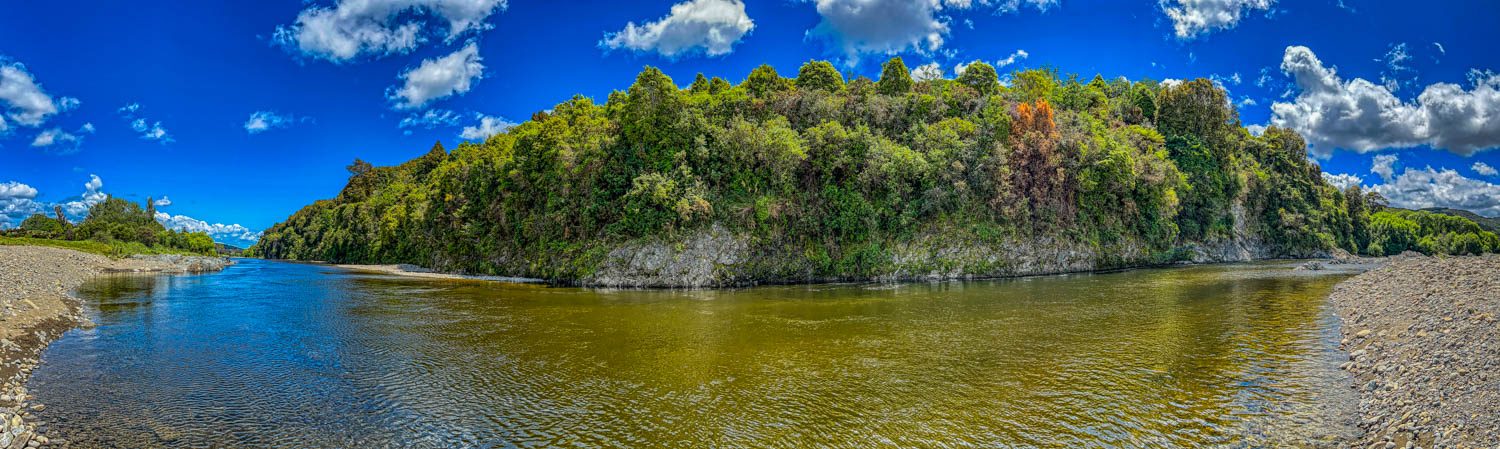
Hobbits crossed this river
↑